


Semicon India 2026: India expands chip production as Semicon 2.0 drives semiconductor growth
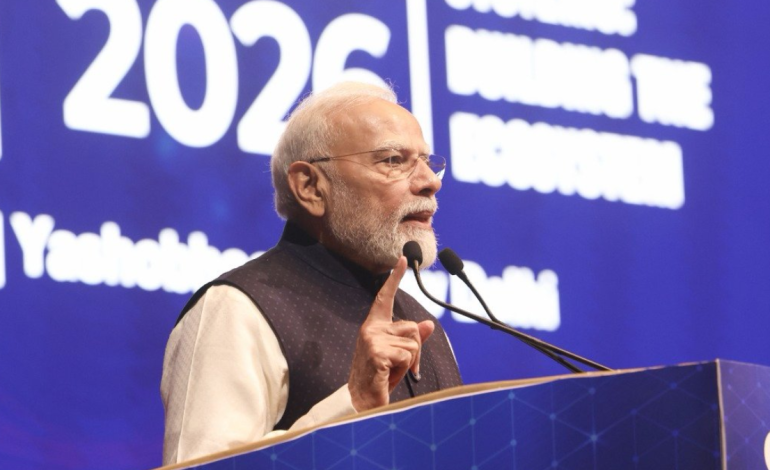
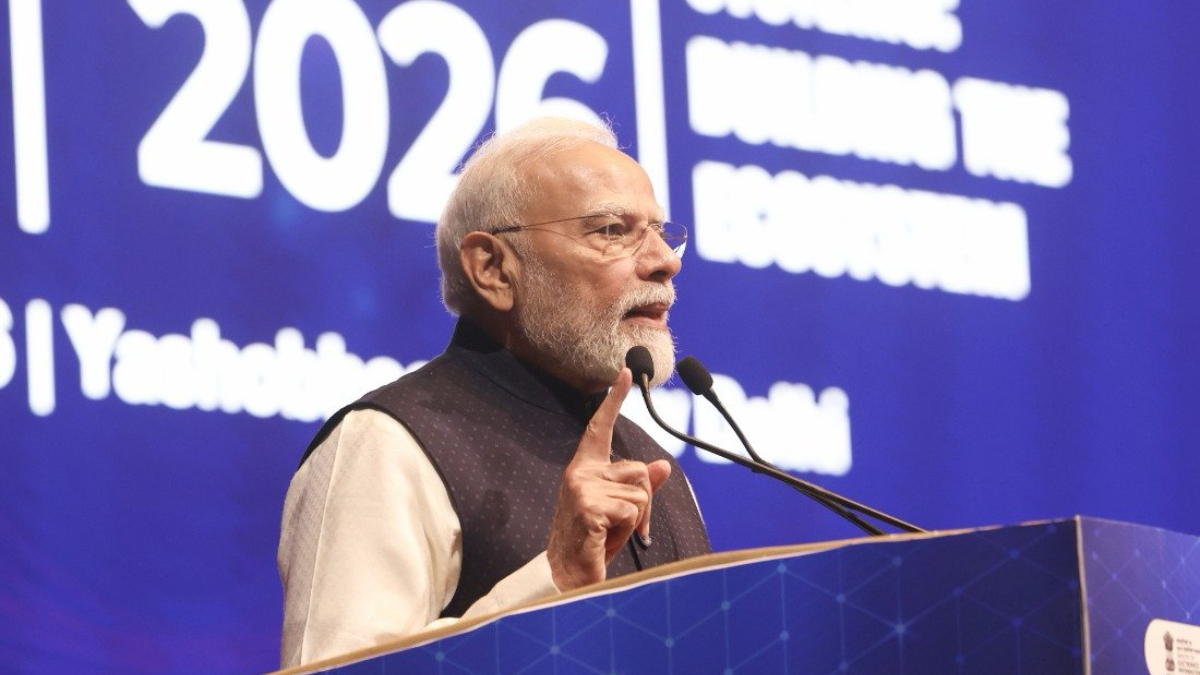
The prime minister, Narendra Modi. (Image courtesy: X/@narendramodi)

New Delhi: India is moving from creating a semiconductor policy framework to putting more chip facilities into commercial operation. The prime minister, Narendra Modi, inaugurated Semicon India 2026 and virtually launched commercial production at CDIL Semiconductor in Mohali and Suchi Semicon’s packaging and testing facility in Surat.
The two production lines add to India’s growing semiconductor manufacturing base. They also come as the government moves towards the next phase of the India semiconductor mission. Semicon 2.0 will expand support for chip design, manufacturing, advanced packaging, equipment, materials, research and talent development.
The Suchi Semicon facility at Palsana in Surat has been developed with an investment of around ₹868 crore and has an annual capacity of 1,033.20 million semiconductor chips, ANI reported. The plant will assemble, package and test chips and has capabilities including SOIC, QFN and advanced IC packaging.
The chips produced at the facility will be used in power electronics, automobiles, electric vehicles, industrial automation, consumer electronics and energy management. The facility already has operational cleanrooms and has dispatched its first consumer shipment from India.
Suchi Semicon has also partnered with Japanese company ROHM Semiconductor to bring advanced technology and global quality standards to the facility. The company plans to develop a wider packaging and testing ecosystem in Gujarat by working with local suppliers, skilled workers and educational institutions.
Alongside the Surat facility, Modi launched commercial production at CDIL Semiconductor in Mohali for discrete semiconductor devices. With these additions, India now has five operational commercial semiconductor assembly, testing and packaging units out of the 12 projects approved under the first phase of the semiconductor mission.
India’s wider semiconductor manufacturing network is also expanding. Micron, Kaynes Semicon and CG semi are already part of the operational semiconductor ecosystem. Tata Electronics said construction of its 300mm fab at Dholera, Gujarat, and its Osat facility at Jagiroad, Assam, is progressing as planned.
Semicon 2.0 widens India’s ambitions
The government is now looking beyond individual semiconductor factories and focusing on the supporting industries needed to build a sustainable semiconductor sector. Semicon 2.0 will focus on six areas such as, design, equipment and materials, fabs, advanced packaging, applied R&D and talent development.
The budget for the India semiconductor mission will increase from around USD 8 billion under Semicon 1.0 to USD 13.5 billion under Semicon 2.0. The government said the first phase has already trained around 70,000 design engineers and provided electronic design automation tools to more than 500 organizations.
Modi also called for greater domestic capacity to produce semiconductor equipment, chemicals, gases and other materials. The aim is to develop suppliers around chip factories so that India can produce a larger part of the semiconductor value chain within the country.
Global companies expand India plans
The new phase is also attracting fresh investment from major global semiconductor companies. Applied Materials has announced a USD 5 billion investment over the next decade, while Lam Research plans to invest around ₹10,000 crore in a silicon-component manufacturing and vertical ingot-processing facility in India.
Tokyo Electron will establish a semiconductor training centre in Gujarat next year in partnership with Japan. ASML has also reaffirmed its partnership with Tata Electronics for lithography solutions at Dholera and is considering Indian suppliers for its global supply chain.
Tata Electronics is preparing seven MoUs covering areas such as wafer manufacturing, semiconductor assembly and testing, advanced packaging, specialized chemicals, critical materials and talent development. The planned partnerships include companies such as Fujifilm, Nexperia, BESI and JSR.
Gujarat and Odisha build semiconductor hubs
Gujarat is emerging as a major semiconductor manufacturing centre, with the Tata-PSMC fab at Dholera and projects by Micron, CG Semi and Kaynes Semicon in Sanand. The Suchi Semicon plant gives Surat a bigger role in the sector through advanced packaging and testing.
Odisha is also looking to attract semiconductor and electronics investment. The chief minister of Odisha, Mohan Charan Majhi, showcased the state’s plans at Semicon India 2026. The Electronics and IT minister, Ashwini Vaishnaw, said three additional projects were being developed with state support and highlighted plans for an 871 acre manufacturing park for IT, semiconductors and electronics.
The proposed Odisha park will have connectivity, internet and power infrastructure and is being planned near Bhubaneswar. The government expects it to support investment and employment as the state develops its electronics and semiconductor ecosystem.
Semicon India 2026, being held at Yashobhoomi in New Delhi from September 17 to 19, has brought together more than 600 exhibitors, including around 300 international participants. The event includes country and state pavilions, a startup section and programmes focused on innovation and workforce development.
India has also held separate semiconductor discussions with the US and Japan on investment, joint ventures, technology transfer, research, supply chains and skills. The India-US roundtable involved 64 Indian companies and 52 international organizations. The India-Japan discussions focused on combining Japanese expertise in equipment and materials with India’s manufacturing and design capabilities.