


Nepal flood toll hits 951 as Shishir Khanal calls it ‘Himalayan tsunami’, Air India crash team joins rescue
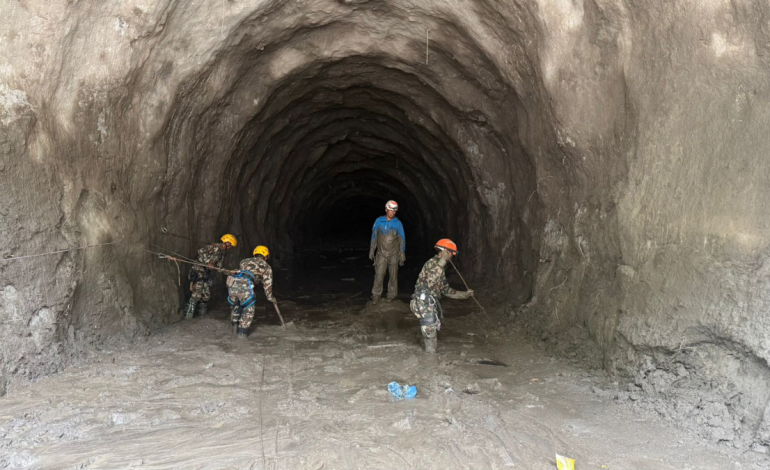
Nepal flood toll hits 951. (Image courtesy: X/@navsri6619)

New Delhi: Nepal’s death toll from the August 26 floods has risen to 951, while nearly 4,000 people remain missing, according to the Nepali media. More than 11,000 people have been rescued, but the search has now shifted towards hydropower projects in Rasuwa and Nuwakot, where hundreds of workers are feared trapped inside tunnels buried under mud and debris.
The disaster has also killed 16 people in Tibet, while 546 others remain missing, according to Chinese state media. Nepal’s missing persons list includes 592 foreign nationals, adding to the scale of the humanitarian crisis.
Rescue operations at Nepal’s hydropower projects have become increasingly difficult, with 933 workers reported missing across 11 projects in the worst-hit Rasuwa and Nuwakot districts, according to an earlier report by RNA Media. However, not all of those missing workers are believed to be trapped underground, with at least 500 feared to be inside tunnels as rescuers struggle to clear water, mud and boulders from blocked entrances.
The destruction has made conventional rescue methods difficult, as teams cannot always reach the tunnels through their original entrances. Instead, they are removing debris, creating alternative access routes and using oxygen and specialized equipment while working in areas where further collapses remain a risk.
India rescues 158 nationals, joins tunnel search
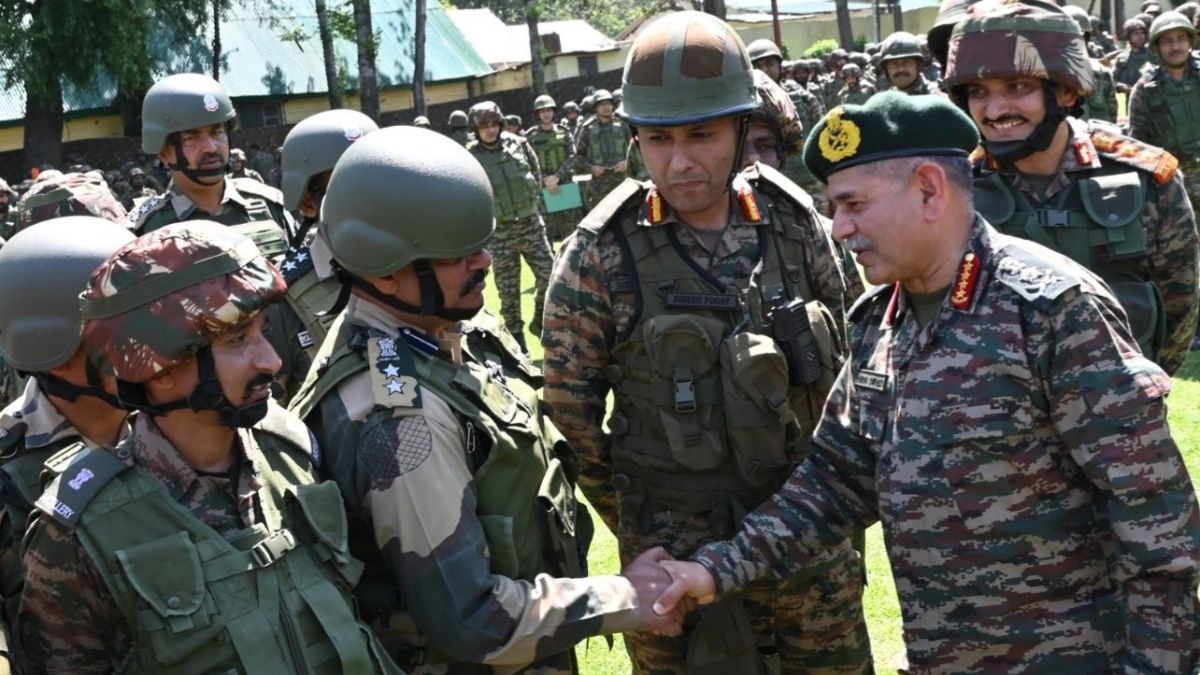
India rescued 158 Indian nationals from flood-hit Nepal, according to the ministry of external affairs update on Monday. Indian teams are also directly involved in the search for people believed to be trapped inside hydropower tunnels.
A specialized Indian rescue team is working with the Nepali Army at Chilime and Langtang, where operations have continued despite difficult weather and damaged access routes. MEA spokesperson, Randhir Jaiswal, said the Indian team made progress at both locations on Monday and would continue its operations. At Chilime, the Indian team managed to establish a foothold inside the tunnel, while rescuers at Langtang continued efforts to reach affected sections. The operations are being carried out amid unstable terrain and large quantities of mud and debris.
The operation at Upper Trishuli-3A project highlights how difficult it has become to locate people trapped underground. Nepal’s foreign minister, Shishir Khanal, told Kathmandu Post that rescuers had to rely on engineering maps after the original tunnel entrance disappeared beneath the debris.
Instead of approaching the tunnel from the front, teams created a vertical opening from above to reach the structure. Once access was established, oxygen was pumped into the tunnel as rescuers continued their search.
Chinese specialists are working at Trishuli-3A project, while Indian teams are deployed at Chilime and Langtang and South Korean specialists are assisting at Upper Trishuli. At Rasuwagadhi, Nepalese security personnel reached the final sections of a tunnel on Monday but found neither survivors nor bodies, Khanal said.
India sends forensic team to identify victims
The same Indian forensic team that helped identify victims of the 2025 Air India Flight 171 crash near Ahmedabad is now assisting Nepal in identifying victims of the devastating floods. The 19-member team has begun collecting biological samples from recovered remains as part of the disaster victim identification effort.
The team includes experts from the National Forensic Sciences University and the Central Forensic Sciences Laboratory and is working with Nepalese forensic authorities. More than 600 bodies remain unidentified, according to a Nepal Police official cited by Hindustan Times.
DNA samples are being collected from bones, teeth and other available remains and will be compared with samples and medical information provided by relatives.
MEA issues guidelines for identification of Indian victims
Jaiswal on Tuesday issued fresh guidelines for the identification and repatriation of mortal remains of Indian nationals who died in the Nepal floods. The ministry said Nepalese authorities will conduct post-mortem examinations, formal identification and forensic sample collection, while DNA matching with first-degree relatives will be required for unidentified or temporarily interred remains.
The embassy of India in Kathmandu will assist families with the handover and repatriation process. Relatives can provide DNA profiles or blood samples through channels specified by Nepal Police.
Nepal seeks more specialized foreign equipment
Nepal has sought additional international support as rescuers continue operations in flood-hit areas, with specialised equipment needed for tunnel searches and forensic work. PTI reported that Nepal has requested freezers, DNA-testing kits and LiDAR equipment from the United States, DVI equipment from Singapore, and Bailey bridges and high-capacity drones from China and Singapore.
Nepal has already received airtight bags for handling recovered bodies, while more supplies are being delivered, Nepal foreign ministry spokesperson, Lok Bahadur Chhetri, said on Monday.
Nepal defends decision on international assistance
Nepal has faced criticism over reports that it initially turned down offers of foreign assistance after the floods. The RNA Media reported on August 28 that the government had declined assistance from several countries, saying its own security agencies could handle the rescue operation.
Khanal has rejected the claim that Nepal refused international assistance, saying the government’s initial priority was to rescue people on the surface. He said the need for specialized tunnel expertise became clear after authorities assessed the condition of the buried hydropower facilities.
According to Khanal, India’s specialist team arrived on the third day, China’s team followed on the fourth day and South Korean specialists joined the operation later. Nepal is now seeking foreign assistance for tunnel rescue, DNA testing, body preservation, damaged bridges, transportation and communications.
Khanal has described the disaster as a “Himalayan tsunami”, saying its speed and destructive force were unlike the seasonal flooding Nepal normally experiences.
China rejects allegations over Tibet hydropower projects
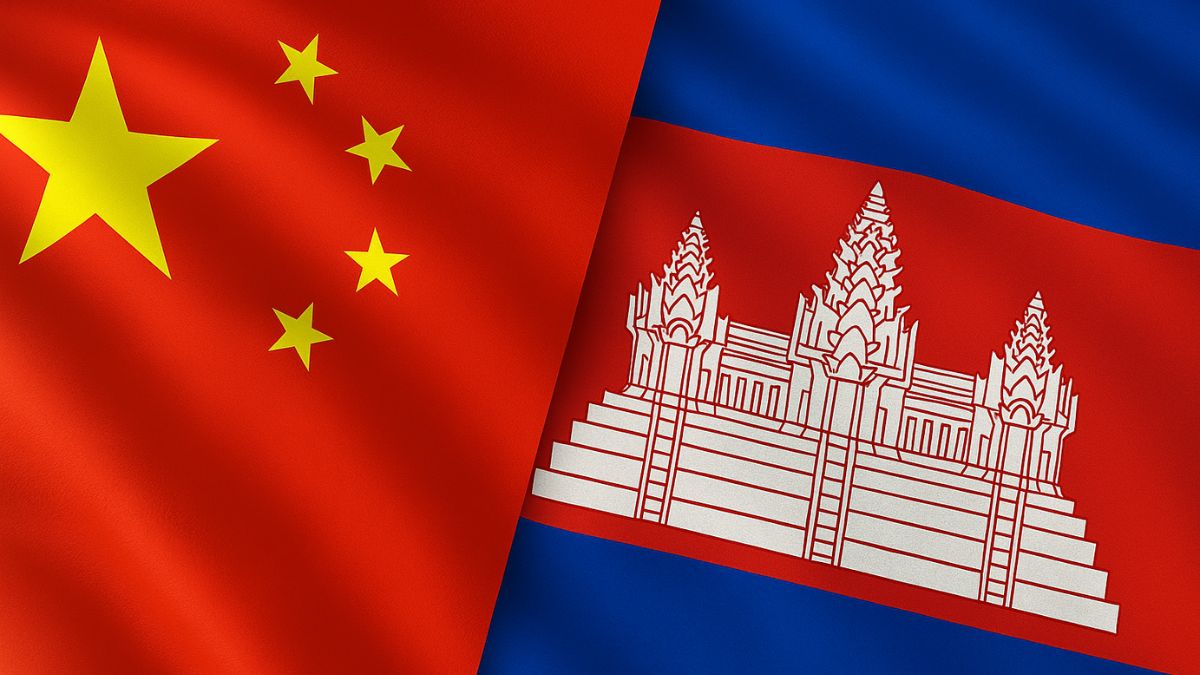
Meanwhile, China has rejected allegations that its hydropower projects in Tibet contributed to the disaster. Chinese foreign ministry spokesperson, Guo Jiakun said assessments by Chinese and Nepali experts indicated that the mudslide was triggered by the collapse of a high-altitude glacier in Nepal.
Chinese media described claims linking Chinese hydropower projects to the disaster as “malicious speculation”. At the same time, Chinese specialists are participating in rescue operations at affected hydropower sites in Nepal.