

Iran says Indian ships can pass Hormuz, but transit fees still apply
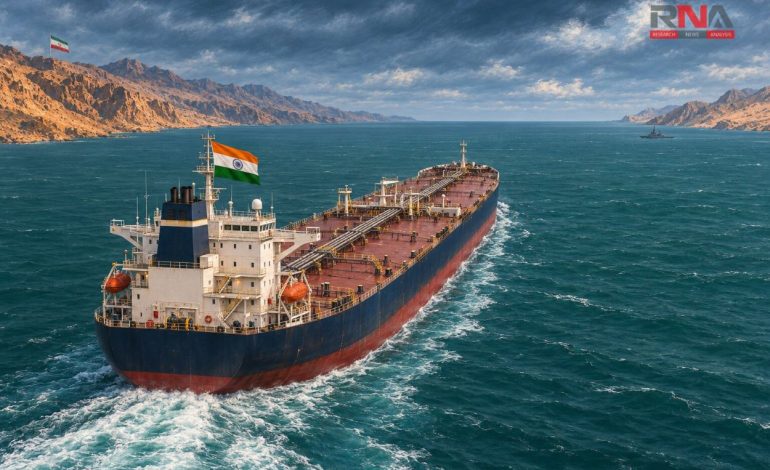
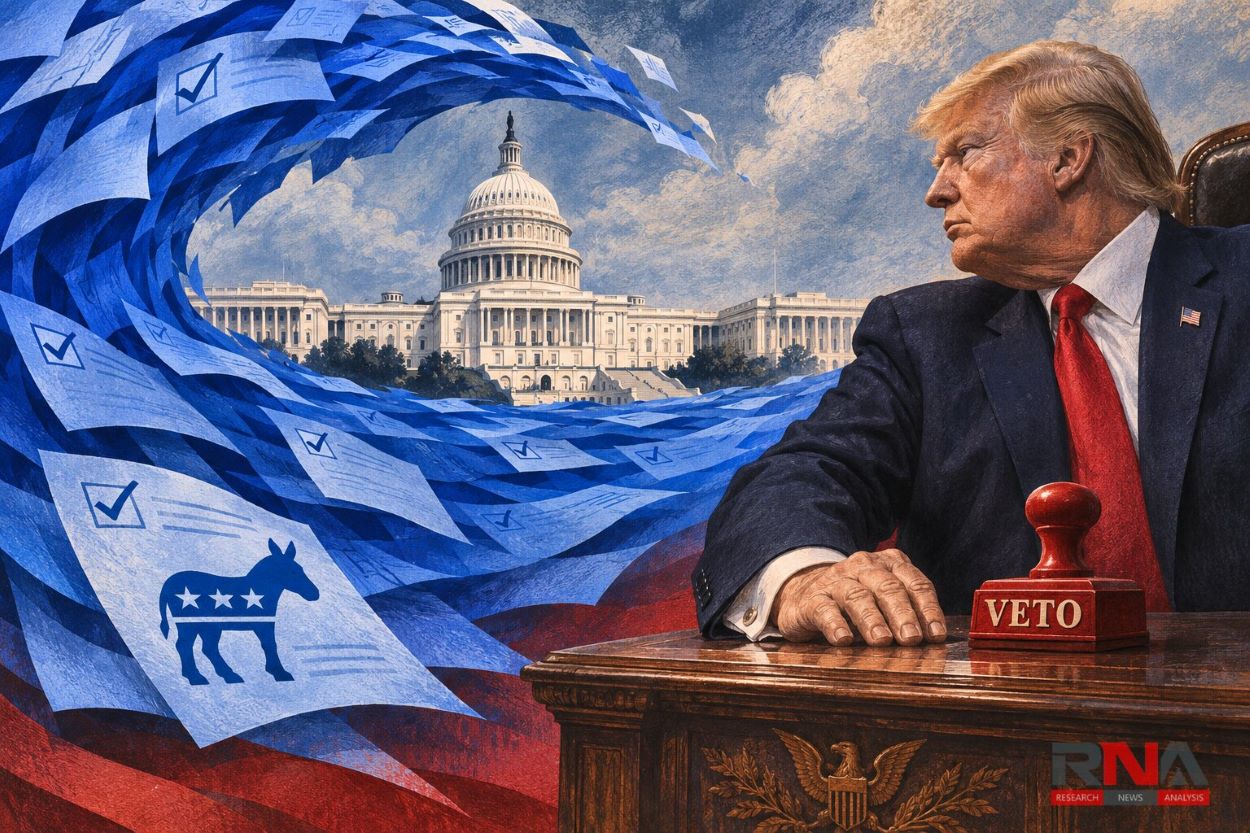
RNA Media illustration for representation.

New Delhi: Iran has exempted Indian ships from restrictions on passage through the Strait of Hormuz to facilitate medicine imports, a senior Iranian lawmaker has said. However, he said Indian vessels remained subject to transit charges, distinguishing the exemption from toll-free access through the strategically important waterway.
The deputy chairman of the Iranian parliament’s national security and foreign policy committee, Amir Hayat Moqaddam, told the Iranian Students’ News Agency on Tuesday, that the exemptions also covered China, Iraq and Qatar. He said American forces were not intercepting vessels from these countries either.
Hayat Moqaddam linked the arrangements to Iran’s interests, explaining that access for Indian ships supported pharmaceutical supplies while the exemption for Chinese vessels sought to secure Beijing’s political backing. He said Iran charged Indian and Chinese vessels for transit but waived fees for Qatari ships, without clarifying the position for Iraqi vessels.
The published account did not specify the charges, when the arrangements took effect, or whether eligibility depended on a ship’s flag, ownership or destination. It also did not establish an American commitment to the arrangement beyond the lawmaker’s assertion about non-interception.
Transit fees remain an unresolved issue
The payment claim needs to be distinguished from India’s previously stated position on passage through Hormuz. On March 24, the shipping ministry’s special secretary, Rajesh Kumar Sinha, said Indian tankers were not paying fees or protection money and that movements depended on safety assessments by shipping companies and charterers.
Sinha had also said vessels did not require permission to navigate the international strait, although the conflict required operators to assess conditions before sailing. That statement predates the latest Iranian remarks by more than seven months and cannot, by itself, establish whether operational arrangements have subsequently changed.
Earlier in the conflict, the external affairs minister, S Jaishankar, had described Indian ship movements as individual cases rather than the result of a blanket arrangement with Tehran. The distinction remains relevant because the latest published remarks do not explain how the exemption is being implemented for particular vessels or cargoes.
Fresh tanker incident underlines the danger
The announcement came against continuing threats to commercial shipping, with Iran’s Islamic Revolutionary Guard Corps claiming on November 4 that four oil tankers had struck naval mines south of the strait. In a statement reported by Reuters, the force said the vessels had entered a prohibited route, remained ablaze, and that two other ships had been seized.
The brief report did not identify the vessels, their nationalities or any casualties, and did not independently establish the Iranian account. It provided no basis for linking the ships to India.
Separately, US officials said American forces had conducted limited strikes on Iran’s Qeshm Island on November 2 after an attempt to target a US aircraft. The renewed military exchange added to uncertainty around the waterway while diplomatic efforts continued.
Qatar presses for an agreement
Alongside the shipping announcement, reports emerged that senior Iranian political figures were urging the military leadership to engage constructively with a Qatar-mediated proposal. Al Arabiya, citing unnamed sources, reported that the president, Masoud Pezeshkian, the parliament speaker, Mohammad Bagher Ghalibaf, and the foreign minister, Abbas Araghchi, had backed consideration of the initiative.
That account described internal discussions rather than an agreed settlement. It did not establish that Iran’s military leadership had accepted the proposed framework.
Qatar’s foreign ministry separately confirmed on November 3 that it was continuing to facilitate exchanges of proposals between Washington and Tehran. Its spokesperson, Majed al-Ansari, said both sides were reviewing ideas presented by mediators, with efforts continuing to narrow their differences.
The negotiations have faced a dispute over sequencing: Washington wants nuclear issues addressed at the outset, while Tehran wants the US blockade of its ports ended and sanctions on its oil exports lifted first. Qatari mediators had returned to Tehran to advance discussions, but substantial differences remained.
Why Hormuz matters to India
The Strait of Hormuz connects the Persian Gulf with the Gulf of Oman and the Arabian Sea, providing the principal maritime outlet for several Gulf energy producers. According to the US Energy Information Administration, oil shipments through the passage averaged 20.9 million barrels a day in the first half of 2025, equivalent to about one-fifth of global petroleum liquids consumption.
Those figures describe flows before the present conflict, rather than current traffic levels. They nevertheless demonstrate the scale of the exposure: Asian markets received an estimated 89 per cent of the crude oil and condensate passing through Hormuz during that period, with India among the leading destinations.
The route is also central to liquefied natural gas supplies, particularly from Qatar, while alternative pipelines can bypass only part of the oil normally shipped through it. The International Energy Agency’s assessment identifies limited bypass capacity as a major reason disruptions can affect energy markets far beyond the Gulf.
India’s response has also focused on the welfare of seafarers, including those serving aboard foreign-flagged ships. In an August 4 parliamentary statement, the shipping ministry described round-the-clock monitoring, incident reporting and coordination with the Indian Navy and the Information Fusion Centre – Indian Ocean Region.
The ministry said that, by then, 60 vessels carrying cargo for India had safely transited Hormuz and 3,972 Indian seafarers had been repatriated from the Gulf region. These were dated figures, but they illustrate the continuing need to protect both cargo movements and crews as diplomatic arrangements develop.