
Explainer: Why NIA can’t charge American Matthew VanDyke under UAPA yet despite alleged Myanmar insurgent links

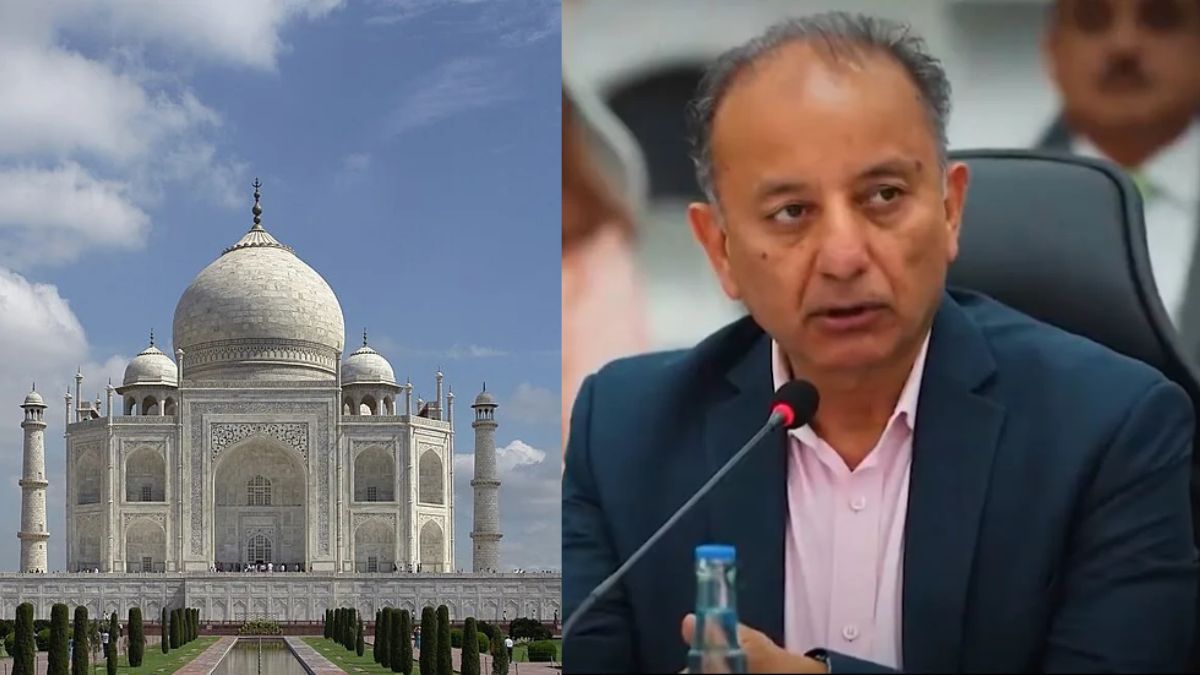
This digitally enhanced screenshot of a video clip posted on X shows Matthew VanDyke.

New Delhi: The National Investigation Agency has acknowledged that it cannot, at present, pursue terrorism charges against American national Matthew Aaron VanDyke and six Ukrainian citizens accused of training armed groups in Myanmar, because investigators have yet to establish whether the recipients of their training included Indian insurgents. The clarification, made by the agency’s director general, Rakesh Aggarwal, on Friday, has brought renewed attention to an investigation involving alleged cross-border military training, drone warfare and suspected links with insurgent organizations operating near India’s northeastern frontier.
Speaking to the Hindu on the sidelines of a two-day anti-terrorism conference, Aggarwal explained that the unresolved question concerned the identities and affiliations of the armed personnel allegedly trained by the seven foreigners. Although investigators believe the accused crossed illegally from Mizoram into Myanmar and provided military instruction to ethnic armed groups, they have not conclusively connected those activities to organizations involved in insurgency against India.
The distinction is central to the NIA’s decision not to invoke the Unlawful Activities (Prevention) Act (UAPA) in its September chargesheet, despite having initially registered a terrorism conspiracy case against the foreigners. Aggarwal indicated that the agency could pursue charges under the anti-terrorism legislation if further investigation established that Indian insurgents had benefited from the training.
From terrorism allegations to immigration offences
VanDyke and the six Ukrainians were arrested in March following an investigation into their movements between India and Myanmar, where they allegedly provided instruction in weapons handling, drone operations and related military techniques. According to investigators, the foreigners entered India on valid visas but subsequently travelled through Mizoram and crossed the international border into Myanmar without authorization.
The NIA initially registered the case under Section 18 of the UAPA, which deals with conspiracies and other forms of involvement connected with terrorist acts. However, when it submitted its chargesheet before a special court in Delhi on September 8, the agency proceeded under Sections 21 and 23 of the Immigration and Foreigners Act, 2025, rather than advancing the original terrorism allegations.
As RNA Media reported in September, the chargesheet did not terminate the wider investigation under the UAPA, and the NIA retained the option of submitting supplementary charges if fresh evidence emerged. Investigators have also been examining electronic records and other material allegedly associated with the accused, including information relevant to drone-related activities in Myanmar.
The case nevertheless raises an important legal distinction between unauthorized cross-border activity and participation in a terrorist conspiracy directed against India. Training an armed organization in a foreign conflict does not, by itself, establish every element of an offence under Indian anti-terrorism law, and investigators must demonstrate how the alleged conduct satisfies the relevant statutory provisions.
Court intervention and question of default bail
The investigation suffered a legal setback on September 18 when a special NIA court granted VanDyke default bail after finding that the agency had submitted an incomplete chargesheet within the statutory investigation period. The judge, Prashant Sharma, held that filing charges relating to immigration offences could not deprive an accused person of the right to bail when the investigation into the original terrorism allegations remained unfinished.
The decision, reported by Indian Express, followed the expiry of the extended 180-day investigation period available under the UAPA. Importantly, default bail did not amount to an acquittal, nor did it prevent the NIA from continuing its investigation or seeking additional charges supported by evidence.
VanDyke subsequently travelled to the United States after obtaining judicial permission and returned to Delhi for a court appearance on October 23, as RNA Media reported. The court later permitted the accused to remain overseas until February 24, 2027, subject to applicable conditions, even as investigators continued examining their alleged activities.
Aggarwal has cautioned that VanDyke could face further legal proceedings if terrorism charges are eventually established and he fails to return to India as required. The NIA chief said investigators were conducting forensic examinations of substantial quantities of data, indicating that the outstanding evidence could determine whether the case develops into a renewed prosecution under the UAPA.
Allegations against India add diplomatic dimension
The investigation has also become controversial following VanDyke’s accusations that his detention was connected to Russia’s war against Ukraine, a claim for which no independently verified supporting evidence has emerged. In his statements, the American denied being a mercenary, described his activities as humanitarian assistance and alleged mistreatment during his imprisonment in Delhi’s Tihar jail.
Aggarwal rejected the suggestion that VanDyke had raised such complaints during his repeated appearances before the court, questioning why the allegations had not been presented to the judge. Separately, CCTV footage concerning an altercation inside Tihar jail appeared to challenge part of VanDyke’s account, although the recording did not independently settle all his allegations of custodial mistreatment.
The case has wider implications for India’s security interests along its border with Myanmar, where armed ethnic organizations operate alongside insurgent networks with varying political objectives and affiliations. For Indian investigators, establishing whether military expertise, drones or weapons technology supplied to Myanmar-based groups reached organizations hostile to India is therefore a critical evidentiary question rather than merely a matter of geography.
It also illustrates the difficulties of investigating activities carried out across international borders, particularly when the alleged recipients belong to armed organizations operating in conflict zones. For the NIA, the immediate challenge is to establish the identities of those trained and determine whether their activities can be linked to an offence under Indian law, rather than relying solely on the accused foreigners’ movements or military experience.
Aggarwal’s latest clarification leaves the central terrorism allegation unresolved, with the immigration-related proceedings and further investigation following separate legal paths. Whether the agency can eventually invoke the UAPA will depend on the evidence it obtains about the training recipients and their alleged connections with Indian insurgent organizations.