Char Dham helicopter operators halt services over DGCA’s two-pilot rule
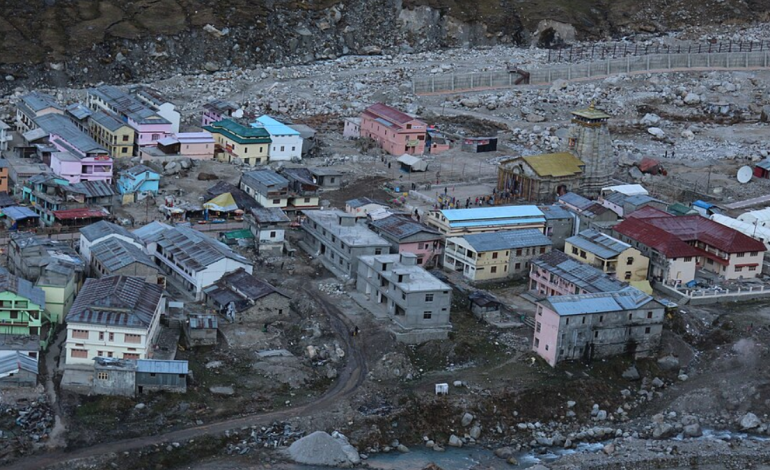
Representational image. (Image courtesy: Wikimedia)

New Delhi: Pilgrims travelling to Uttarakhand’s Char Dham shrines will no longer be able to use helicopter services from Tuesday, after operators decided to suspend flights over a new DGCA safety rule. The shutdown follows a dispute over the regulator’s requirement for two pilots on charter helicopter flights.
The directorate general of civil aviation (DGCA) issued the directive on Saturday, a day after a Trans Bharat Aviation helicopter crashed. Operators have opposed the move and said services will remain suspended until the order is withdrawn.
They argue that helicopters used on the pilgrimage routes, including the Airbus AS350/H125 and Bell 407, are certified for single-pilot operations. A senior helicopter pilot with over 20 years of experience in the Himalayas told India Today that these aircraft also operate commercially in mountainous regions across the United States, Europe, New Zealand and Nepal with one pilot.
The new requirement would also reduce the number of passengers carried on each flight. These helicopters typically accommodate six passengers and one pilot, but operators would have to leave two passenger seats vacant to accommodate a second pilot.
This would cut passenger capacity by nearly one-third while increasing crew expenses. Industry sources said operators had purchased helicopters worth ₹25 crore to ₹40 crore based on single-pilot operations and would struggle to recover their investments under the new arrangement.
Operators have also questioned the timing of the DGCA directive. They said it was issued before the Aircraft Accident Investigation Bureau (AAIB) began its investigation into the October 30 crash.
They argue that weather changes, poor visibility and operational decisions are among the major risks associated with helicopter flights in the Himalayan region. They believe the two-pilot requirement does not directly address these challenges.
According to reports, industry has instead called for better safety infrastructure at Char Dham helipads. Its demands include automated weather stations, flight-following systems and uniform weather minima. Operators have also raised concerns about the one-helicopter-at-a-time restriction at Jhala and Badrinath, which they say can put pressure on crews to clear helipads quickly during deteriorating weather.
The expert argued that it overlooks weather and infrastructure-related risks and was introduced without a detailed safety assessment or consultation with pilots.
According to media reports, Manish Saini, CEO and MD of Rajas Aerosports and Adventures Pvt Ltd, said operators were not against the government or its efforts to improve aviation safety. However, he maintained that the helicopters were designed and certified for single-pilot operations and that the new rule did not account for their limitations.
Saini said operators would provide full refunds to passengers with confirmed bookings and assist those affected by the suspension. He also warned that smaller companies, many of which had taken loans or mortgaged assets to purchase helicopters for the pilgrimage season, would continue to face financial liabilities despite the shutdown.
He said the industry was ready to support measures that genuinely improve safety and hoped to find a solution with the authorities to resume services.