Iran calls US greatest threat to nuclear non-proliferation amid renewed strike warnings
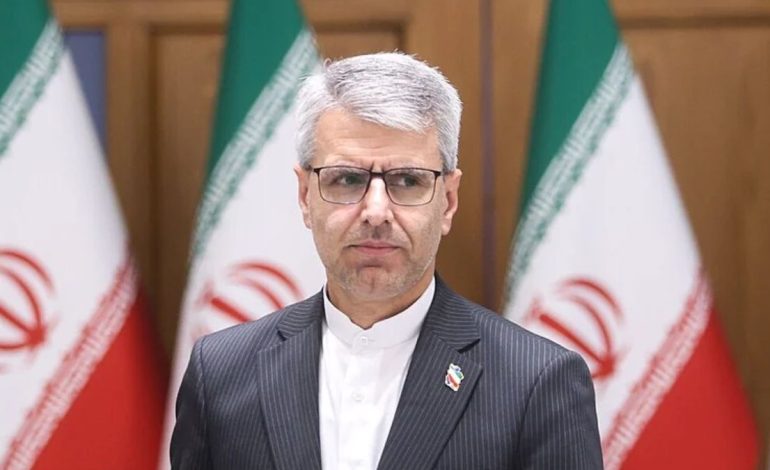
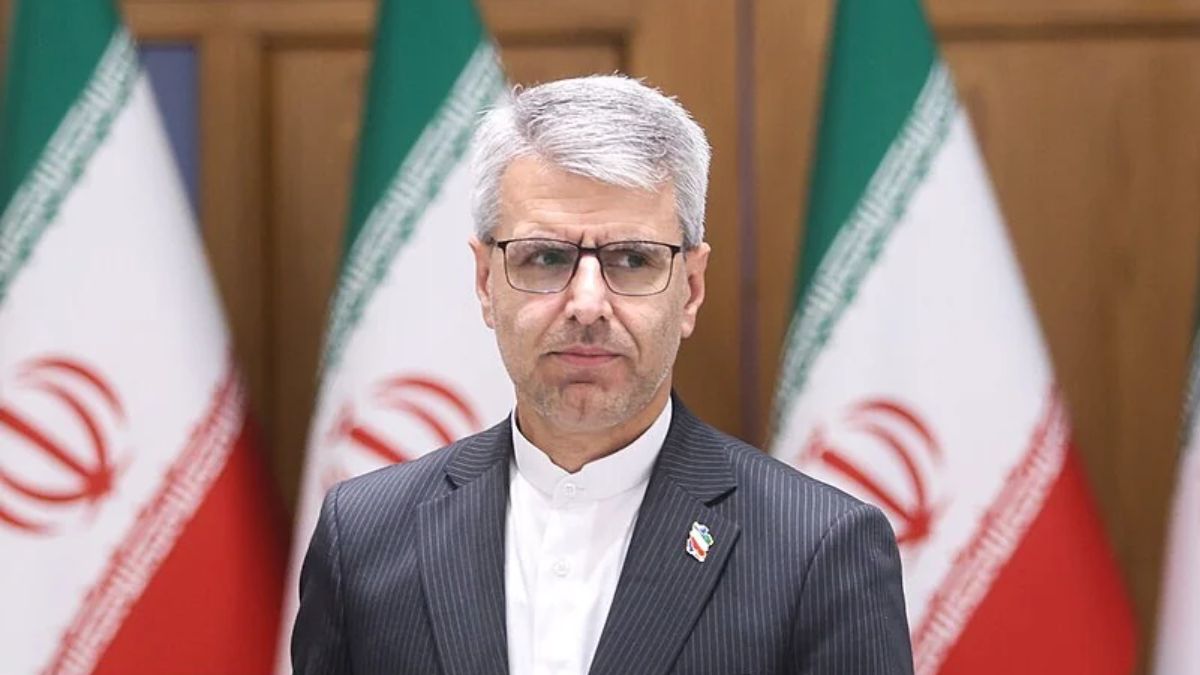
Iranian diplomat,Esmail Baghaei. (Image courtesy: Wikimedia Commons)

New Delhi: Iran accused the United States on Monday of being the greatest threat to global nuclear non-proliferation amid renewed warnings of strikes on its nuclear facilities. Tehran maintained that it remains bound by the Treaty on the Non-Proliferation of Nuclear Weapons, also known as the Nuclear Non-Proliferation Treaty or NPT, while resisting calls to resume full international inspections.
“The United States is actually the greatest threat to the nuclear non-proliferation regime,” foreign ministry spokesman, Esmail Baghaei, said at a briefing in Tehran, according to IRNA.“The very expression of a threat against a country and the implicit threat that we may use a certain weapon is itself an encouragement to violate the NPT,” he added.
Baghaei criticized the United Nations, its security council and the International Atomic Energy Agency (IAEA) for what he described as inadequate responses to US and Israeli actions. He said such threats would strengthen Iran’s determination to defend itself.
Iran’s nuclear programme has always been peaceful, Baghaei maintained, although that assertion has not been independently established. Asked about withdrawal from the NPT, he said: “This issue is real, but at the decision-making level, we are still a member of the NPT and remain committed to our obligations.”
Baghaei acknowledged discussions within Iran about possible changes to its nuclear doctrine, describing them as a response to years of US pressure and attacks on figures associated with the country’s nuclear programme. However, he maintained that Tehran’s official position on the NPT remained unchanged.
Baghaei also rejected calls from IAEA director general, Rafael Grossi, for inspectors to regain access to restricted nuclear sites. “We have not reached that stage at all yet,” he said, arguing that Grossi had failed to condemn earlier attacks on Iranian facilities.
The disagreement follows Grossi’s October 27 briefing to the UN security council, where he said inspectors still lacked access and information needed to verify previously declared nuclear material. The agency continues verification work at the Bushehr nuclear power plant, but remains unable to establish the size, composition or location of Iran’s enriched uranium stockpile.
Its last estimate, from June 2025, included more than 440 kilograms enriched to 60 per cent. The IAEA board of governors reaffirmed concerns over Iran’s non-compliance with safeguards obligations in September 2026 and referred the matter to the security council. NPT membership and compliance with inspection requirements are distinct issues; the agency needs sufficient access to verify whether safeguarded material has been diverted.
The dispute unfolds against renewed US military warnings. Washington and Israel launched strikes on Iran on February 28, triggering a wider conflict that has disrupted shipping and energy markets across West Asia.
At a rally in Dubuque, Iowa, on Sunday, president, Donald Trump, defended the US military operation against Iran, declaring: “I stopped Iran from having a nuclear weapon.” Trump also defended the economic consequences of the conflict, including rising oil prices. “It’s a very small price to pay for the security of this country and for the world,” he said.
Reuters reported on Monday that Trump’s suggestion of further strikes after the November 3 US midterm elections had alarmed Gulf governments. Officials feared Iran could retaliate against American bases and regional energy, desalination and communications infrastructure. Trump has not publicly announced a decision to launch another attack.
Meanwhile, Iran said it remained in indirect contact with Washington through Qatari mediators, although talks had produced no breakthrough. Baghaei insisted that US concessions, including ending the naval blockade of Iranian ports, must precede further nuclear negotiations; Tehran also ruled out transferring its enriched uranium abroad.