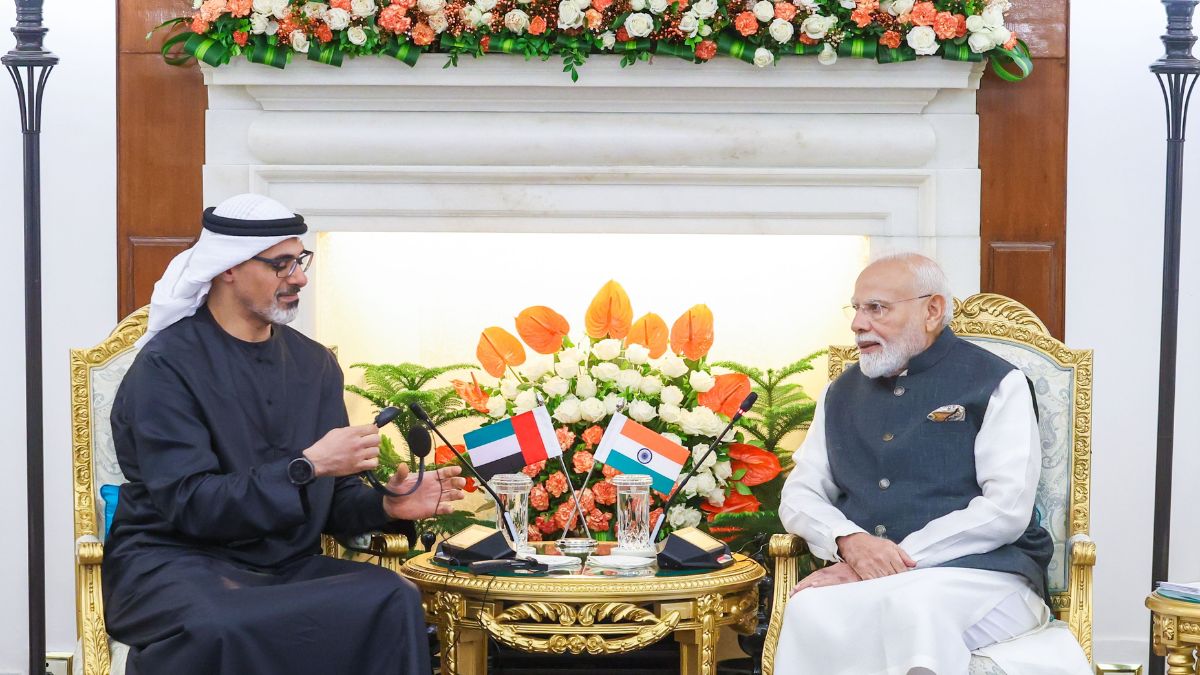
BRICS New Delhi Declaration voices ‘deep concern’ over West Asia tensions, condemns Pahalgam attack, calls for arms control in space
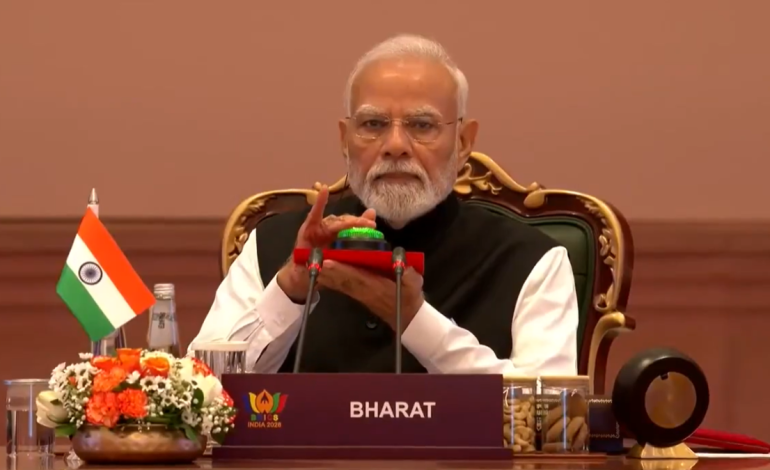
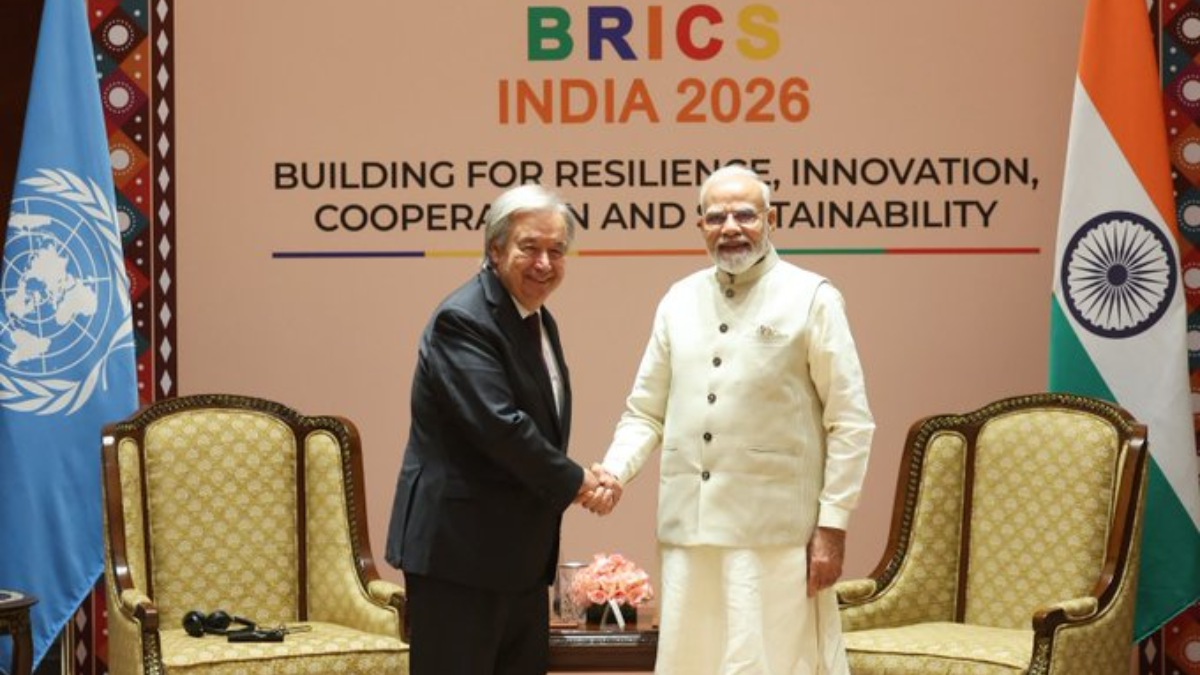
BRICS New Delhi Declaration voices 'deep concern' over West Asia tensions. (Image courtesy: X/@narendramodi)

New Delhi: BRICS leaders adopted the New Delhi Declaration at the conclusion of the 18th summit, expressing deep concern over escalating tensions in West Asia, strongly condemning terrorism including the Pahalgam attack in Jammu and Kashmir, and calling for concrete steps to prevent an arms race in outer space.
Reaching consensus on the declaration was reportedly complicated by opposing positions within BRICS, particularly between Iran and the UAE, which have been on opposite sides of the US-Israeli war on Iran since February 2026. Earlier BRICS ministerial meetings under India’s 2026 chairship, including a foreign ministers’ meeting in May, had failed to produce joint statements over precisely this divide. Despite these tensions, the New Delhi Declaration was ultimately adopted, reflecting an eleventh-hour compromise among member states.
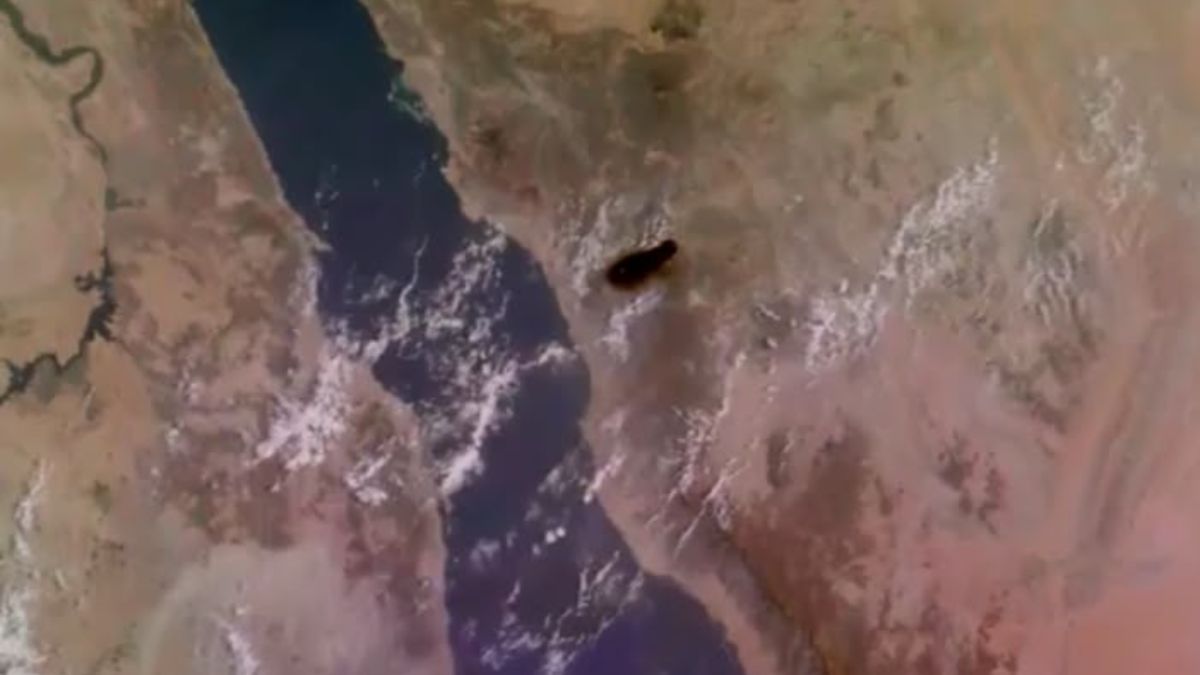
The declaration expressed “deep concern over the continued escalation of tensions in West Asia” and called for maximum restraint, urging all sides to avoid actions that could further aggravate the situation. It called for the protection of civilians and civilian infrastructure in line with the UN Charter, including respect for the sovereignty and territorial integrity of states.
In the declaration, BRICS leaders said, “We encourage increasing efforts, through dialogue and diplomacy, towards a long-term understanding that will contribute to lasting peace, security and stability in the region. We stress the need to work together to maintain smooth flow of global trade, supply chains and energy, in accordance with applicable international law.”
The declaration also expressed deep concern over Cuba’s situation amid tightening unilateral blockade measures, citing their adverse effects on the Cuban economy, energy supplies and humanitarian conditions. It reiterated the need to end economic, commercial and financial measures against Cuba, in line with UNGA Resolution A/RES/80/4.
Terrorism
The declaration strongly condemned all acts of terrorism as criminal and unjustifiable, “regardless of their motivation, whenever, wherever and by whomsoever committed”. It condemned in the strongest terms the Pahalgam attack in Jammu and Kashmir on April 22, 2025, in which 26 people were killed and many more injured.
BRICS leaders reaffirmed their commitment to combating terrorism in all its forms, including cross-border movement of terrorists, terrorism financing and safe havens. The declaration said terrorism should not be linked to any religion, nationality, civilization or ethnic group, and called for those involved in terrorist activities, and those supporting them, to be held accountable under national and international law. It also called for zero tolerance towards terrorism and rejected double standards in countering it.
It placed primary responsibility for combating terrorism on states, and said global counter-terrorism efforts must comply fully with international law, including the UN Charter, international human rights law, international refugee law and international humanitarian law. It welcomed the work of the BRICS Counter-Terrorism Working Group and its five subgroups, and called for early finalization and adoption of the Comprehensive Convention on International Terrorism at the UN. It also called for concerted action against all UN-designated terrorists and terrorist entities, and for greater cooperation among BRICS countries in countering extremism and radicalization, particularly among younger people.
Separately, the declaration flagged concerns over illicit financial flows, including terrorism financing, arms and human trafficking, money laundering linked to drug-related crime, misuse of digital technologies for criminal purposes, illegal virtual-asset flows and corruption, warning that such activities could hurt economic stability, sustainable development and the integrity of the global financial system.
Outer space
On outer space, the declaration recognized the need to ensure that space systems and space science and technology are used only for peaceful purposes. BRICS leaders reasserted support for the long-term sustainability of outer space activities and for preventing an arms race in outer space (PAROS) and its weaponization, as well as threats or use of force against space objects, including through negotiations towards a binding multilateral legal instrument.
The declaration cited the updated Draft Treaty on the Prevention of the Placement of Weapons in Outer Space and of the Threat or Use of Force against Outer Space Objects (PPWT), submitted to the Conference on Disarmament in 2014, as an important step towards this goal. It said practical, non-binding measures, such as transparency and confidence-building measures, along with universally agreed norms and principles, could also contribute to preventing an arms race in space.
BRICS leaders noted an initiative by some member countries at the UN General Assembly to create a single Open-Ended Working Group for coherent and inclusive discussions on the issue, and said they would engage constructively in that process, including on the substance of a legally binding instrument on PAROS.
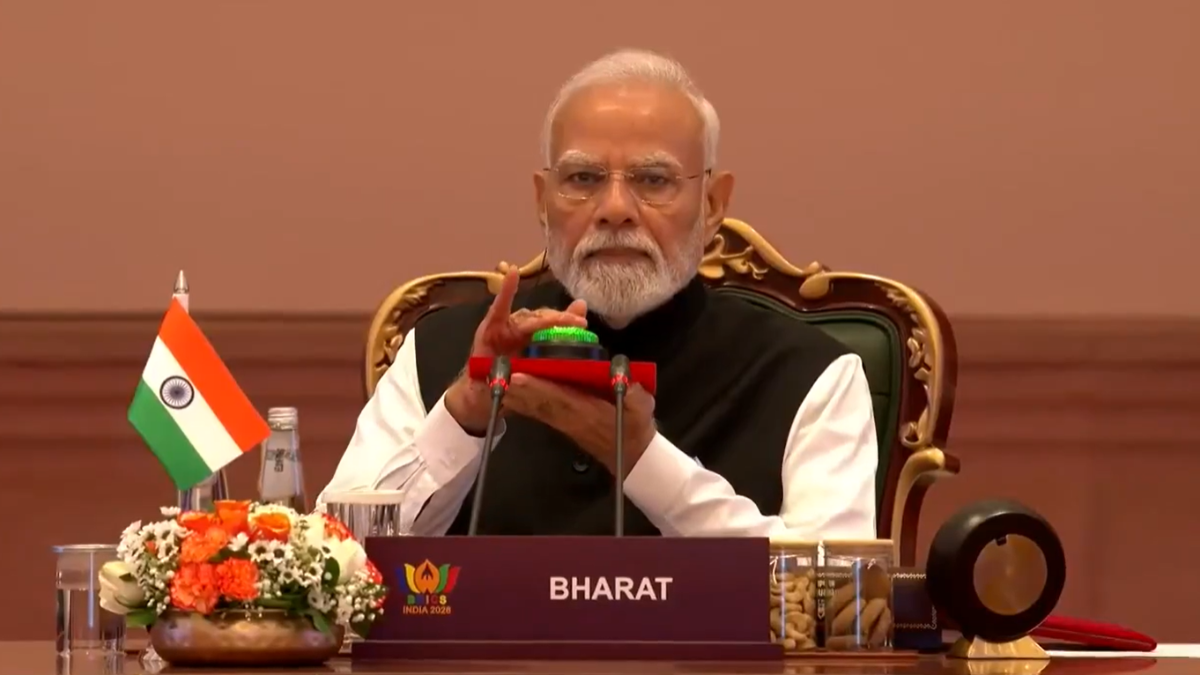
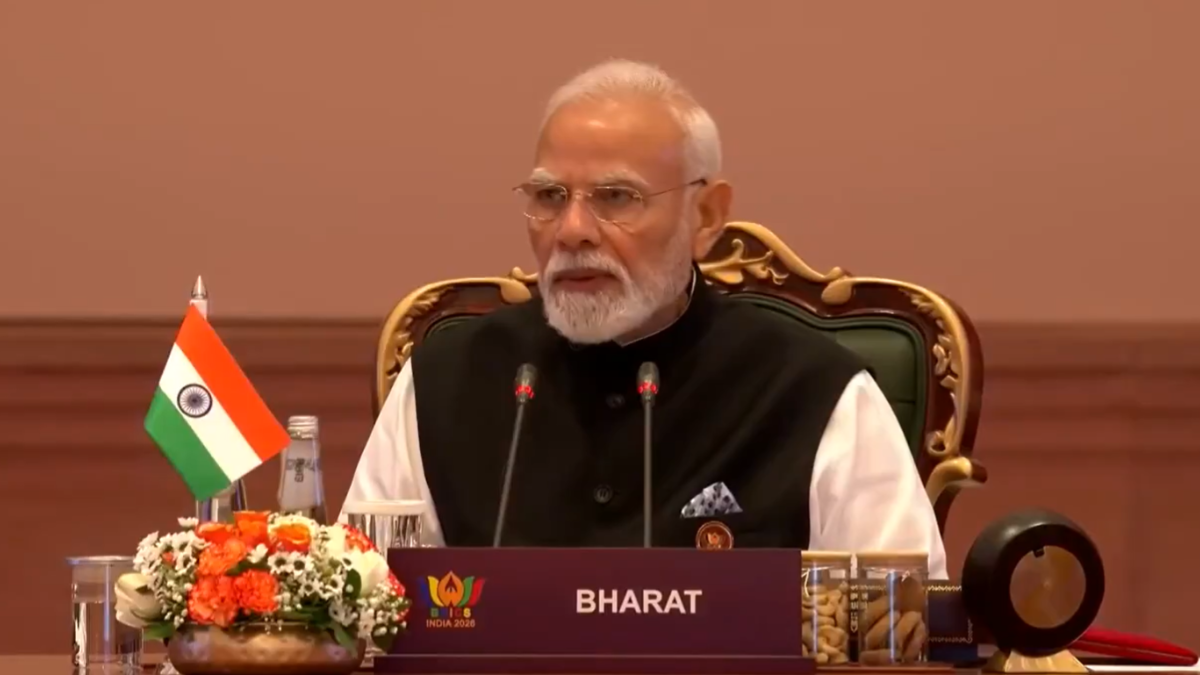
Calling the session “highly productive and constructive”, the prime minister, Narendra Modi, said the diversity of members’ views, alongside their shared commitment to BRICS cooperation, had clearly emerged in the discussion. “Today’s discussion makes it evident that the changing world cannot be steered by outdated institutions; reforms are essential in representation, responsiveness, and rule-making.”
Today, BRICS comprises 11 countries: Brazil, China, Egypt, Ethiopia, India, Indonesia, Iran, Russia, Saudi Arabia, South Africa and the UAE. Together, these members account for 49.5 per cent of the global population, 40 per cent of global GDP and 26 per cent of global trade – figures that underline their substantial demographic and economic weight. The bloc’s expanded membership has also widened its geographical reach across Asia, Africa, West Asia and Latin America, bringing together major markets, natural resources, technological capabilities and varied development experiences.