
Simbex – 2026: India, Singapore conclude naval-warfare drills in Bay of Bengal
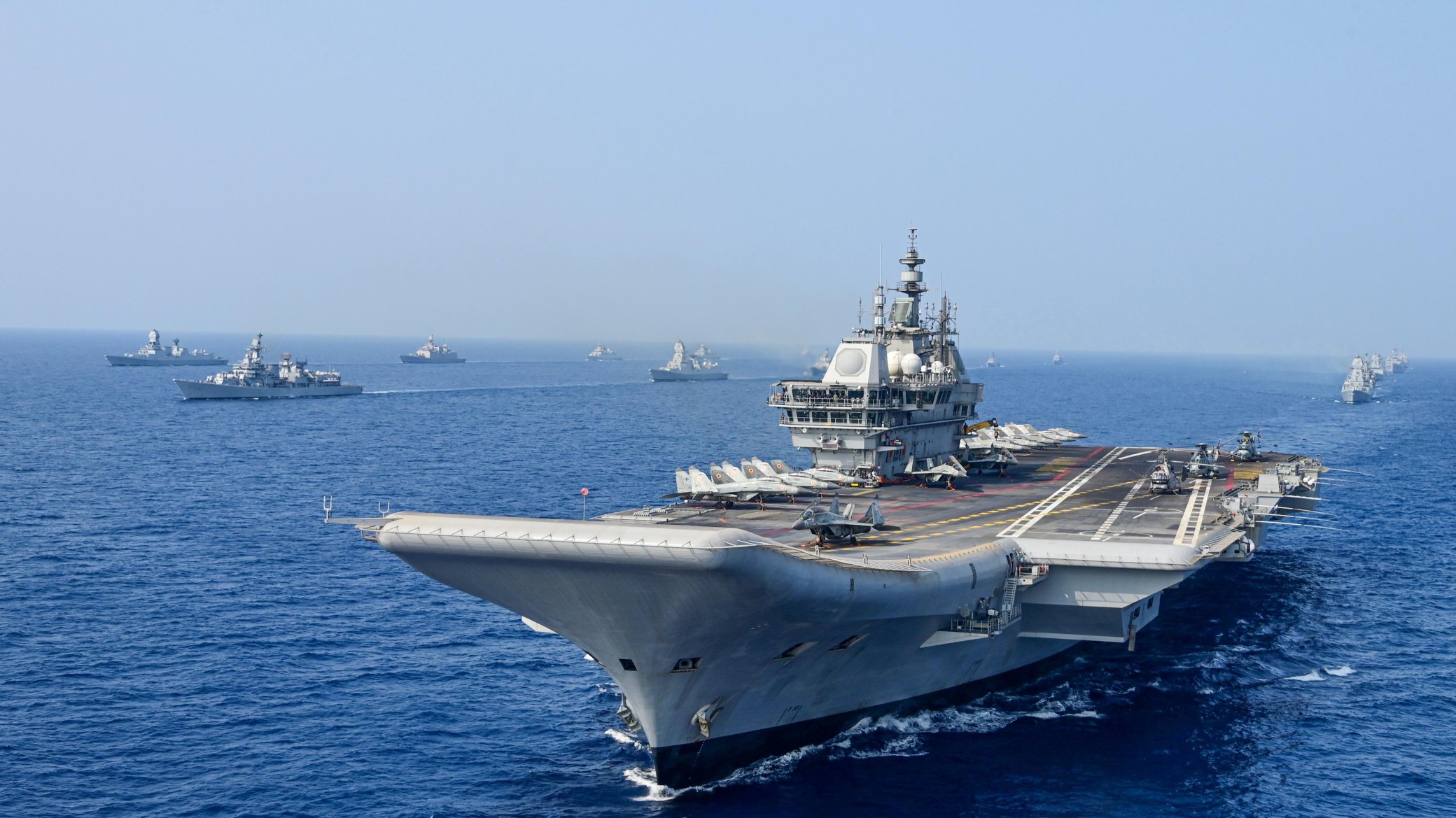
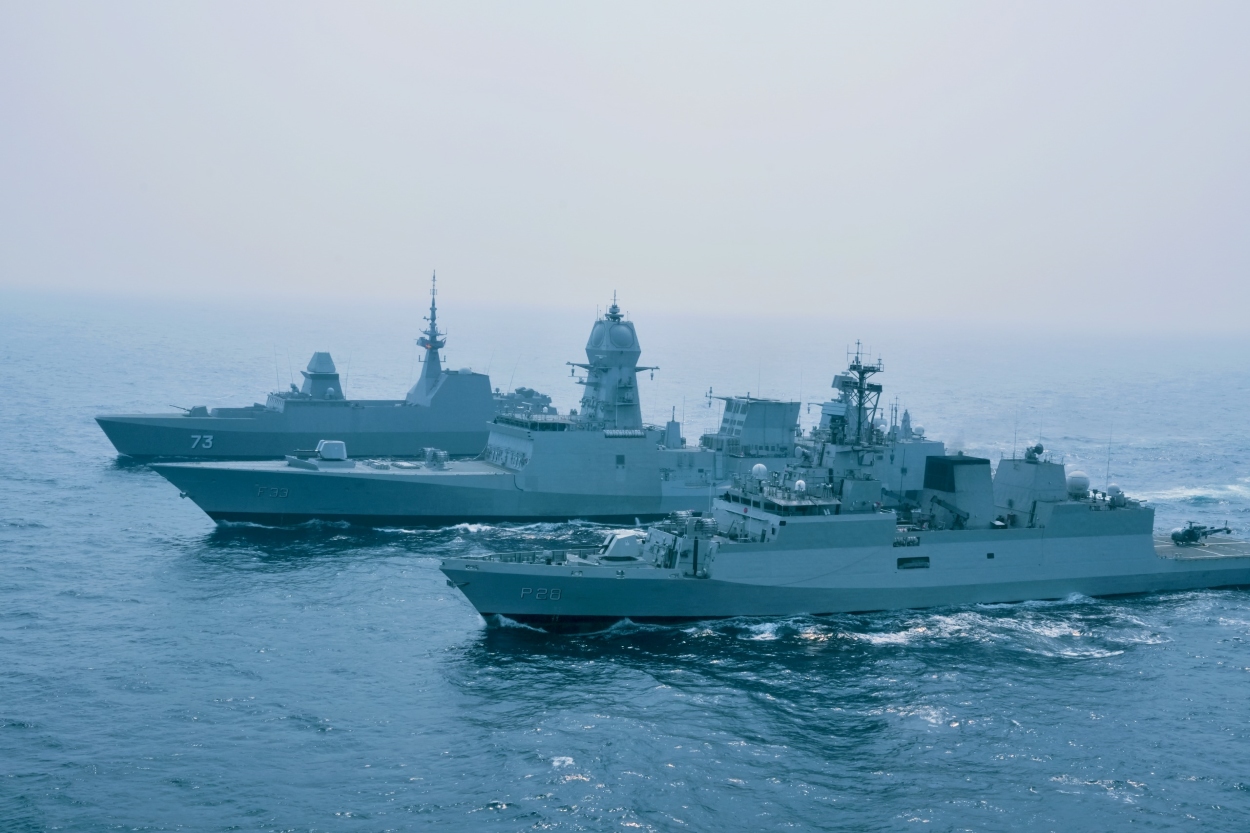
In this photo, Singapore’s Formidable-class stealth frigate RSS Supreme (Hull No. 73), and India’s stealth guided-missile frigate INS Nilgiri (Hull No. F33) and anti-submarine-warfare corvette INS Kamorta (P28) and seen during Simbex – 2026. (Photo: Indian Navy)

New Delhi: India and Singapore concluded Simbex – 2026 on Monday, after six days of naval exercises that tested coordination against underwater, surface and aerial threats. Hosted by the Indian Navy at Visakhapatnam, the 33rd Singapore-India Maritime Bilateral Exercise combined professional exchanges ashore with warfare drills in the Bay of Bengal.
As RNA Media reported earlier, the Indian contingent included the indigenously built stealth frigate INS Nilgiri and anti-submarine-warfare corvette INS Kamorta, while Singapore deployed its Formidable-class stealth frigate RSS Supreme. Singapore’s defence ministry also confirmed the participation of INS Sindhukirti, a Sindhughosh-class submarine, adding an underwater component to the exercise.
According to the Indian Navy’s concluding statement, aviation assets included P-8I and Dornier maritime patrol aircraft, Hawk advanced jet trainers and MH-60R helicopters. RSS Supreme operated with an embarked naval helicopter, supporting the integration of shipborne aviation into the drills.
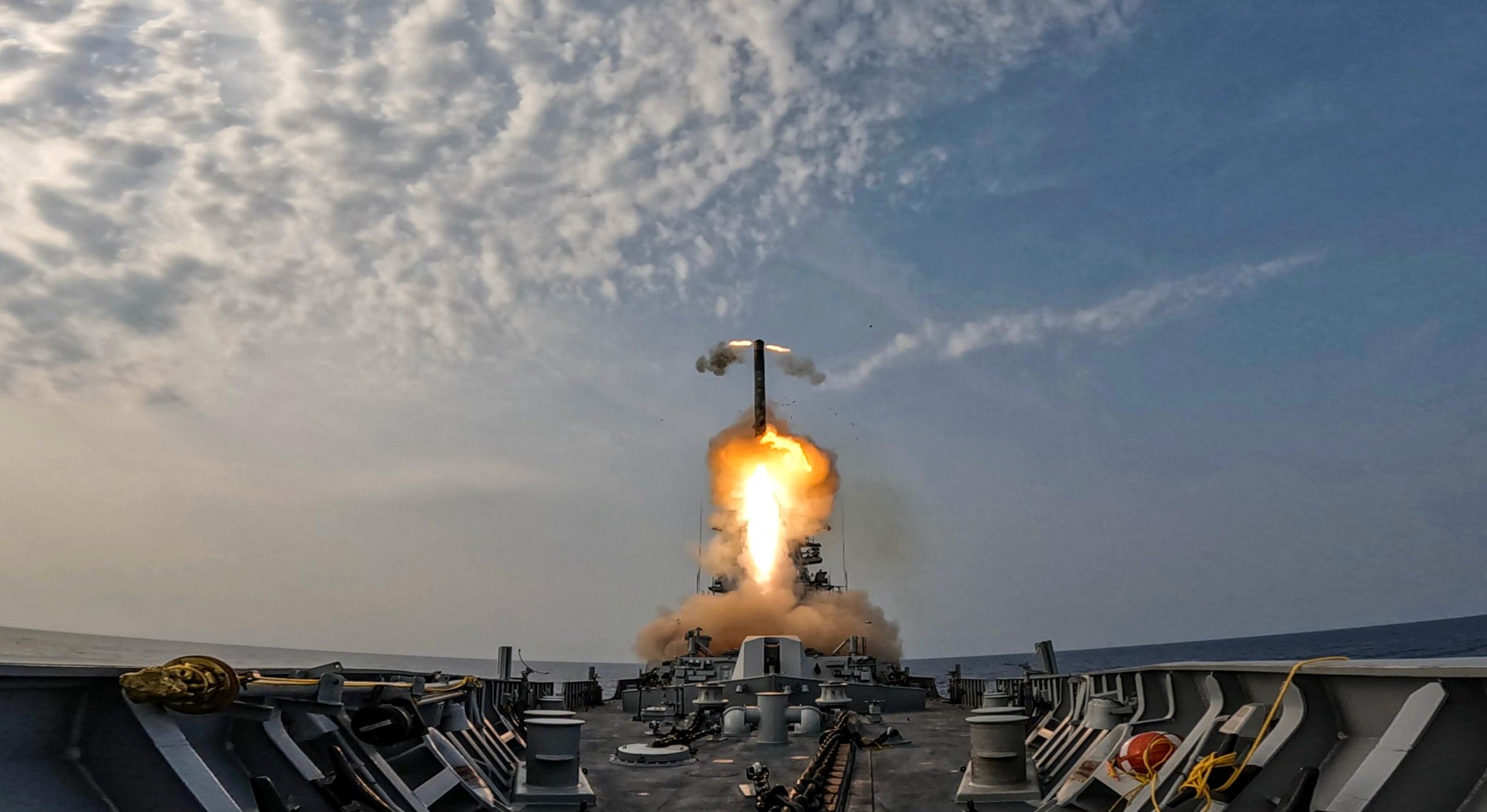
The sea phase involved anti-submarine, anti-air and anti-surface warfare, alongside maritime interdiction, seamanship exercises and cross-deck flying operations. Singapore’s defence ministry said the participating forces also conducted gunnery firing before concluding with a sail-past.
These activities required ships and aircraft to coordinate their movements, communications and responses across different threat scenarios. Cross-deck flying, in which helicopters operate between participating ships, also allows crews to practise working with another navy’s flight-deck procedures.
The exercise began with a harbour phase from October 21 to 23, followed by sea operations from October 24 to 26. Ship visits, specialist exchanges and planning conferences gave personnel an opportunity to compare operating procedures before putting them into practice at sea.
Singapore’s defence ministry said the specialist discussions covered unmanned systems operations, submarine rescue and maritime air operations. Sporting activities accompanied the professional programme, providing opportunities for interaction between the crews.
During the bilateral engagement, the fleet commander of the Republic of Singapore Navy, Colonel Bertram Ang, met the commander of the Eastern Fleet, Rear Admiral Vishal Bishnoi. The two officers discussed maritime cooperation and matters of mutual interest, according to the Navy’s statement.
Simbex began in 1994 as Exercise Lion King, with an initial focus on anti-submarine warfare. It subsequently expanded to encompass surface and air warfare, with revised standard operating procedures signed in 2006 to support its broader operational scope.
That evolution has made the annual engagement a platform for practising how different ships, aircraft and submarines operate together across several warfare disciplines. Beyond Simbex, India and Singapore sustain their naval relationship through port calls, training courses and professional exchanges.