


Zaporizhzhia nuclear plant faces 28th power cut as IAEA seeks emergency ceasefire
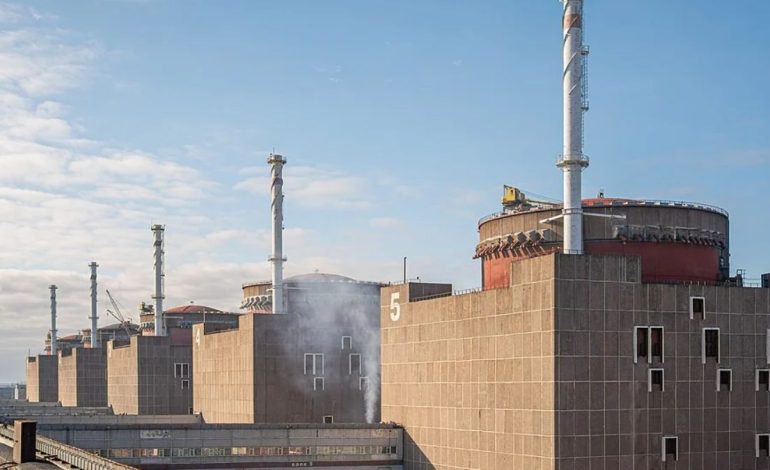
Zaporizhzhia nuclear power plant. (Image courtesy: Wikimedia Commons)

New Delhi: The International Atomic Energy Agency (IAEA) is engaging with Russia and Ukraine to arrange a ninth temporary localized ceasefire around the Russian-occupied Zaporizhzhia Nuclear Power Plant (ZNPP). The move follows another loss of external electricity, forcing the facility to rely on emergency diesel generators for the 28th time since the war began.
According to the IAEA’s update on Thursday, the plant lost its connection to the 330 kilovolt Ferosplavna-1 power line at 5.28am local time on Wednesday. The outage was reportedly caused by military activity.
The IAEA director general, Rafael Mariano Grossi, warned that the plant’s dependence on a single external power line had made its electricity supply extremely vulnerable.
“Once again we are faced with a loss of offsite power at the ZNPP. Its continued reliance on a single power line, together with the plant’s location on the front line of an active warzone, results in an extremely precarious offsite power connection,” Grossi said.
He urged Russia and Ukraine to stop military activity against electrical infrastructure. He also called for repairs to the Ferosplavna-1 line to restore the plant’s external power supply.
All four emergency diesel generators in automatic standby started after the power outage. Two have since been switched off to conserve fuel, leaving two generators operational. The plant has 19 emergency diesel generators in total.
The IAEA estimates that available diesel reserves can support the current arrangement for more than 10 days. However, the agency is seeking further information about fuel availability and storage at the site.
The plant has also suspended on-site heating to save diesel, despite temperatures falling to around zero degrees Celsius. All reactor heat-removal pumps have been switched off, while spent fuel pool cooling pumps in Units 1 and 6 remain operational.
The IAEA said coolant temperatures remain within normal operating limits but are rising. Cooling pumps will need to be restarted periodically to keep temperatures under control.
Grossi said the fuel conservation measures were helping the plant maintain essential safety functions. However, he warned that cold conditions and the periodic operation of safety equipment highlighted the challenges facing staff.
IAEA seeks second power link repair
The agency has also stressed the need to repair the Dniprovska substation and its associated 750 kilovolt power line. Both are important parts of the plant’s electricity infrastructure.
The substation was reportedly damaged during military activity in May. The power line was repaired under an IAEA-negotiated ceasefire in June, but further damage was later identified.
Why the power outage matters
Although the Zaporizhzhia plant is not generating electricity, it still needs power to operate essential safety systems. These ensure that the fuel within the reactors as well as the spent fuel pools remain cool.
Emergency diesel generators are used when there is no power on the grid to provide power. But the longer they are used, the greater the need to keep adequate supplies of fuel and equipment in working order.
Russian forces captured the Zaporizhzhia plant in the early weeks of the invasion of Ukraine in February 2022. It is Europe’s biggest nuclear power plant with six reactors. The reason being that its presence in a war-torn area poses a lot of questions regarding its safety.