Why is the Iran wedding strike raising questions for Washington? Vance responds
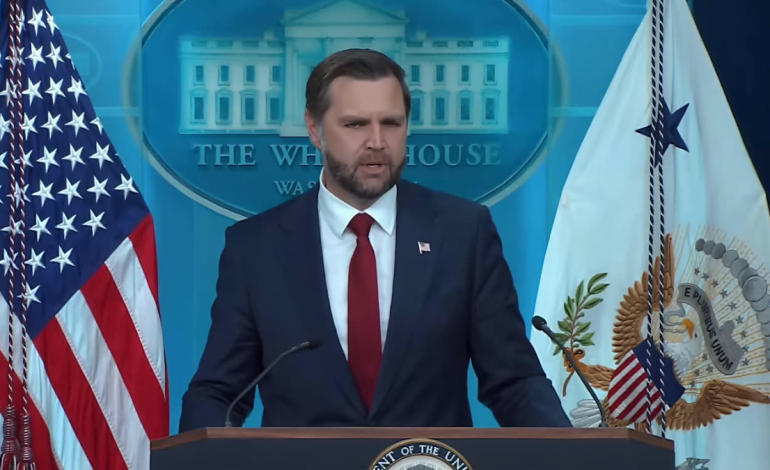
The United States vice-president, JD Vance. (Image courtesy: YouTube/whitehouse)

New Delhi: A bombed wedding celebration in southern Iran has become the focus of renewed scrutiny after evidence emerged suggesting that the house where the ceremony was being held may have been directly struck by a US munition. The development has put fresh pressure on Washington over civilian casualties in the Iran war, particularly after the United States vice-president, JD Vance, said the US military is investigating the incident.
The September 1 strike in Kuhestak killed at least four people and injured more than 60 others, according to Iranian and human rights sources. What has turned the incident into a larger controversy is the question of whether the casualties were caused by the US strike itself, rather than by an Iranian air-defence missile or debris from another target.
The US had carried out strikes across southern Iran that day against Iranian military infrastructure, including air-defence, radar and communications facilities. According to reports, two US officials said a telecommunications tower in the Kuhestak area was among the targets, with the tower located about 135 metres from the house where the wedding was taking place.
A Reuters analysis of verified photos and videos from the scene found that the damage was consistent with a direct munition strike on the building, rather than a munition being deflected from the nearby target. Four weapons experts reviewed the material, and three said the munition was likely American rather than an errant Iranian air-defence missile.
Why the strike has become a bigger issue
The distinction is significant because the US military has not accepted responsibility for the civilian deaths and has been examining different possibilities for what happened. The Pentagon has said it is aware of the reports and is investigating, while Washington maintains that US forces “never targets civilians”.
The incident has also raised questions about the nature of the intended target. Iranian telecommunications authorities said the tower was a civilian structure providing mobile, telephone and internet services to surrounding areas, while US officials said American forces had targeted it during operations against Iranian military capabilities.
The Kuhestak incident is particularly significant because it follows the February 28 strike on a primary school in Minab, which Iranian officials said killed more than 175 children and teachers.
The Minab attack became one of the most serious civilian casualty incidents of the war and raised questions over US targeting and intelligence. The latest investigation into the wedding strike has therefore revived scrutiny of whether another US operation may have caused civilian deaths while targeting nearby military or communications infrastructure.
Vance faces questions over wedding strike
Vance addressed the issue during a White House briefing on Thursday, saying the United States was investigating the reported attack. He said Washington wanted to know what happened but was “extremely sceptical” of accounts coming from the Iranian government.
“We’re investigating it because obviously we care. We want to know,” Vance said, adding that when the US military makes mistakes, it investigates them and seeks to improve. His comments marked the clearest acknowledgement from the administration that the reported civilian deaths were being examined.
Vance, however, declined to offer a timeline for the end of the US-Israeli war on Iran during the same briefing. He said major combat operations had lasted about six weeks and claimed that US action had degraded Iran’s defence production capabilities, while acknowledging that fighting had continued to flare up.
Hormuz remains centre of conflict
Vance also linked the continuation of the conflict to Iran’s actions around the Strait of Hormuz, accusing Tehran of restricting commercial shipping through the strategic waterway. Roughly one-fifth of the world’s oil and gas shipments moved through the strait before the war, making the disruption a major factor behind pressure on global energy markets.
He argued that US military operations were helping create conditions for commercial shipping to resume and credited The United States president, Donald Trump, and the US military with preventing a wider energy crisis. Vance also said a new agreement involving 65 billion barrels of Venezuelan oil reserves would help lower global energy costs.