Rajnath Singh urges SCO to dismantle terror networks, reject double standards
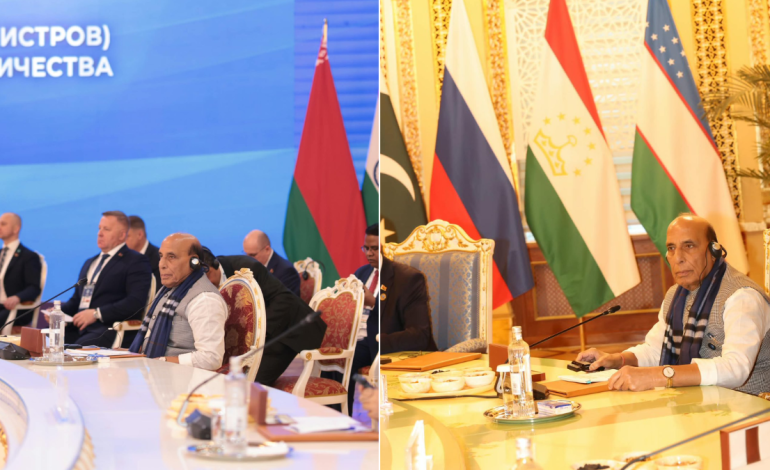
Rajnath Singh urges SCO to dismantle terror networks. (Image courtesy: X/@rajnathsingh)

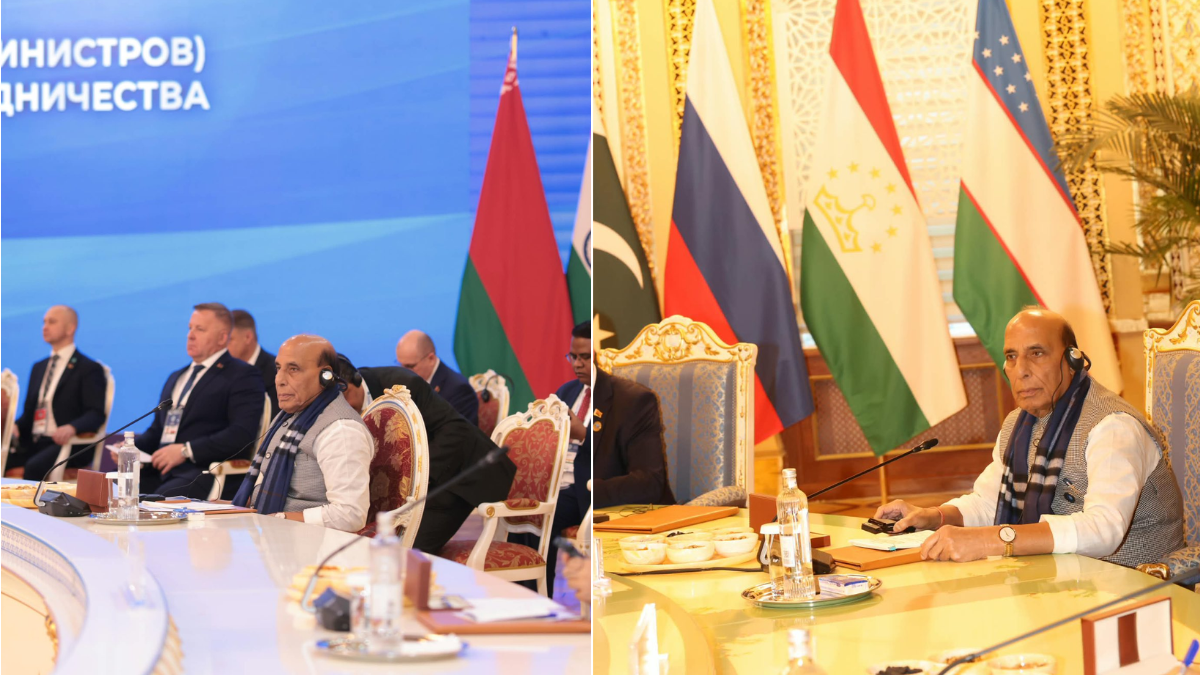
New Delhi: The defence minister, Rajnath Singh, on Tuesday urged Shanghai Cooperation Organization (SCO) members to dismantle the networks that finance, support and shelter terrorist groups. He called for a united response and warned against applying different standards when tackling the threat.
“There can be no justification for terrorism, no double standards in addressing it, and no place for those who finance, support, or provide safe havens to terrorists,” Singh said at the 25th SCO council of heads of government meeting in Dushanbe, Tajikistan.
He said terrorism claims innocent lives, disrupts investment and commerce, fuels radicalization and deprives young people of opportunities. He also urged the organization to turn its commitments on security and development into concrete action.
The minister also warned that regional connectivity cannot come at the expense of national sovereignty. He said projects must be developed through consultation and respect for the sovereignty and territorial integrity of all countries, adding that initiatives that disregard these principles would not be sustainable.
He said India supports the International North-South Transport Corridor and Chabahar Port to connect Central Asia with wider markets. He called for simpler customs procedures, digital documentation, improved logistics and compatible digital systems to reduce the cost of cross-border trade.
With geopolitical tensions disrupting supply chains and raising concerns over food and energy security, Singh called for stronger trade and investment links among SCO members. He reaffirmed India’s support for the action plan for the multilateral trade and economic cooperation programme for 2026–2030.
The defence minister also stressed that economic cooperation must deliver benefits beyond governments and large businesses. “Our success should be measured by the opportunities we create for youth, new markets we open for our entrepreneurs, technologies we make available to our farmers and small-scale business owners, and the connections we foster among societies,” he said.
He cautioned that creating more institutions would not necessarily lead to better results. New SCO mechanisms, he said, should address clearly identified needs, avoid duplication and provide practical value to member states. Singh welcomed the decisions to establish the universal centre in Tashkent and the antidrug centre in Dushanbe as permanent bodies, stressing the importance of coordination and timely implementation.
Highlighting India’s development experience, the defence minister pointed to digital public infrastructure, financial inclusion, the startup ecosystem and women-led development. He also cited the International Solar Alliance, the Coalition for Disaster Resilient Infrastructure, Mission LiFE and the Global Biofuels Alliance as initiatives supporting clean energy, climate resilience and sustainable development.
He referred to a symposium on financing infrastructure projects in Central Asia held in Mumbai earlier this month and acknowledged the first SCO Asian economic dialogue. He invited member states to participate in the first SCO Civilizational Dialogue Forum, which India will host later this year.
The meeting reviewed cooperation in trade, transport, finance, the digital economy and social development. Delegation heads adopted a joint communiqué, the SCO budget for 2027, financial and administrative decisions, and the action plan for multilateral trade and economic cooperation for 2026–2030.