

Why is Alberta voting on independence from Canada? What to know
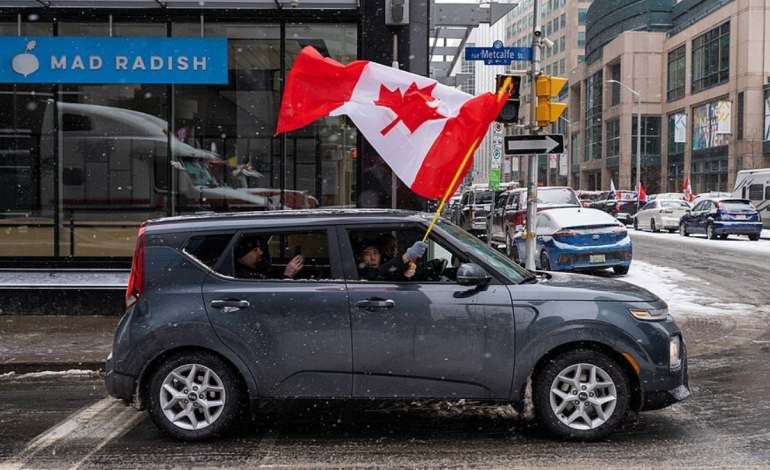
Representational image. (Image courtesy: Wikimedia)

New Delhi: Alberta, a major oil-producing province in western Canada, will vote on October 19 on whether to remain part of Canada or begin the process of holding a future referendum on independence. The vote will not make Alberta an independent country. It will not determine if the province should separate but if the provincial government will have to undergo the legal process of holding a referendum to separate.
The referendum occurs at a time when there is increasing discontent among some people in Alberta with the policies of the federal government, especially those concerning the oil and gas sector. Those supporting the push for independence feel that the federal government wields too much power over the natural resources of Alberta.
What are people voting for?
Voters will have two options, first they can support Alberta remaining part of Canada or ask the provincial government to begin the legal process for a future, binding referendum on independence.
If voters choose the second option, Alberta will not become independent immediately. The government will have to take further legal and constitutional steps before a final decision can be made. Alberta premier Danielle Smith has mentioned that another vote might occur as soon as 2027.
According to media reports, there are a total of 10 questions in the ballot paper, and nine of these deal with problems like immigration and access to public facilities and the restructuring of the Canadian political system. However, the one question that seems to attract the most attention is the independence question.
Why does Alberta want to separate from Canada?
Alberta is home to a substantial oil and gas sector, which makes an important contribution to its economy. Secessionists point out that the Canadian government’s environmental regulations and the delays of pipeline construction have hampered Alberta’s energy development.
They also believe Alberta contributes more money to the federal government than it receives in return. Some want complete independence, while others see the referendum as a way to pressure Ottawa into changing its policies.
The movement has also attracted people who opposed Covid 19 restrictions and believe the federal government has too much power. However, not all supporters agree on what should happen next or whether Alberta should eventually become a separate country.
Recent opinion polls suggest that most Albertans want to remain part of Canada. According to the BBC, a Leger poll published in October found that around 70 per cent supported staying in Canada, while just over 20 per cent backed starting the process for a future independence referendum. The remaining respondents were undecided.
An Alberta court blocked earlier effort after first nations groups raised concerns about the lack of consultation over a decision that could affect Indigenous lands and treaty rights.
Smith’s government later introduced the current referendum question. She has supported holding the vote but has said she wants Alberta to remain part of Canada.
How much could independence cost Alberta?
Separating from Canada would involve major financial and legal challenges. Alberta would have to work out how to manage its finances, trade, currency, pensions and public services, as well as its relationship with the rest of Canada.
According to the Guardian, a study by the University of Calgary’s School of Public Policy estimated that Alberta’s separation from Canada could cost the province between C$50 billion and C$170 billion over its first five years.
There are also questions about how Alberta would handle its existing constitutional arrangements and the rights of first nations communities. A vote in favour of starting the process would therefore be only the beginning of a much longer process.
What happens after the vote?
If voters choose to remain in Canada, Alberta will continue as a Canadian province under the current arrangement. If they support moving towards independence, the provincial government could begin the legal process for a future binding referendum.
Even then, independence would not be guaranteed. Further legal steps and negotiations would be needed before Alberta could separate from Canada.
The result will also show how much support the separatist movement has gained and could affect future discussions between Alberta and the federal government over energy, taxation and provincial powers.
How are Donald Trump and the US involved?
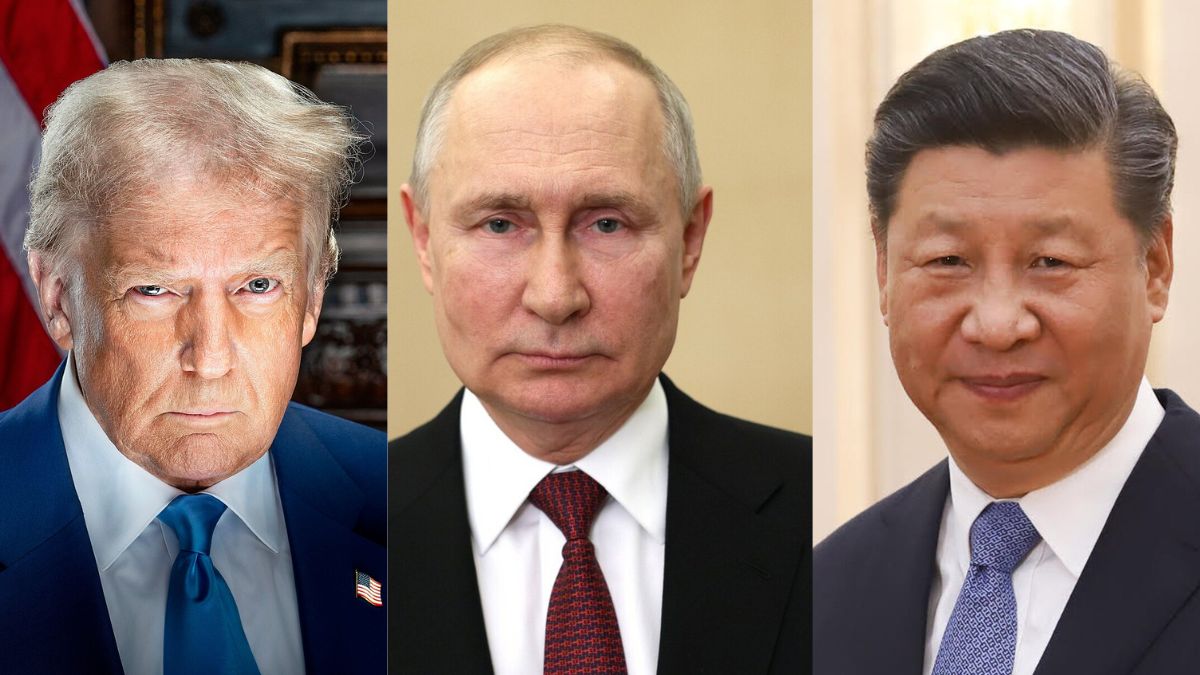
The vote comes amid growing trade tensions between the Canadian prime minister, Mark Carney, and the United States president, Donald Trump. According to RNA Media, Trump has threatened tariffs on Canadian goods and urged Canadian companies to move production to the US. Carney has warned that outside forces are trying to weaken Canada and has urged Albertans to remain part of the country.
According to Reuters, Alberta separatists met US state department officials in January to discuss how Washington might respond if Alberta became independent. Separatist leader Jeff Rath also raised the idea of a new oil pipeline from Alberta to the US.
Some separatists want Alberta to become an independent country rather than join the US. However, American officials said the meetings did not involve any promise of support.