

Why China may not attack Taiwan in 2027 despite Xi’s military target
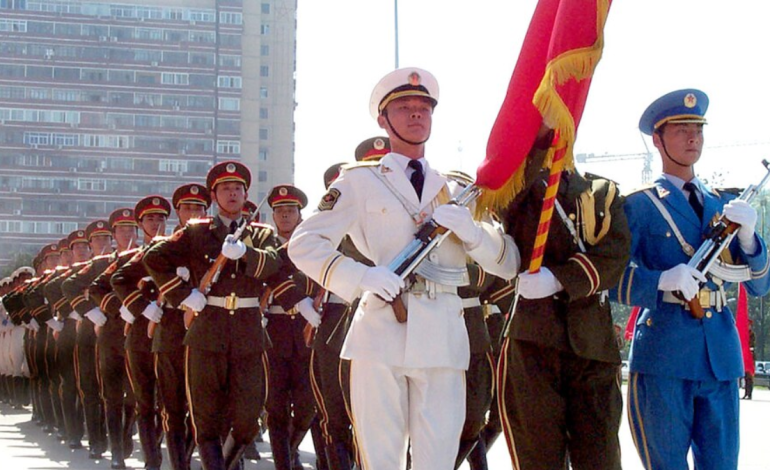
Representational image. (Image courtesy: Wikimedia)

New Delhi: China may not be preparing to attack Taiwan as early as 2027, despite the Chinese president, Xi Jinping, target for the Chinese military to be ready for a possible operation against the island by then. The United States officials now believe Beijing could wait until after Taiwan’s 2028 presidential election before deciding whether to use force.
There have been reports about China preparing for a possible Taiwan operation by 2027. However, Beijing has never publicly announced that it plans to invade Taiwan in 2027.
According to Reuters, the latest updates are based on discussions with two current US officials, a former US official and another person familiar with the matter. They said delays in China’s military preparations, partly due to Xi’s anticorruption campaign, could delay any attack. Beijing may also wait for Taiwan’s 2028 election results before deciding its next move.
Why China wants Taiwan
China considers Taiwan part of its territory and has made reunification a major national goal. Beijing has continued to call for peaceful reunification but has also refused to rule out military action. Taiwan has been separately governed since 1949 and has its own elected government, military and political system. It rejects Beijing’s sovereignty claim and says the island’s future should be decided by its people.
The Taiwan’s president, Lai Ching-te, and his Democratic Progressive Party (DPP) support Taiwan’s separate political identity, a position that has repeatedly drawn criticism from Beijing. China considers the Taiwan issue a matter of sovereignty and territorial integrity.
What the 2027 target actually means
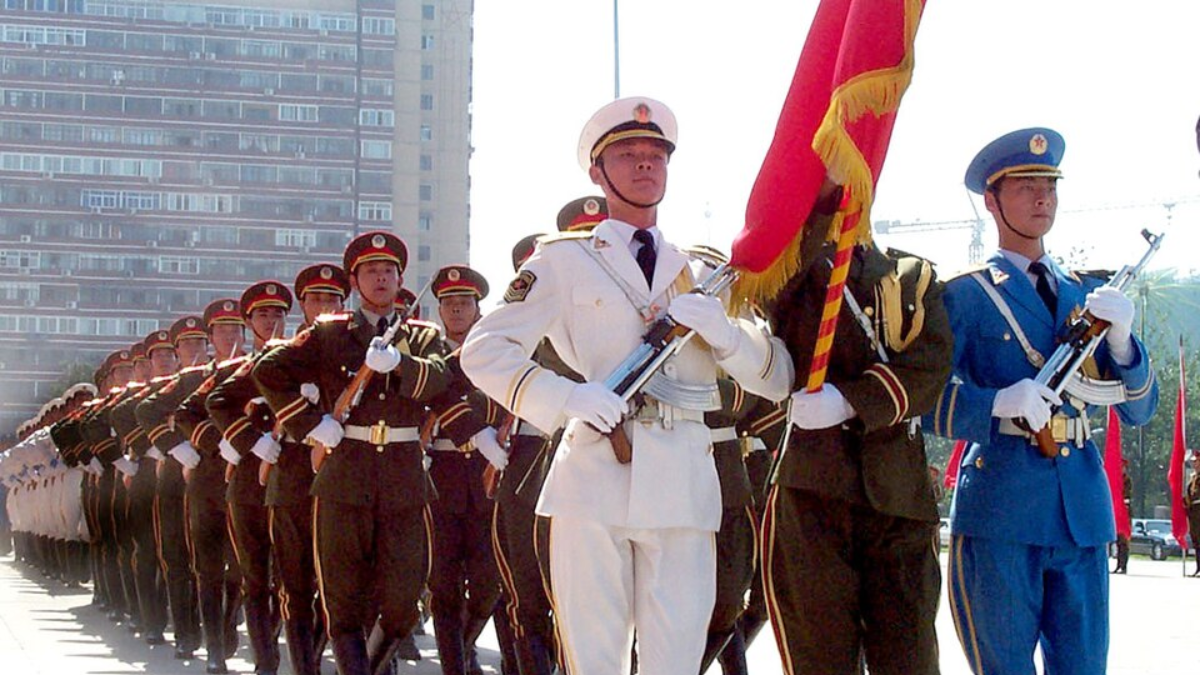
Xi has directed the Chinese army to develop the capabilities needed for a possible Taiwan operation by 2027. The year is significant because it marks the 100th anniversary of the PLA’s founding. US officials and security analysts have generally treated the target as a military preparedness goal, rather than evidence that Xi has already chosen 2027 as the year for an invasion.
The latest assessment suggests that China still has some military preparations to complete. An attack on Taiwan would require Chinese forces to cross the Taiwan Strait with large numbers of troops and weapons and fight Taiwanese forces to take control of the island.
Anticorruption campaign affects PLA
China’s military preparations have also been taking place alongside Xi’s extensive campaign against corruption and violations of discipline. The campaign has reached the PLA, with a number of senior military officials investigated, removed or expelled. The changes have also affected China’s top military leadership.
US officials believe the crackdown has disrupted some of the military’s preparations and contributed to delays. They said China’s military did not accomplish as much as it may have intended last year.
Chinese military exercises around Taiwan were also smaller in 2025 than some drills conducted in earlier years. Activity increased again this year, but the official said Chinese military leaders were believed to have concerns about their level of readiness.
Lessons from recent wars
China is also studying recent conflicts as it develops plans for a possible Taiwan operation. One US official said Chinese military planners may have taken lessons from the wars in Ukraine and Iran, particularly about the need to move quickly at the beginning of a conflict. The concern is that a prolonged operation could create additional military and political problems for Beijing.
A Taiwan conflict would also be more complicated because of the possibility of US involvement. Washington is Taiwan’s main international security partner and weapons supplier, despite having no formal diplomatic relations with Taipei.
Taiwan election could influence Beijing
Taiwan’s presidential election in 2028 could give Beijing another factor to consider. The DPP is seeking a fourth consecutive term, and US officials believe Beijing may become more willing to consider military force from 2028 onwards if the party remains in power.
Lai, who took office in 2024, could seek another term. His government has focused on strengthening Taiwan’s defence capabilities and maintaining ties with the US and other democratic partners.
Taiwan’s presidential office has said that the island will continue to strengthen its self-defence and work with international partners to maintain the status quo. It has also said Taiwan will not give up its commitment to democracy and freedom because of military pressure from China.
Beijing may also watch US election
The 2028 US presidential election is another development that Beijing could take into account. US officials, however, have different views on how important the outcome would be to China.
Some people familiar with the matter said Beijing could assess whether American voters are becoming less willing to support US military involvement overseas. Another US official said China may see both Democrats and Republicans as broadly aligned on Taiwan. The official said this could make the US election less important to Beijing than it might have been 15 years ago.
The United States president, Donald Trump, has also previously played down the possibility of a Chinese attack on Taiwan during his presidency. Trump said last year that Xi had told him China would not invade Taiwan while Trump was in office.
After meeting Xi in Washington last week, Trump said Taiwan was discussed during their talks but did not provide further details.