US says it won’t intervene in Yemen-Saudi Arabia conflict after talks with Houthi leaders
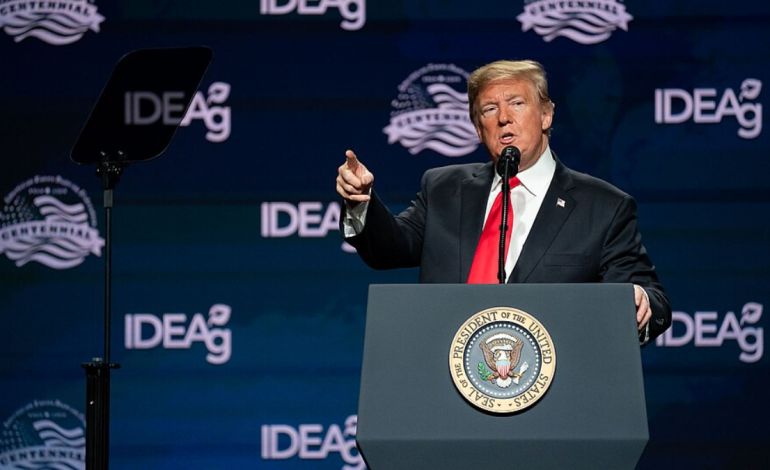
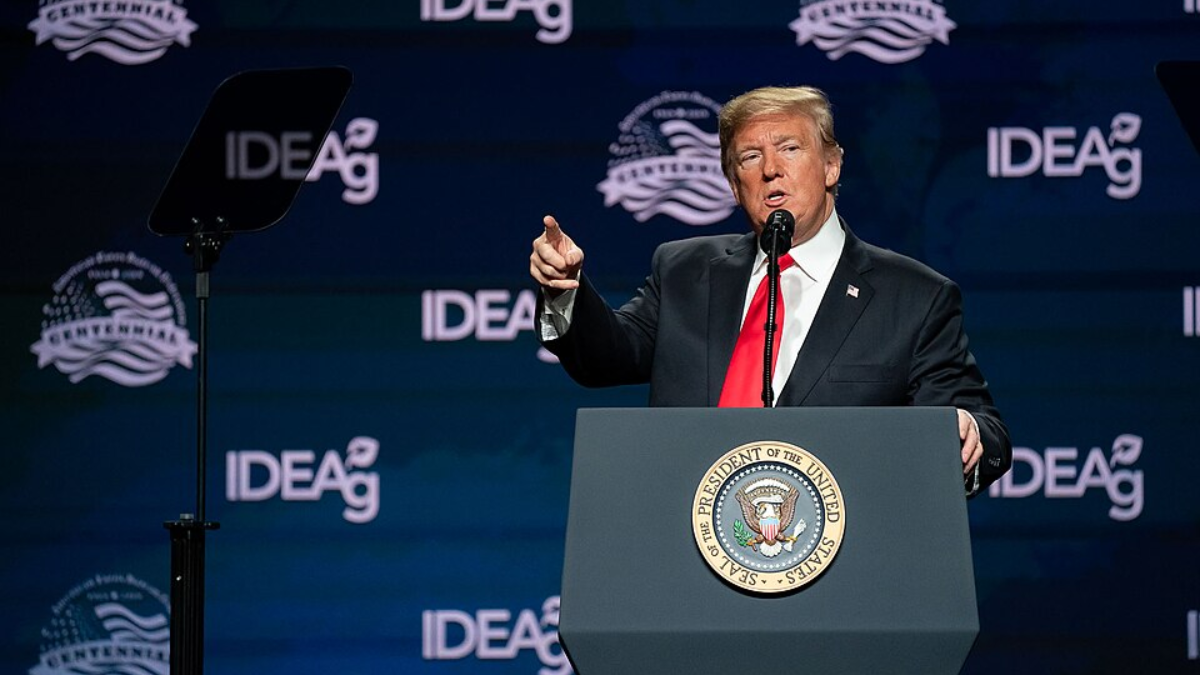
The United States president, Donald Trump. (Image courtesy: Wikimedia)

New Delhi: The United States has held direct discussions with representatives of Yemen’s Houthi movement in Oman as tension between the group and Saudi-backed forces intensifies along the Red Sea coast. The previously undisclosed meeting in Muscat comes as Washington has so far stopped short of joining Saudi Arabia’s military activity against the Houthis.
The discussions reportedly took place at the US embassy in Muscat over the weekend, with Oman helping facilitate the contact. The Houthi side is said to have assured Washington that the ceasefire reached with the US in 2025 remains in place and that American vessels would not be targeted, Reuters reported.
The reported understanding is significant because the Houthis have expanded their control along Yemen’s western coastline and around the strategically important Bab al-Mandab Strait. The waterway connects the Red Sea with the Gulf of Aden and is a major route for international commercial shipping.
The United States vice-president, JD Vance, has separately confirmed that Washington is maintaining direct communication with the Houthis. The United States president, Donald Trump, has also said the group had approached his administration and asked the US to stay out of the conflict in Yemen.
Washington’s position leaves Saudi Arabia facing the Houthi advance largely on its own, despite Riyadh seeking American assistance. The US has reportedly limited its involvement to forms of support such as intelligence while avoiding direct military action against Houthi forces.
The latest escalation follows a rapid Houthi offensive that has pushed Saudi-backed forces out of parts of western Yemen. The movement’s expanding presence near the Red Sea has increased concerns over the security of shipping through the Bab al-Mandab, particularly as the wider Middle East remains affected by the conflict between the US, Israel and Iran.
The situation became more sensitive after Saudi Arabia said its air-defence forces intercepted a Houthi drone south of Mecca on September 15 before it entered the holy city’s restricted airspace. Riyadh described the incident as a serious escalation and said the security of Mecca and the other Islamic holy sites was a red line.
According to RNA Media reports, Houthis have rejected Saudi Arabia’s accusation and denied targeting Mecca. The group has also made separate claims of attacks against Saudi military and energy infrastructure, including an alleged strike on an Aramco facility and the reported downing of a Saudi F-15. Those claims have not been independently confirmed.
The confrontation is also putting pressure on Saudi Arabia’s wider defence resources. Riyadh is seeking assistance from regional and Western partners as the conflict places additional demands on its air-defence capabilities, while the US remains reluctant to open another direct military front.
The Red Sea crisis is unfolding alongside a broader effort by regional powers to coordinate their response to the conflict with Iran. Senior military commanders from the US, Israel and eight Arab countries reportedly held a private meeting in Germany last week, according to Axios. The gathering included representatives from Saudi Arabia, the UAE, Bahrain, Kuwait, Qatar, Jordan and Egypt.
China, meanwhile, is pushing for diplomacy as instability threatens major energy and shipping routes. The Chinese foreign minister, Wang Yi, told his Iranian counterpart Abbas Araghchi during talks in Beijing that Iran and the US should exercise restraint and return to negotiations, while also calling for the reopening of the Strait of Hormuz.
For Washington, the Houthi contacts offer a way to address the immediate threat to Red Sea navigation without committing American forces to another major battlefield. For Saudi Arabia, however, the expanding Houthi presence on its southern flank creates a difficult choice between pursuing a political arrangement with the group and seeking broader regional military support.
The outcome could have consequences beyond Yemen. Any prolonged disruption around Bab al-Mandab would add another layer of pressure to global shipping and energy markets already affected by instability around the Strait of Hormuz. The two chokepoints are central to trade between the Middle East, Asia, Europe and Africa.