
US, Iran resume talks in Switzerland as Strait of Hormuz, Lebanon cloud fragile ceasefire
Illustration for representation.

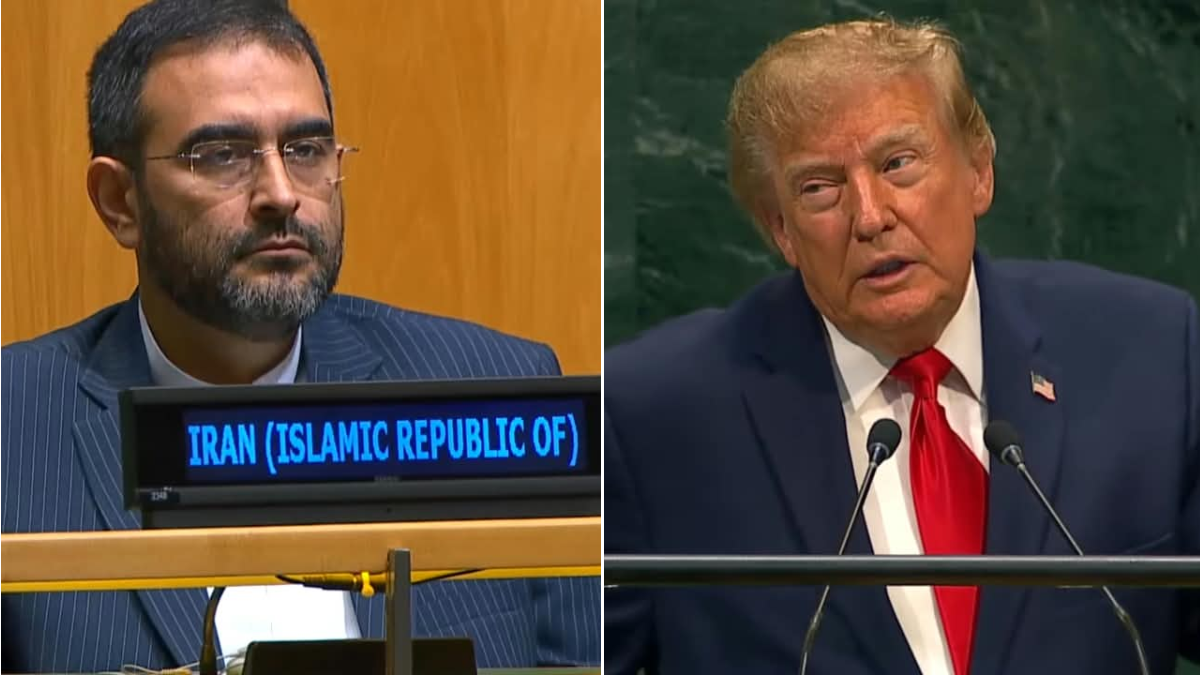
New Delhi: The US vice-president, JD Vance, arrived in Switzerland early Sunday for talks aimed at advancing a broader settlement between Washington and Tehran, days after both sides signed an initial agreement intended to halt hostilities and create a framework for a permanent accord. Earlier on Saturday night, an Iranian delegation led by the country’s parliament speaker, Mohammad Bagher Ghalibaf, and the foreign minister, Abbas Araghchi, reached Switzerland ahead of the negotiations.
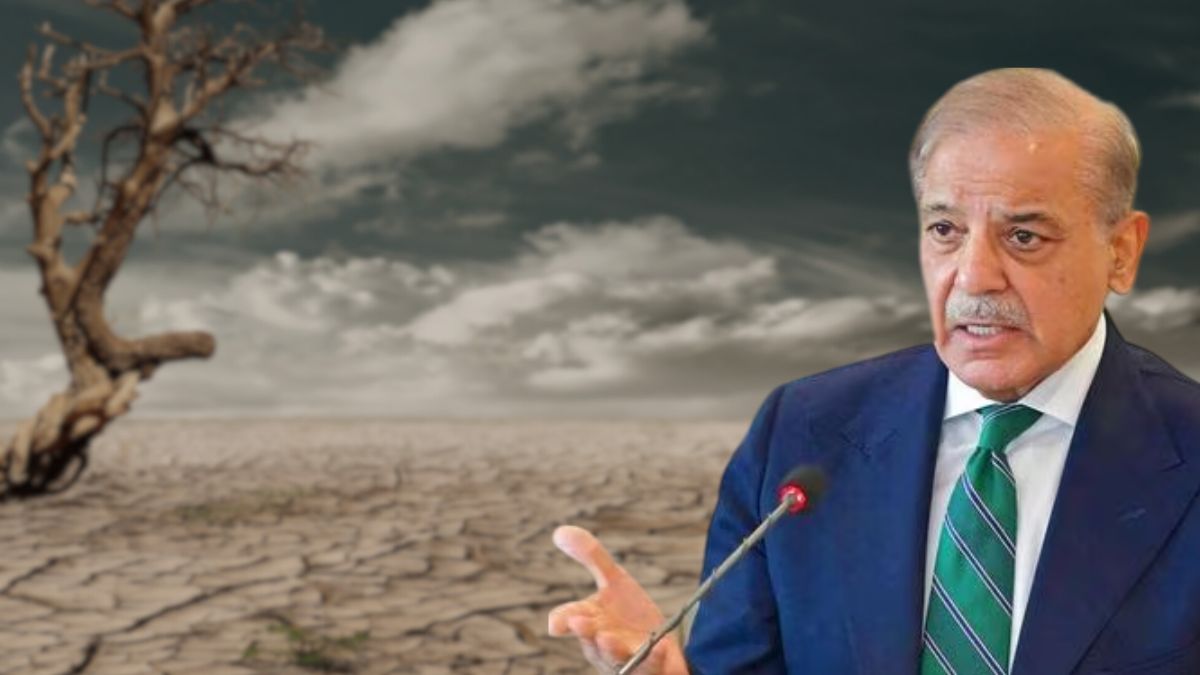
The talks are also expected to feature participation from the prime minister of Pakistan, Shehbaz Sharif, and Pakistan’s army chief, Asim Munir. Islamabad has played a prominent mediatory role throughout the conflict and previously hosted negotiations between the United States and Iran.
In a statement ahead of the meeting, Pakistan’s foreign ministry said the country remained committed to supporting implementation of the understandings reached between Tehran and Washington and would continue facilitating efforts towards a durable settlement.
Focus on nuclear programme and Lebanon
Speaking before departing for Switzerland, Vance said he hoped the negotiations would yield progress on both Iran’s nuclear programme and the situation in Lebanon, where a ceasefire remains fragile despite a broader US-Iran agreement.
Referring to the security situation along the Israel-Lebanon border, he said conditions appeared to be improving, though sustained diplomatic engagement would be required to ensure stability and prevent renewed escalation.
The latest diplomatic push follows an agreement signed earlier this week by the presidents of the United States and Iran, aimed at ending hostilities immediately and opening a 60-day window for negotiations on a comprehensive settlement.
However, the process has already encountered significant challenges, particularly in Lebanon, where fighting between Israel and the Iran-backed Hezbollah movement continued even after the broader agreement was announced.
Iranian foreign ministry spokesman Esmail Baghaei said Tehran would insist that all parties honour their commitments under the agreement.
Lebanon violence threatens diplomatic momentum
As RNA Media reported on Saturday, despite diplomatic efforts, violence in Lebanon has continued to exact a heavy toll.
According to Lebanon’s health ministry, at least 47 people were killed on Saturday in a series of Israeli air strikes across the country. The Israeli military said it had targeted 80 Hezbollah-linked sites and killed dozens of militants during the operations.
The Israel Defense Forces also reported the deaths of four Israeli soldiers.
Although Israel and Hezbollah continued exchanging fire in the days following the announcement of the US-Iran understanding, an immediate ceasefire between the two sides was confirmed on Friday.
Before the agreement was reached, Israel had repeatedly stated that its campaign against Hezbollah was distinct from the wider conflict involving Iran and had indicated no intention of withdrawing forces from Lebanon.
Hezbollah, meanwhile, accused Israel of attempting to undermine diplomatic efforts by continuing military operations after the ceasefire announcement.
The United States has publicly criticised ongoing Israeli strikes in Lebanon, arguing that they risk jeopardising the broader peace process.
The conflict has imposed a severe humanitarian cost on Lebanon. According to official figures from Beirut, more than 4,000 people have been killed since hostilities between Israel and Hezbollah resumed on March 2.
Hormuz closure claim sparks global concern
Adding to the uncertainty, Iran’s Islamic Revolutionary Guard Corps claimed that Israeli operations in Lebanon constituted a violation of ceasefire commitments and announced that the Strait of Hormuz had again been closed.
Tehran argued that Washington had failed to implement the first provision of a 14-point memorandum of understanding signed by the two countries. The clause reportedly calls for the immediate and permanent cessation of military operations across all fronts, including Lebanon.
Iranian authorities therefore justified the renewed closure of the strategic waterway as a response to what they described as non-compliance with the agreement.
The claim was swiftly challenged by the United States.
A spokesman for the US Central Command said maritime traffic through the strait remained uninterrupted and that American forces were monitoring the situation to ensure freedom of navigation.
US officials also stressed that Iran does not exercise unilateral control over the waterway.
According to Central Command, 55 merchant vessels carrying more than 17 million barrels of oil transited the strait on Saturday alone.
Commercial shipping data appeared to show continued tanker movements through the area, although some vessels reportedly altered course or turned back amid uncertainty over the security situation.
Strategic chokepoint for global energy markets
The Strait of Hormuz remains one of the world’s most critical maritime chokepoints. Connecting the Persian Gulf with the Gulf of Oman and the Arabian Sea, it serves as the principal export route for crude oil and liquefied natural gas from several major Middle Eastern producers.
Iran had previously disrupted passage through the strait following US and Israeli military action against the country in late February, triggering volatility in global energy markets and raising concerns among major energy-importing nations.
According to estimates from the US Energy Information Administration, roughly 20 million barrels of oil and petroleum products passed through the waterway daily in 2025, accounting for a substantial share of global seaborne energy trade.
The latest dispute over the strait underscores the fragility of the emerging US-Iran détente. While negotiators gather in Switzerland seeking a broader settlement, continued instability in Lebanon and uncertainty surrounding one of the world’s most important energy corridors threaten to complicate efforts to secure a lasting peace.