

US intelligence raises alarm on Israeli spying, spyware on phone triggers assessment
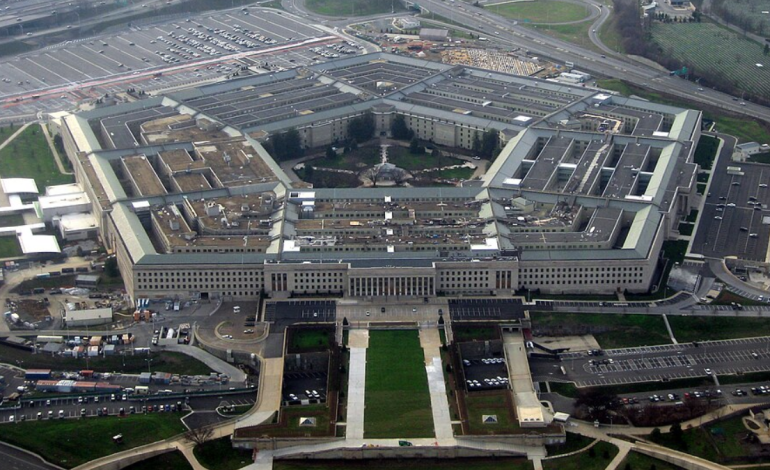
DIA flags alleged Israeli spy threat as US-Iran negotiators face surveillance concerns (Image courtesy: Wikimedia)

New Delhi: Israel has allegedly expanded its spying efforts to cover American negotiators in the Iran war, an issue that has raised the hackles of the US, which designated the espionage threat from Tel Aviv to the highest “critical” level. The concerns from the Pentagon were reported after US defence personnel in Israel discovered their phones had spy software installed to monitor communications.
First reported by NBC News and then followed up by multiple outlets, including the New York Times and Al-Jazeera, the concerns were voiced by the Pentagon as part of its counterintelligence threat assessment against the backdrop of the Iran war. The Pentagon’s Defence Intelligence Agency (DIA) had in recent weeks issued its latest counterintelligence threat assessment reports, amid reports of misunderstandings between US president Donald Trump and Israeli prime minister Benjamin Netanyahu over the way forward in the West Asian conflict with Iran.
An internal message from the DIA raised the level of the threat from Israeli spy agencies to “critical,” the report claimed, citing a US official who had viewed the assessment, NBC News reported. The DIA report, the New York Times said, was drafted after US defence personnel in Israel discovered that software allegedly capable of monitoring communications had been installed on their phones.
Israel is the US’s top ally in West Asia. The two nations had jointly attacked Iran on February 28 after the American negotiations with Iranian officials at multiple locations on abandoning Tehran’s nuclear programme had come a cropper in late February. The war, which was expected to end within days, had dragged on for over four months now, and a ceasefire announced in early April has held in place. In the two months since, US negotiators have held peace talks with their Iranian counterparts, once in Islamabad in mid-April, hosted by Pakistan, and later through intermediaries, but without results.
White House, Israeli embassy reject spying report
The White House downplayed the spying threat assessment on Israel. “This entire story is false and sourced to someone who doesn’t have any knowledge of what’s going on,” a White House statement said. Rejecting the accusations, the Israeli embassy in Washington said in a statement that the report was “completely false.” An embassy spokesperson said, “Israel does not gather intelligence on American entities, let alone US government officials.” Israel’s intelligence collection efforts “are aimed at its enemies, not its allies,” and “any claims to the contrary are either misinformed or politically motivated,” the spokesperson added.
The DIA, in a seven-page document featuring a chart, assessed that Israel’s ability to carry out human espionage and technical intelligence collection was at a “critical level,” raised from its previous “high” category. It quoted a series of specific instances that increased the threat to the US’s negotiations with Iran on a peace deal, particularly Steve Witkoff, the president’s top negotiator, Elbridge Colby, the Pentagon policy chief, and Michael DiMino, his deputy.
The assessment came days after Trump and Netanyahu had a tense phone call when the two leaders clashed over agreeing to a peace deal with Iran without achieving the intended objectives of the war, including on the Iranian nuclear programme. Also, a matter of contention between the US and Israel is the continuing Israeli military operations in Lebanon against Hezbollah during the ceasefire period.
While it is common knowledge in geopolitics that all nations spy on both their enemies and friends, Israel’s particular interest in knowing the American policy and the decision-makers’ views on the Iran war could be attributed to Trump’s indecisiveness on whether to end the war or to resume military operations against the recalcitrant Tehran. Trump is also under pressure to end the Iran war, as a prolonged military conflict would adversely impact the Republican Party in the upcoming elections in the US on November 3.