


US Court Rejects Trump H-1B Visa Fee Hike, Rules $100,000 Charge Unlawful
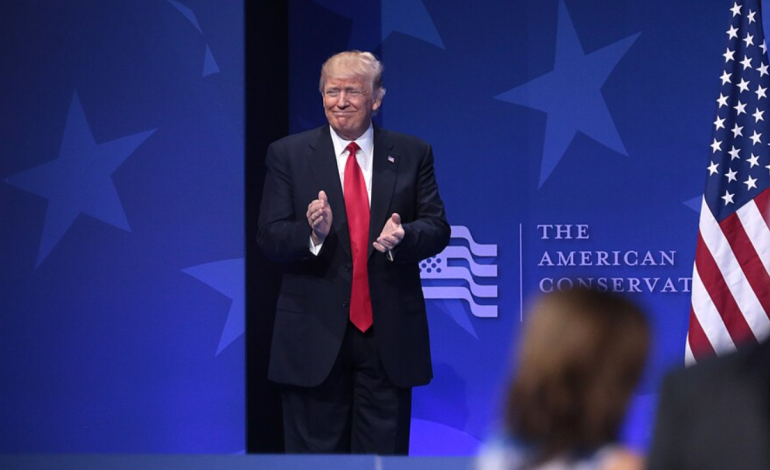
Trump signals largest strikes. (Image courtesy: Wikimedia)

New Delhi: US federal court on Monday has struck down President Donald Trump’s $100,000 fee on new H-1B visas, ruling that the administration lacked the authority to impose the charge without approval from Congress.
US District Judge Leo Sorokin ruled that the fee was effectively a tax rather than a penalty. Since only Congress has the power to levy taxes, the court declared the policy unlawful and ordered it to be scrapped.
The ruling came in response to a lawsuit filed by 20 Democratic state attorneys general challenging the measure announced by the Trump administration in September.
The H-1B visa programme is a key route for US companies to recruit highly skilled foreign workers, particularly in technology, engineering, healthcare and research sectors. Each year, 65,000 H-1B visas are issued, along with an additional 20,000 visas for applicants holding advanced degrees from US institutions.
Trump had defended the move by arguing that some employers were misusing the programme to replace American workers with lower-paid foreign labour. The proclamation claimed the system had been exploited in ways that weakened wage growth and harmed national economic interests.
Impact on H-1B applications
However, data submitted in court suggested the policy had significantly reduced employer participation. The limited employer willingness to pay the new increased fee is reflected in the fact that only 85 payments have been received by US Citizenship and Immigration Services (USCIS) under the new fee structure as of mid-February.
Why It Matters for India
The decision is significant for India which has the largest share of H-1B visa holders. The fee hike had raised concerns among Indian workers and technology companies that rely on the programme for overseas employment opportunities.
The matter was also raised during recent diplomatic engagements. External affairs minister S. Jaishankar discussed visa-related concerns with US secretary of state Marco Rubio, who acknowledged that immigration reforms could create temporary difficulties but insisted the changes were aimed at improving the overall system.
While the White House is expected to challenge the decision, the ruling represents a major setback for the administration’s efforts to reshape legal immigration through executive action. For now, employers seeking to hire foreign talent through the H-1B programme will no longer be required to pay the disputed $100,000 fee.