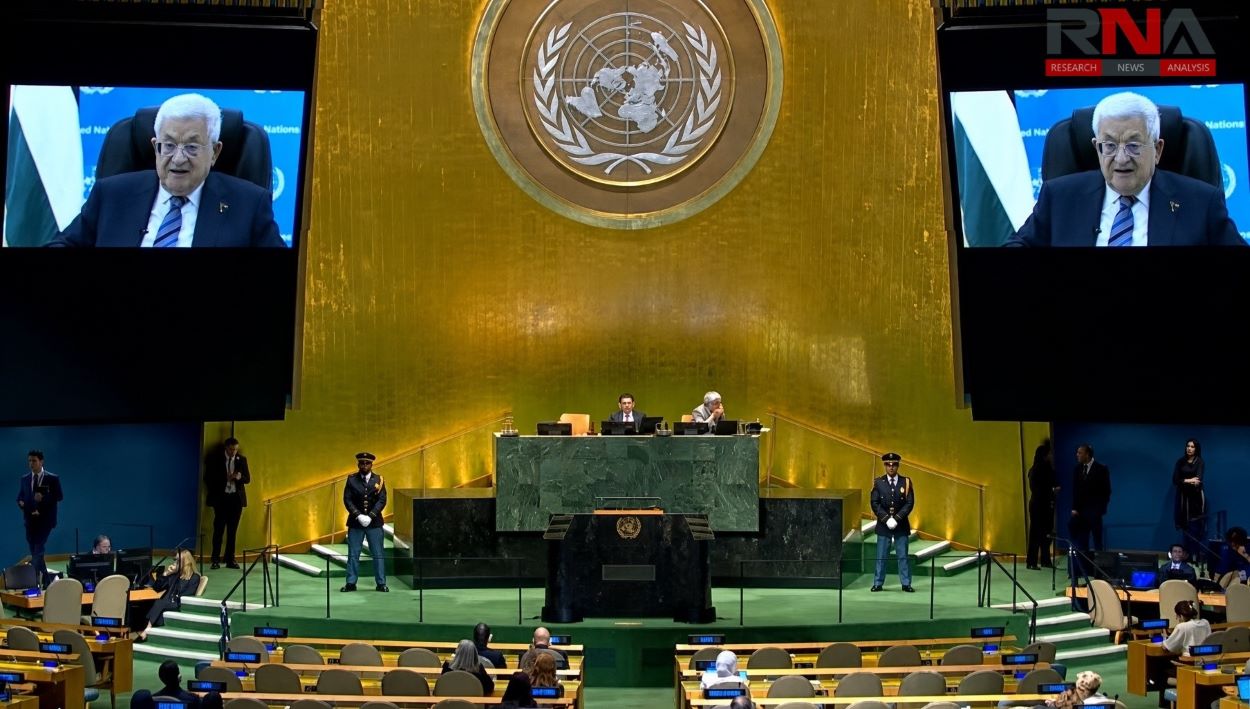
Ukraine sends captured North Korean soldiers to South Korea, Zelenskyy tells UN
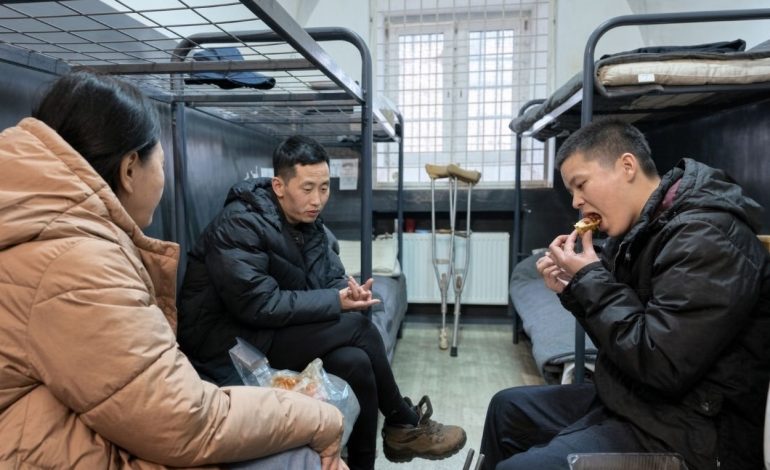
This photo released by Ukrainian military shows the two North Korean prisoner soldiers with an unknown woman in a holding cell.

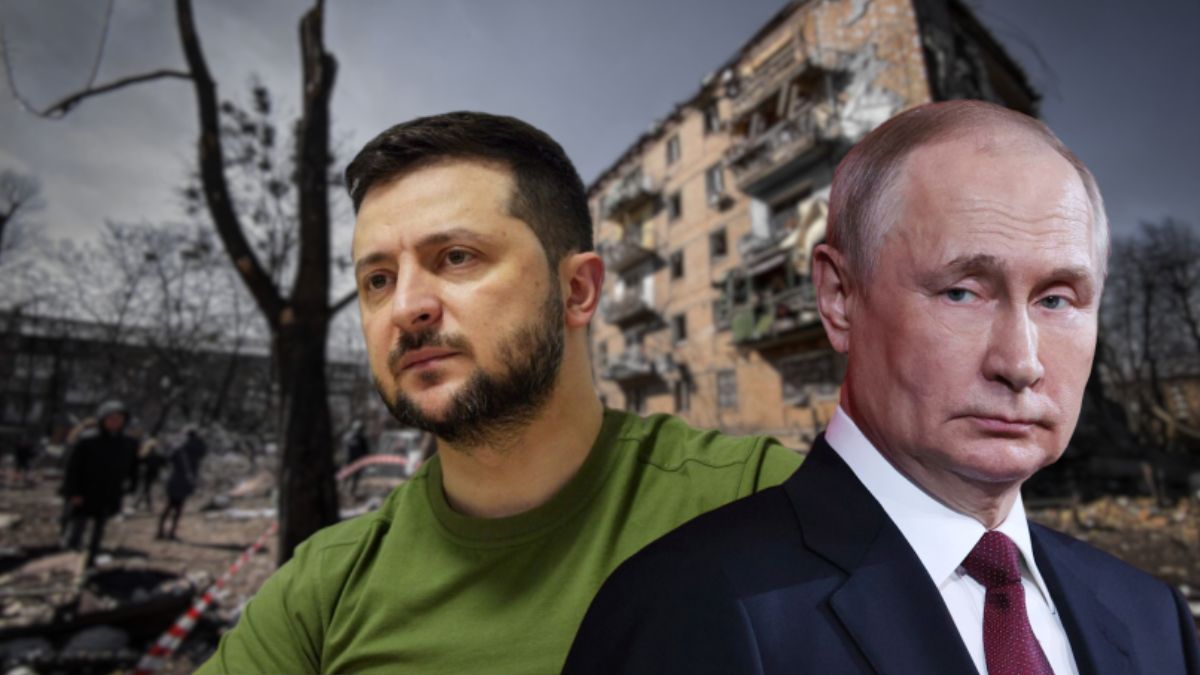
New Delhi: Ukraine has transferred two North Korean soldiers captured while fighting for Russia to South Korea, the Ukrainian president, Volodymyr Zelenskyy, told the United Nations general assembly on Wednesday. The announcement follows prolonged discussions over their future and concerns that returning them to North Korea could expose them to punishment.
South Korea’s foreign ministry declined to explicitly confirm their arrival, citing risks to the soldiers and their families. It nevertheless said Seoul had consulted Kyiv and other parties on an outcome that respected the men’s wishes, international law and humanitarian principles.
“Recently, we sent two North Korean prisoners of war to the Republic of Korea,” Zelenskyy said, using South Korea’s official name. He gave no transfer date and said one of the soldiers had attempted suicide when faced with capture.
The two men were captured in Russia’s Kursk region in January 2025, providing direct evidence of North Korean participation in Moscow’s war effort. Their capture was particularly significant because neither Russia nor North Korea had then publicly acknowledged the deployment, despite accounts from Ukrainian, South Korean and US officials.
The South Korean opposition lawmaker, Yu Yong-weon, said the men had travelled through a third country and reached South Korea several days before the announcement, according to Yonhap reporting cited by Reuters. His account has not been publicly confirmed by the government, which has withheld their location and travel arrangements.
Their destination had been the subject of diplomatic discussions since shortly after their capture. On March 17, 2025, the then South Korean foreign minister, Cho Tae-yul, told his Ukrainian counterpart, Andrii Sybiha, that Seoul would accept North Korean soldiers held by Ukraine if they wished to move to the South.
That offer established a possible route out of captivity for soldiers unwilling to return home. Seoul’s position made their own preferences central to the proposed transfer, rather than treating their nationality alone as sufficient reason to send them back.
Human rights organizations had pressed Kyiv to consider the danger of reprisals against captured North Koreans and their relatives. In an open letter dated March 11, 2025, groups including the Transitional Justice Working Group and the Citizens’ Alliance for North Korean Human Rights urged Ukraine to allow prisoners who wanted to settle in South Korea to do so.
The signatories argued that the usual expectation of returning prisoners to their home country became problematic when that country might persecute them for surrendering. They asked Kyiv to avoid involuntary transfers to either Russia or North Korea and to respect each prisoner’s freely expressed choice.
Their appeal also advanced a military argument: demonstrating that surrender could lead to safety might encourage other North Korean troops to lay down their weapons. That was a proposal from the rights groups, however, rather than evidence that the transfer of these two men had already influenced battlefield behaviour.
The case sits within a much larger military relationship between Moscow and Pyongyang. In April 2025, both countries acknowledged that North Korean troops had fought alongside Russian forces to drive Ukrainian troops from territory they had seized in Kursk.
South Korea’s intelligence service estimated at that time that approximately 15,000 North Korean soldiers had been sent to Russia since October 2024, with around 2,000 killed. Those were intelligence estimates from April 2025, rather than a verified count of the force currently deployed or its cumulative losses.
The broader concern for Seoul and Washington extends beyond the additional manpower available to Russia. They fear Moscow could reciprocate with advanced technology that strengthens North Korea’s nuclear and missile programmes, linking the European war more closely to security on the Korean Peninsula.
For the two former captives, the immediate question is protection after their transfer, with official information about their circumstances deliberately restricted. Zelenskyy’s announcement makes their destination public, but Seoul’s guarded response leaves the arrangements for their reception and eventual resettlement undisclosed.