





Trump’s Russian diesel deal sparks bipartisan revolt over sanctions and Ukraine war
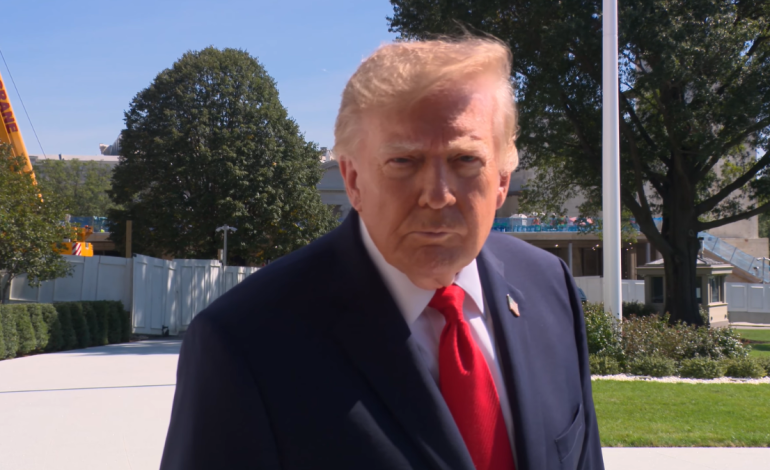
Donald Trump.

New Delhi: The US president, Donald Trump, faces mounting opposition from Republican and Democratic lawmakers over an agreement to allow Russian diesel into American and global markets, with critics arguing that it breaches import restrictions and weakens pressure on Moscow. His attempt to ease fuel prices has opened a dispute over whether relief for American consumers will provide fresh revenue for Russia’s war against Ukraine.
Seven senators demanded a reversal on October 11, 2026, saying the arrangement contradicted Congress’s 2022 ban on Russian energy imports. In a joint statement published by the Senate foreign relations committee, they also accused the administration of failing to consult Congress or provide the explanation required by law.
The signatories included Republicans Susan Collins, Lisa Murkowski, Thom Tillis and John Curtis, alongside Democrats Jeanne Shaheen, Richard Blumenthal and Ron Wyden. Their objection concerns both the legality of the imports and the consequences of restoring energy earnings to Russia while its attacks on Ukraine continue.
Trump announced the agreement on Friday, following a telephone conversation with the president of Russia, Vladimir Putin. The proposed deliveries begin with more than 300,000 tonnes of diesel, followed by 500,000 tonnes in November and another one million tonnes thereafter.
A further three million tonnes would follow, although Trump linked that supply to the condition of Russian refineries damaged by Ukrainian attacks. Russia’s deputy prime minister, Alexander Novak, confirmed the announced volumes to the state news agency Tass and said exports could eventually reach three million tonnes a month.
The administration has already established a sanctions exemption through the Treasury’s Office of Foreign Assets Control. Its general licence issued on Friday, authorizes otherwise prohibited transactions involving the sale, delivery, offloading and importation of Russian-origin diesel, including imports into the United States, until April 7, 2027.
The licence retains a restriction on debiting US financial institution accounts belonging to Russia’s central bank, national wealth fund or finance ministry. It therefore permits specified diesel transactions while preserving that financial restriction; the senators nevertheless contend that allowing imports conflicts with the underlying statutory ban.
The treasury secretary, Scott Bessent, rejected the lawmakers’ interpretation, saying the administration would use existing legal powers and that the agreement would lower prices. Republican senator John Barrasso also defended the decision, describing it as a difficult balancing exercise and a potential source of leverage over Putin.
The political urgency comes from a fuel squeeze affecting farming, freight transport and household costs ahead of the November 3 congressional elections. The average US diesel prices at $6.28 a gallon, following a record $6.53 in late September, as the Iran war continued to disrupt energy supplies.
Markets initially welcomed the prospect of additional supply, with US diesel futures falling almost 5% after the announcement. However, Reuters reported that analysts doubted the agreement would produce lasting price reductions: the initial shipment represents roughly 2.25 million barrels, compared with US diesel exports of about 1.5 million barrels a day.
The president of Ukraine, Volodymyr Zelenskyy, criticized the agreement, warning that rewarding Putin would encourage further attacks rather than bring peace. Wood Mackenzie analyst Jim Mitchell offered a more limited assessment of its economic value, describing the additional diesel as useful for a strained market but insufficient to resolve the shortage.
The controversy also has implications for India and other purchasers of Russian energy. The agreement follows legislation empowering Trump to impose sweeping sanctions and 100% tariffs on Russia’s leading oil and gas trading partners, including India and China – placing Washington’s own diesel exemption alongside its pressure on other buyers.
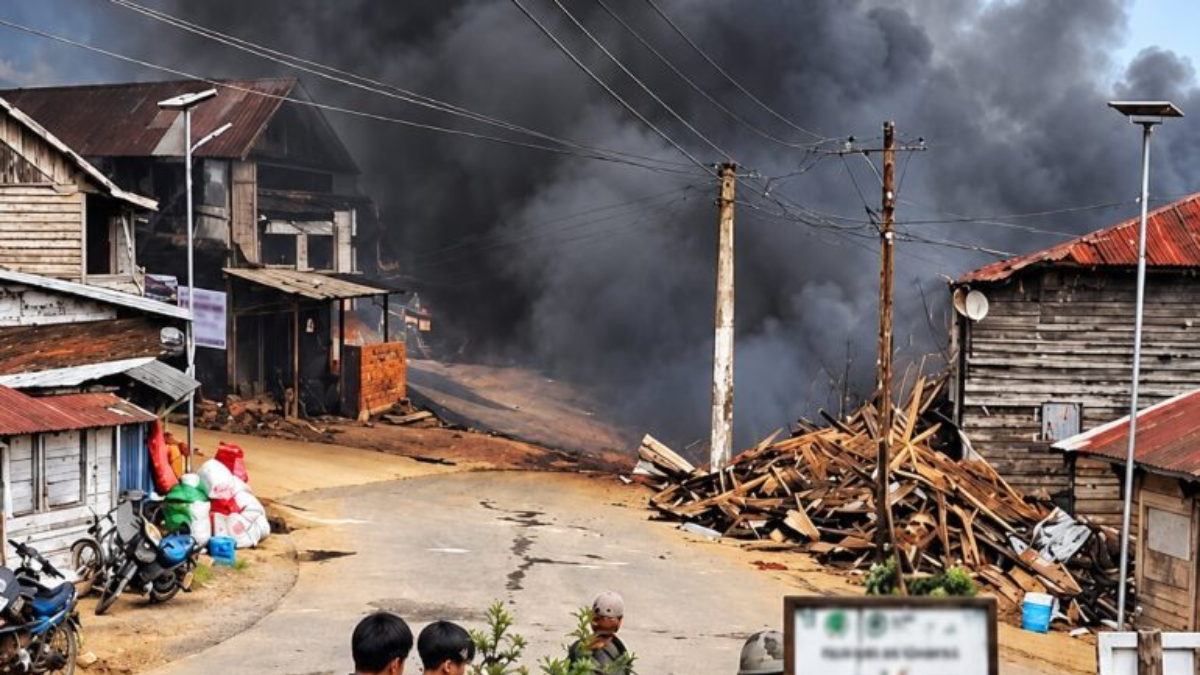
Meanwhile, Trump announced an immediate “energy ceasefire” between Russia and Ukraine on October 11 without publishing detailed terms. Its implementation remained uncertain on Monday, when Ukrainian officials reported further Russian attacks on energy facilities, including a site near Kharkiv.
Zelenskyy said Ukraine was ready to stop striking Russian refineries if Moscow halted attacks on Ukraine’s energy system. With Russia not immediately commenting on the purported agreement, the promised fuel relief remains tied to an uncertain supply schedule and an unproven pause in attacks on the infrastructure needed to sustain it.



