
Trump rejects Iran peace offer as Pentagon quietly adds 37 wounded troops to tally
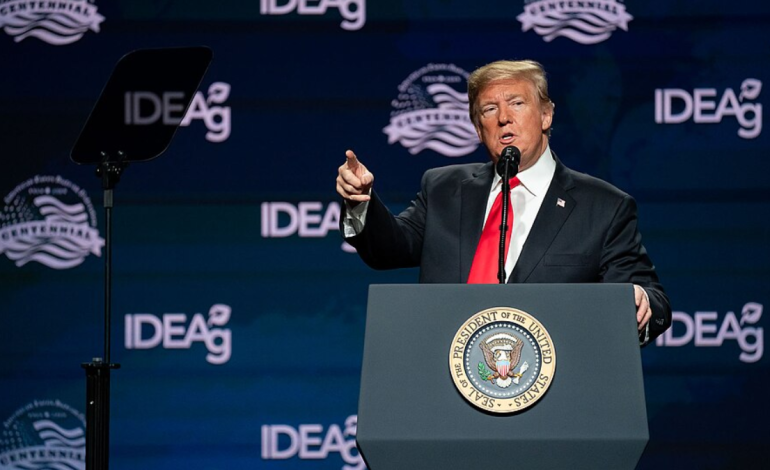
Trump rejects Iran peace offer. (Image courtesy: Wikimedia)

New Delhi: A fresh setback has emerged in efforts to end the Iran conflict, with the US president, Donald Trump, reportedly preparing for the possibility of renewed military action after the November midterm elections. The update comes as Tehran waits for Trump to respond to a proposal that could reopen the Strait of Hormuz and bring war across the region to a halt.
The Iranian plan centres on a seven-day window for restoring traffic through the strategic waterway, but it would require the US to make several changes first. Tehran has sought an end to the US blockade of its ports, access to frozen funds and relief from oil sanctions as part of the proposal.
Trump has rejected Iran’s ceasefire proposal and has told aides that he expects bombing to resume after the midterm elections, the Wall Street Journal reported. The report also said Trump remains sceptical that Tehran would accept his demands and believes Iran may come back seeking a deal after the elections that would “dismantles its nuclear program.”
The latest development follows an Iranian effort earlier reported by RNA Media, under which Tehran offered a proposal to restart negotiations with Washington. The Iranian foreign minister, Abbas Araghchi, said Qatari mediators passed the proposal during a diplomatic meeting in New York.
Under the plan, the seven-day countdown would start after Washington accepted the proposal. Iran said the arrangement would cover a halt to fighting across the region, including Lebanon.
The proposal also left the nuclear issue open for further negotiations rather than offering an immediate settlement. Araghchi said wider talks could begin once the initial conditions were met, while an Iranian official separately told Reuters that Tehran would not compromise on its position on uranium enrichment or the handling of its highly enriched uranium.
The Strait of Hormuz has become a central part of the negotiations because of its importance to global energy supplies. Any prolonged disruption has wider consequences for major Asian importers, including India, as oil and gas shipments from the Gulf depend heavily on the waterway.
The US President Donald Trump has also renamed the Strait of Hormuz “Trump Strait” on a map posted to Truth Social on September 25.
While diplomatic efforts continue, fresh figures from the US military have raised questions about the human cost of the conflict. According to reports, the Pentagon’s public casualty database was increased by 37 wounded service members this week, with no explanation from the Pentagon.
The additional cases include 29 Navy sailors and eight Marines, taking the number of US troops listed as wounded during the Iran conflict to 861 as of Wednesday, according to the Washington Post. The Pentagon database does not specify when or how the newly added personnel were injured.
According to the reports, a US Navy official said the sailors had returned to duty after their injuries, while the Pentagon and US Central Command did not provide details explaining the new entries.
The new figures come amid continuing scrutiny of Washington’s accounting of military casualties from the conflict. Earlier media reports had also pointed to discrepancies between the Pentagon’s public casualty figures and deaths involving US personnel in the region.