
Iran offers 7-day Hormuz reopening plan, seeks US blockade relief and renewed nuclear talks, reports say
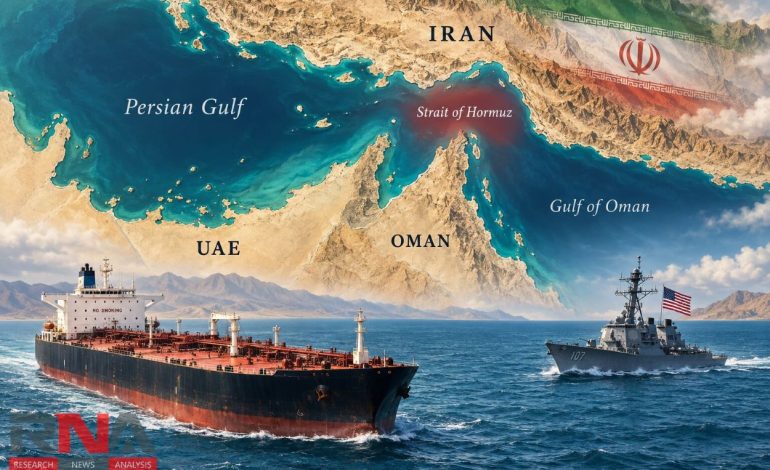
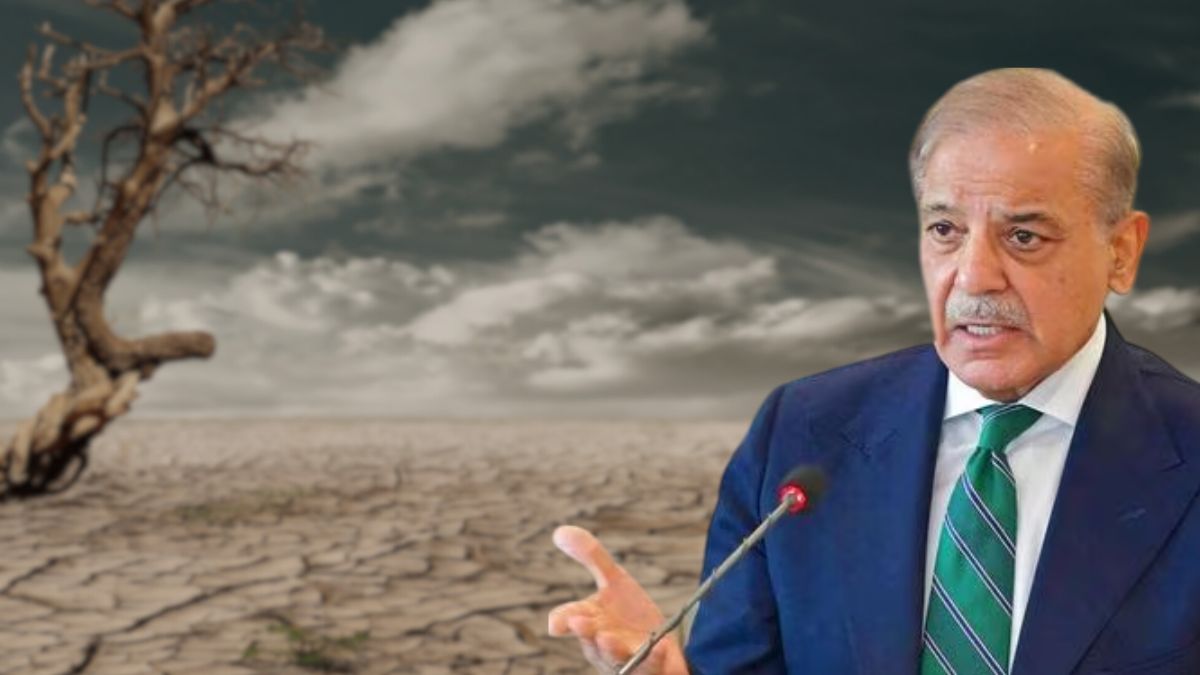
RNA Media illustration for representation.

New Delhi: Iran has reportedly proposed reopening the Strait of Hormuz within seven days of an agreement with the United States, offering a conditional route towards restoring shipping through the vital energy corridor and resuming nuclear negotiations. The initiative, as reported by NYT and FT, seeks reciprocal American concessions and revives elements of an earlier ceasefire arrangement that failed to produce a lasting settlement.
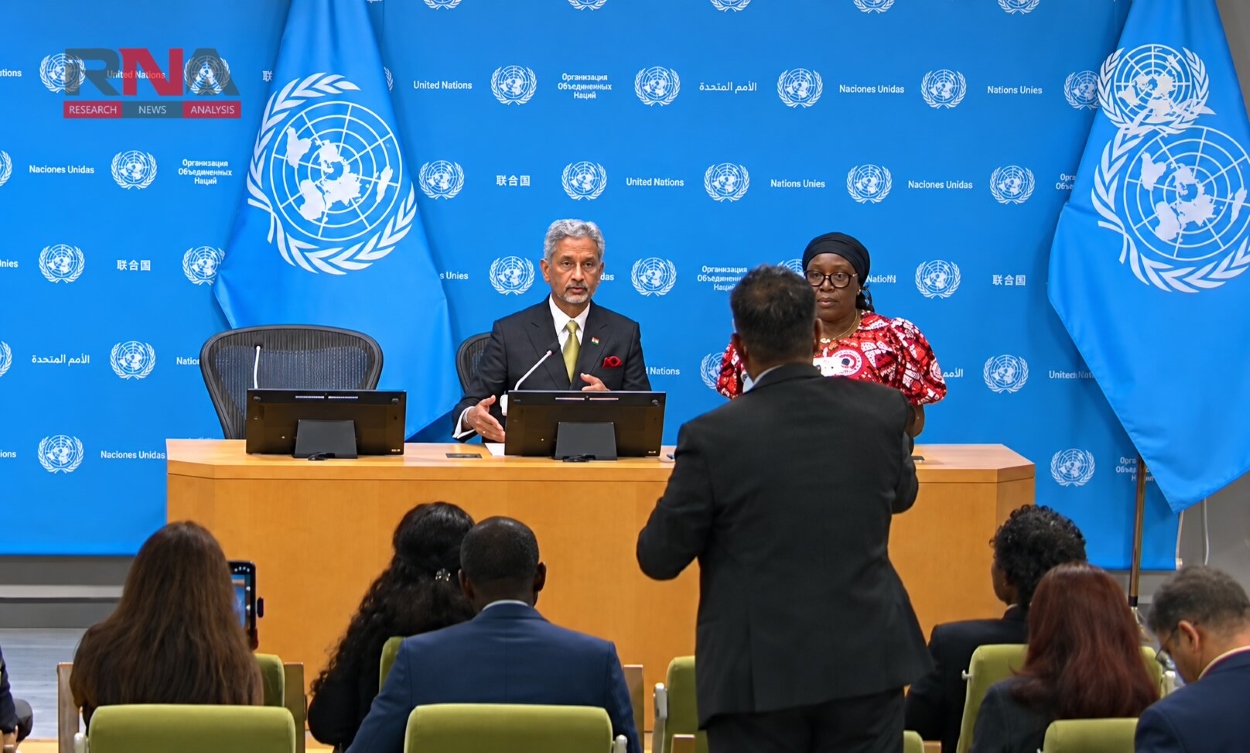
The Iranian foreign minister, Abbas Araghchi, outlined the proposal in New York on Thursday, during diplomatic meetings surrounding the United Nations general assembly. He said the proposal had been conveyed through Qatari mediators and that Tehran was awaiting Washington’s response.
Araghchi said the seven-day period would begin the day after Washington accepted the proposal, making the timetable dependent on American agreement rather than a fixed reopening date. The announcement therefore represents a conditional diplomatic offer, with implementation contingent on the two governments resolving their differences.
The conditions reported around the diplomatic initiative include lifting the US naval blockade, releasing frozen Iranian assets and ending hostilities across the region. Tehran’s insistence on an end to fighting “on all fronts” also encompasses Israel’s campaign against Hezbollah in Lebanon, widening the negotiations beyond a bilateral arrangement over shipping.
There have been separate reports that negotiators were examining a phased exchange under which Iran would restore passage through Hormuz while Washington lifted its economic blockade, potentially accompanied by access to frozen funds. The immediate obstacle was the order of implementation: neither government wanted to relinquish its strongest source of pressure without securing a tangible concession from the other.
Araghchi presented the latest plan as a return to commitments contained in the Islamabad memorandum of understanding reached in June, rather than an entirely new bargain. That framework, as RNA Media had reported, envisaged a 60-day ceasefire period, a restoration of shipping and negotiations on unresolved issues, but unravelled in early July amid disagreements over vessel movements.
The earlier breakdown is central to the present negotiations because reopening the strait would address an immediate economic emergency without necessarily settling the nuclear dispute. According to an FT report, Washington has resisted simply restoring the June framework and has sought a broader agreement covering Iran’s nuclear programme.
Political timing adds another complication as the United States approaches its congressional midterm elections on November 3. The US president, Donald Trump, has suggested an agreement could follow the vote, while the Iranian president, Masoud Pezeshkian, has expressed a preference for reviving the understanding beforehand.
Gulf governments also have interests that extend beyond securing an immediate resumption of tanker traffic. Reuters reported that regional leaders had rejected Iranian control over Hormuz and proposed transit fees while pressing for de-escalation, underscoring the difficulty of reaching a settlement acceptable to neighbouring exporters.
The economic stakes explain why the waterway has become the focus of diplomacy after nearly seven months of conflict. Situated between Iran and Oman, Hormuz connects the Persian Gulf to the Gulf of Oman and the Arabian Sea, providing an outlet for major oil and liquefied natural gas exporters with limited alternative routes.
According to the US Energy Information Administration, approximately 20.9 million barrels of oil passed through the strait daily in the first half of 2025, equivalent to about one-fifth of global supply. More than 20 per cent of worldwide liquefied natural gas trade also used the passage during that period, predominantly shipments from Qatar.
For India, the importance of restoring reliable passage is particularly direct as India, China, Japan and South Korea together received 74 per cent of the crude oil and condensate moving through Hormuz in the first half of 2025. Those trade patterns underline the exposure of Asian importers to interruptions in Gulf supplies and the wider energy-market consequences of a prolonged standoff.
For now, the seven-day offer remains a negotiating proposal whose execution depends on agreement over reciprocal steps. The failure of the June arrangement leaves both governments facing the same practical test: making their commitments sufficiently credible for the other side to act.