
Trump delays Iran attack as US, Tehran face fresh push for Hormuz agreement
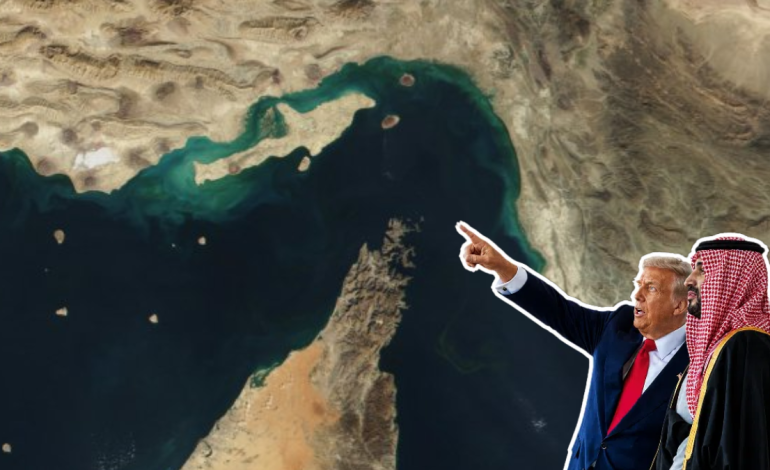
Trump delays Iran attack. (Image courtesy: RNA)

New Delhi: The White House posted on Sunday that the United States president, Donald Trump, had agreed to hold off on a planned attack against Iran after Tehran and other Middle Eastern countries sought a pause to work towards a potential agreement. Trump said the proposed deal would include the immediate and complete reopening of the Strait of Hormuz, along with measures to end Iran’s nuclear threat.
The statement marks a fresh shift in Washington’s approach to the five-month-old conflict, with Trump moving from threats of renewed military action to giving negotiations another chance. However, the US president made clear that American forces remain prepared to strike if the diplomatic effort does not move forward quickly.
White House shares Trump’s message
In the statement posted by the White House, Trump said Iran and other countries in the region had asked Washington to delay an attack after what he described as agreement on the broad parameters of a deal.
Trump said he had agreed to the request to give diplomacy a chance, saying a successful agreement could bring greater stability to the region and benefit Iran. He added that Israel would also back efforts to finalize the proposed arrangement.
The reopening of the Strait of Hormuz has emerged as a key condition in the proposed US-Iran deal, with the strategic waterway remaining a major flashpoint amid the ongoing conflict. Growing threats to commercial shipping in the region have raised concerns over the safety of vessels and the wider impact on global energy supplies.
As earlier reported by RNA on Saturday, a tanker was struck and an explosion was reported near another vessel off the coast of Oman. The UK Maritime Trade Operations agency said an unidentified projectile hit a vessel northeast of Oman, with the impact reported near its engine room
Saudi Arabia raises concerns over escalation
According to the Associated Press, Trump’s decision came after a phone conversation with crown prince of Saudi Arabia, Mohammed bin Salman. Saudi officials reportedly voiced concerns that a wider US military campaign against Iran could prompt Tehran to target Gulf countries and their energy infrastructure.
Riyadh has been urging Washington and Tehran to return to negotiations and seek a diplomatic way out of the conflict. Saudi defence minister Khalid bin Salman also travelled to Washington earlier in the week for talks with Trump and vice president JD Vance on the Iran crisis.
The latest diplomatic move came despite continuing military activity across the region. Kuwait’s defence ministry said Iranian drones targeted several vital facilities, including a government facility in northern Kuwait. No casualties were reported.
The incidents involving Kuwait and commercial vessels show that the security situation remains volatile even as Washington signals a temporary shift towards diplomacy.
Another turn in five-month conflict
Trump’s announcement came just a day after he had indicated that the US was considering renewed military action against Tehran. The latest move is therefore another sharp change in the course of the conflict, which has repeatedly shifted between military escalation and negotiations.
The US and Israel began military strikes against Iran on February 28, with Washington saying the action was aimed at countering Tehran’s missile capabilities, nuclear programme and support for allied armed groups. An interim agreement reached in June had temporarily stopped the fighting, but the arrangement later broke down as hostilities resumed and tensions around the Strait of Hormuz increased.
The announcement does not mark a formal peace agreement or permanent ceasefire. Iran has yet to publicly respond to Trump’s latest statement, leaving the proposed deal and the pause in US military action uncertain.