South Korea mulling troops in Hormuz; Iran strikes US bases in Kuwait. Would Washinton act if Tehran strikes Korean forces?
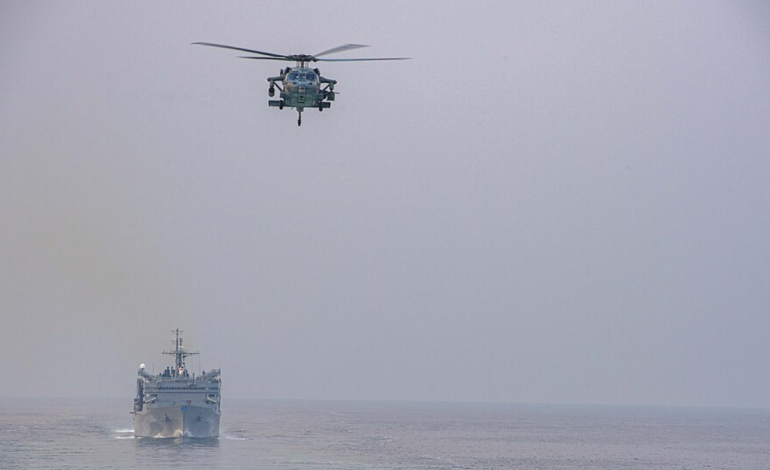
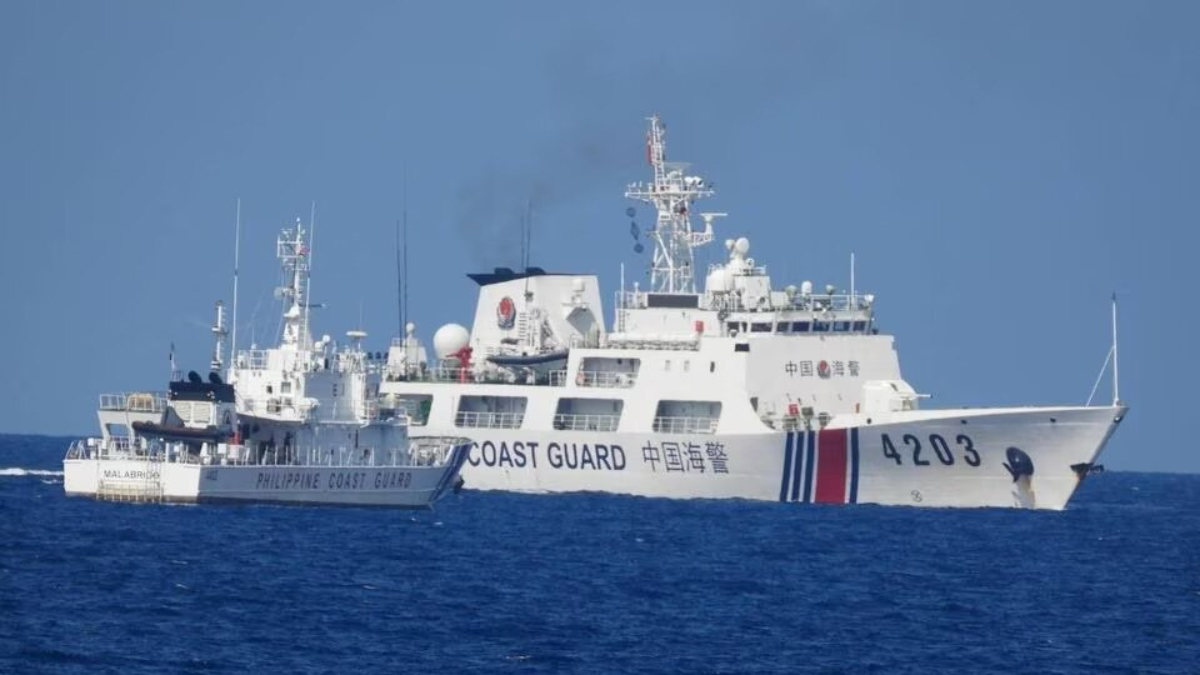
Representational image. (Image courtesy: Wikimedia)

New Delhi: South Korea is considering whether to contribute to international efforts to keep the Strait of Hormuz open as tensions around the strategic waterway remain high. Seoul is examining possible ways to support maritime security while also taking into account the risks of operating military assets in a region caught up in the continuing US Iran conflict.
According to media reports, Seoul is considering several options, including a maritime patrol aircraft, a logistics support vessel and a mine detection and clearance unit. The possible contribution would focus on supporting navigation and commercial shipping rather than directly taking part in combat operations against Iran.
South Korea is reviewing options including military measures to support freedom of navigation in the Strait of Hormuz, while a presidential office official said that “nothing has been decided” on a deployment. Seoul has also been discussing the scale and nature of a possible contribution with the United States, Britain and France, Reuters reported.
The debate comes as the situation around Hormuz continues to deteriorate. The United States and Iran have exchanged fresh attacks, with Washington targeting Iranian military and maritime capabilities and Tehran responding against American positions across the Gulf.
Iran on Thursday also launched missiles and drones towards a US military base in Kuwait. Kuwait said its air defences intercepted the incoming attacks, underlining how the confrontation has spread across the Gulf and increased the risks for military forces and commercial traffic operating in the region.
The situation has made the Strait of Hormuz increasingly difficult for commercial shipping. The waterway is a major route for global energy supplies, and any prolonged disruption can affect countries far beyond the Gulf.
Why South Korea is looking at Hormuz
South Korea has a direct economic interest in keeping the waterway open. About 61 per cent of its crude oil imports and 54 per cent of its naphtha imports passed through the Strait of Hormuz last year, making the security of the route closely linked to Seoul’s energy supplies.
That dependence explains why South Korea is considering a contribution even though the country is not directly involved in the US Iran conflict. For Seoul, protecting freedom of navigation is also about protecting the flow of energy needed by its industries and economy.
The options being discussed appear designed to give South Korea a limited role. A patrol aircraft could monitor maritime activity, while a logistics vessel could support operations and a mine clearance unit could help deal with threats that could prevent commercial vessels from using the waterway.
What if Korean forces come under attack?
If South Korean military personnel or assets are attacked while carrying out a Hormuz mission, Seoul would face a difficult decision over how to respond.
A vessel sent to support navigation could suddenly have to defend itself against an Iranian missile, drone or other military threat. The South Korean government would then have to balance the protection of its personnel with the risk of becoming directly involved in the wider conflict.
The situation would also bring the US South Korea alliance into focus.
Would the US intervene?
South Korea and the United States are bound by the 1953 Mutual Defense Treaty, but the agreement does not automatically require Washington to launch military action whenever South Korean forces are attacked outside the Korean Peninsula.
The treaty’s collective defence provisions refer to an armed attack in the Pacific area and are subject to the constitutional processes of both countries. An attack on South Korean forces in the Gulf would therefore require Washington to assess the circumstances before deciding how to respond.
The US could initially support Seoul without directly widening the conflict. This could include intelligence sharing, surveillance support, logistical assistance and help with protecting South Korean vessels or personnel.
American naval and air forces operating in the region could also potentially provide defensive assistance if Korean forces came under attack.
A serious Iranian strike that killed South Korean personnel or caused major damage to a Korean military asset would create a much more difficult situation. Political pressure on Washington to protect its ally could increase, particularly if Seoul argued that its forces had been attacked while carrying out an internationally supported maritime security mission.
Seoul’s own dilemma
The possibility of such an escalation is one reason South Korea is proceeding carefully. A contribution to Hormuz could demonstrate that Seoul is willing to share responsibility for international maritime security while protecting a waterway vital to its own economy. It could also help manage relations with Washington, which has been asking allies to take on greater security responsibilities.
There is also a domestic hurdle. Overseas military deployments require approval from South Korea’s National Assembly. Public opinion is another concern, with a Gallup Korea poll in March finding that 55 per cent of respondents opposed sending South Korean warships to the Strait of Hormuz, while 30 per cent supported it.
The South Korean president, Lee Jae Myung, may discuss the issue with the French president, Emmanuel Macron, during his visit to France next week. Seoul is also continuing discussions with international partners over what form its contribution could take.