South Korea demands Ukraine apology as North Korean POW transfer sparks secrecy row
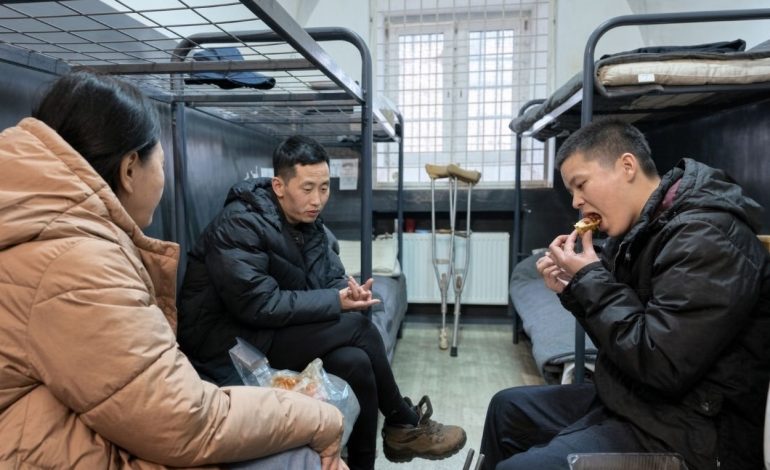
This photo released by Ukrainian military shows the two North Korean prisoner soldiers with an unknown woman in a holding cell.

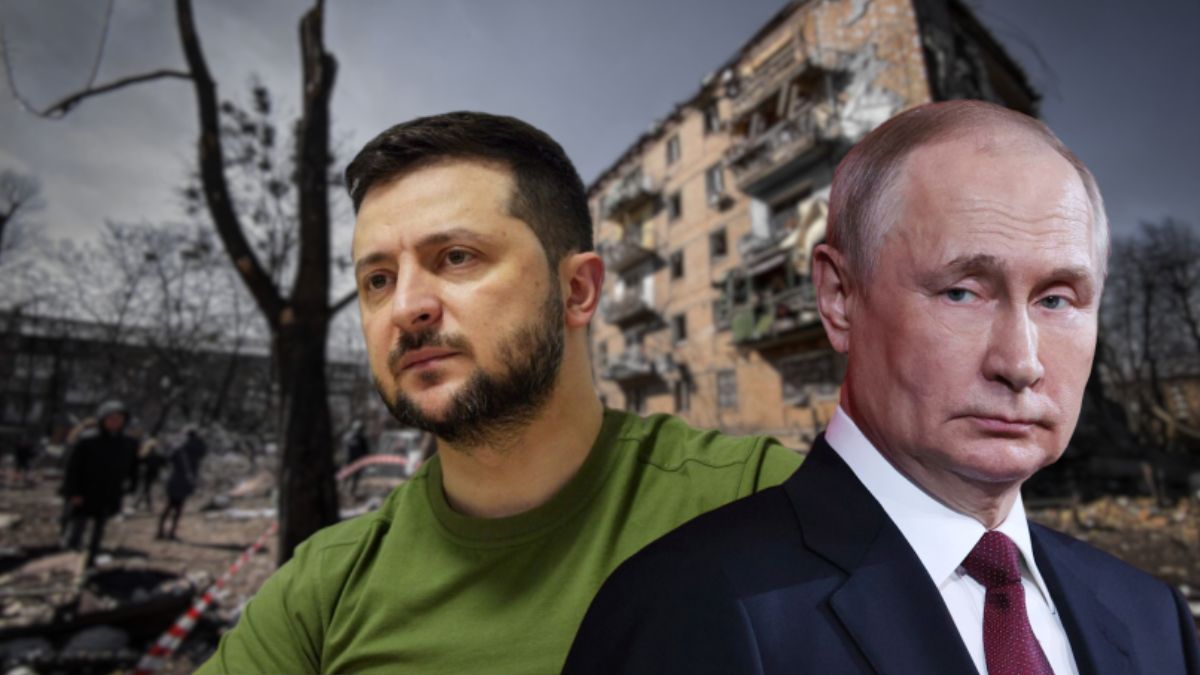
New Delhi: South Korea has demanded an official explanation and apology from Ukraine over the disclosure that two North Korean prisoners of war were transferred to the South, accusing Kyiv of breaching a confidentiality agreement and subsequently denying its existence. The dispute has strained relations between the two governments, with Seoul warning that the handling of the announcement endangered trust over a sensitive humanitarian and security issue.
In a statement issued late on Sunday, the senior presidential secretary for public relations, Seong Ghi-hong, said South Korea was considering further measures in response. He did not specify what those measures might involve, but said Ukraine’s denial of the agreement had compounded the damage caused by making the transfer public.
The controversy began when the president of Ukraine, Volodymyr Zelenskyy, told the UN general assembly in New York on September 2 that his country had recently sent the two captured soldiers to South Korea. Ukrainian forces had taken them prisoner in Russia’s Kursk region in January 2025, after North Korea deployed troops to support Moscow’s war against Ukraine.
According to Seoul’s account of the negotiations, Ukrainian officials themselves had requested confidentiality during repeated discussions through several channels. They were concerned that the transfer could provoke criticism at home because Kyiv was relinquishing an opportunity to exchange the North Koreans for Ukrainian prisoners held by Russia.
South Korea said it accepted that request because publicity could threaten the safety of the men and their families, alongside broader diplomatic and security considerations. Seong argued that subsequently denying the arrangement undermined confidence between the governments and risked damaging their wider relationship.
Kyiv has presented a different account, with Ukrainian media reporting that a presidential source denied any confidentiality agreement existed. The Ukrainian presidential aide, Dmytro Lytvyn, separately defended the announcement by saying Zelenskyy had disclosed only the fact of the transfer, leaving the lengthy details of the process undisclosed.
Lytvyn described Ukraine as an “open country” and said keeping the entire handover secret would have been unusual. Ukraine’s embassy in Seoul had not responded to a Reuters request for comment on South Korea’s latest accusations, according to coverage published by ABC News.
There is also a distinction between Seoul’s objection to disclosure and whether it received any advance warning of the speech. A South Korean presidential official had earlier acknowledged that Kyiv indicated Zelenskyy might mention the prisoners, but said the information was vague and did not explain how their transfer would be described. Yonhap News Agency
That official said Seoul had specifically requested that South Korea not be identified as their destination. The acknowledgement qualifies suggestions that the announcement came entirely without warning, while leaving unresolved the central disagreement over whether Kyiv had promised to keep the destination confidential.
The president of South Korea, Lee Jae-myung, had publicly criticized the disclosure on September 24, saying the issue could affect diplomacy, national security and conditions on the Korean Peninsula. His administration had previously declined to confirm the men’s arrival because of potential risks to them and relatives remaining in North Korea.
Seoul has characterized the handover as a humanitarian transfer reflecting the prisoners’ wishes, rather than an exchange involving South Korea, which is not a party to the war. A senior official said the men did not want to return to North Korea and that Seoul had urged Kyiv to respect their choice of destination.
That position follows South Korea’s public commitment on June 23, to accept North Korean prisoners captured while fighting for Russia if they wished to move to the South. Its foreign ministry also opposed returning such prisoners to Russia or North Korea against their wishes.
The case illustrates how Russia’s war has become entangled with security on the Korean Peninsula through Pyongyang’s military support for Moscow. North Korea began sending troops in 2024, and the two countries have strengthened cooperation under a mutual defence pact, with the North Korean leader, Kim Jong-un, reaffirming support for Russia this month.
For Lee, the dispute also comes as he seeks renewed engagement with Pyongyang, having offered talks without preconditions since taking office in June 2025. The professor at Ewha Womans University, Park Won-gon, told AFP that Seoul appeared concerned that publicizing the soldiers’ relocation could intensify North Korean hostility towards the South.
The disagreement could also complicate Kyiv’s efforts to secure military equipment from South Korea, which has not directly supplied Ukraine with lethal weapons. The professor at Kyungnam University, Lim Eul-chul, told that the loss of trust would likely make Seoul more cautious about requests for both lethal and non-lethal assistance.