India extends ban on Zakir Naik’s IRF until 2031, cites terror links, national security threats. What it means for foundation?
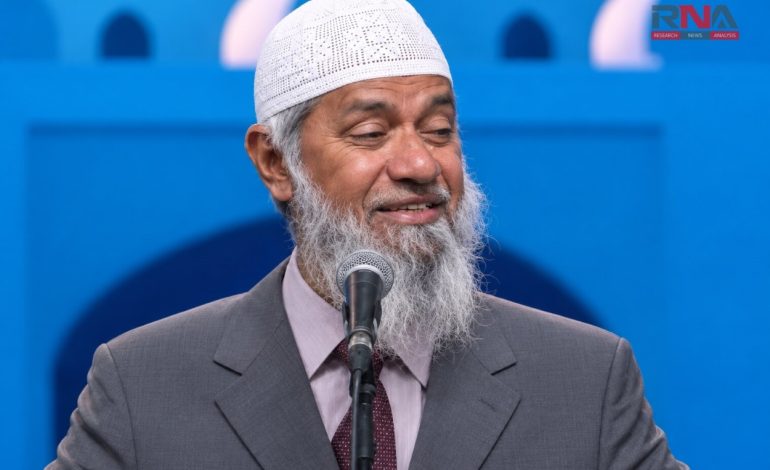
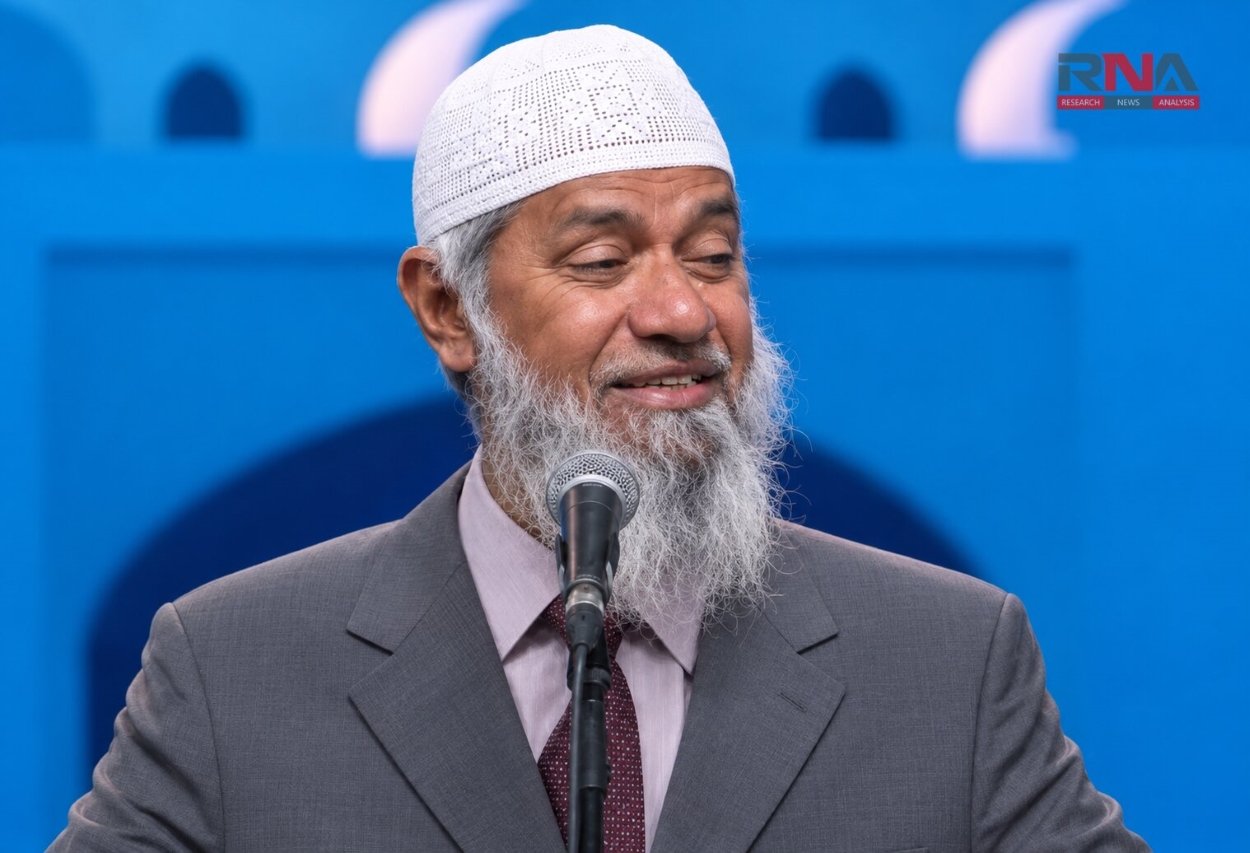
Digitally enhanced screenshot of a video showing Zakir Naik preaching.

New Delhi: The Indian government, on Friday, extended the prohibition on controversial Islamic preacher Zakir Naik’s Islamic Research Foundation for another five years. The Centre accuses the organization of promoting religious hostility, encouraging extremism and threatening national security.
The decision, which keeps the Mumbai-based foundation outlawed until November 2031, comes as New Delhi continues its efforts to secure the return of Naik, who has been living in Malaysia since leaving India in 2016.
The Ministry of Home Affairs renewed the ban under the Unlawful Activities (Prevention) Act (UAPA), 1967, through gazette notification SO 6182(E), issued on Friday. The order takes immediate effect, replacing the previous five-year prohibition that was scheduled to expire on November 14.
The ministry maintained that the foundation and its members, particularly its founder and president, Zakir Abdul Karim Naik, had encouraged religious antagonism and supported activities detrimental to India’s sovereignty and territorial integrity. It further argued that allowing the restrictions to lapse could enable the organization to revive its networks, mobilize supporters and resume activities considered prejudicial to national security.
In a statement, the Union home ministry linked the decision to the government’s policy of zero tolerance towards terrorism and activities deemed anti-national. It accused the IRF of fostering communal divisions, encouraging violent extremism and facilitating the regrouping of individuals allegedly associated with terrorist networks.
‘Extremist propaganda and communal incitement’
The notification specifically identifies Naik’s public speeches and religious broadcasts as central to the government’s concerns, alleging that his statements have encouraged hostility between communities and influenced some individuals towards extremist violence. According to the ministry, his messages have reached millions of people internationally through satellite television, online platforms, publications and social media.
Officials also expressed concern that the foundation could reorganize activists who remain beyond the reach of Indian authorities if its activities were no longer restricted. The government believes the organization could exploit religious differences, support militancy and undermine communal harmony, although these assertions in the latest notification represent the Centre’s stated grounds for the ban rather than fresh judicial findings.
The order continues a prohibition first imposed on November 17, 2016, and renewed on November 15, 2021, following earlier assessments of the foundation’s activities. Both previous declarations were subsequently upheld by UAPA tribunals, with the relevant orders published in May 2017 and March 2022, respectively.
Decade of investigations and legal restrictions
Naik, a Mumbai-born medical graduate who became an internationally recognized religious preacher, established the IRF in 1991 to promote Islamic teachings through lectures, publications and electronic media. His television programmes attracted audiences across several countries, but his interpretation of religious questions and statements concerning other faiths increasingly drew criticism and scrutiny from security agencies.
The National Investigation Agency began investigating Naik and his associated organizations in 2016 over allegations of inciting religious hatred and activities connected with radicalization. The Enforcement Directorate subsequently pursued separate money-laundering allegations, making the preacher the subject of investigations involving both national security and financial offences.
The controversy surrounding Naik intensified following the July 2016 terrorist attack on the Holey Artisan Bakery in Dhaka, Bangladesh, after reports emerged concerning the alleged influence of his sermons on extremist sympathizers. However, references to his teachings in terrorism investigations do not, by themselves, establish that he directed or participated in those attacks.
Naik has consistently rejected allegations that he encourages terrorism or religious violence, maintaining that his speeches have frequently been misrepresented or taken out of context. He has also denied wrongdoing in connection with the financial investigations against him and remains outside Indian jurisdiction.
Malaysia refuses extradition
The renewed prohibition comes just ten days after Malaysia publicly reaffirmed its refusal to extradite Naik, highlighting the diplomatic complications surrounding India’s efforts to bring him back for prosecution. On November 3, Malaysia’s home ministry informed parliament that Kuala Lumpur had made no commitment to transfer the preacher to Indian authorities.
According to the Malaysian government’s parliamentary response, India submitted its formal extradition request on January 19, 2018, followed by a diplomatic communication seeking reconsideration on May 29, 2020. Kuala Lumpur maintained that its decision was consistent with Article 6 of the bilateral extradition treaty signed in 2010 and Malaysia’s domestic extradition legislation.
The subject also featured in diplomatic discussions during the September 2026 BRICS summit in New Delhi, where the Malaysian prime minister, Anwar Ibrahim, met his Indian counterpart, Narendra Modi. Ibrahim subsequently acknowledged that the extradition question remained part of bilateral engagements, although Malaysia emphasized that any decision would have to comply with its legal obligations.
What the renewed UAPA ban on IRF means
Under Section 3 of the UAPA, the central government can declare an association unlawful when it considers the organization’s activities incompatible with India’s sovereignty, integrity or security. Such declarations restrict the organization’s ability to function legally, including raising funds, maintaining organizational networks and undertaking activities prohibited under the legislation.
The latest notification invokes provisions allowing the declaration to operate immediately, subject to scrutiny by a tribunal constituted under the act. The government must refer the notification to the tribunal within the prescribed period, providing a statutory mechanism for examining whether sufficient grounds exist for continuing the prohibition.
The extension therefore ensures that the IRF remains legally proscribed in India for another five years, irrespective of whether Naik returns to face the allegations against him. However, the organization’s prohibition and the proceedings against its founder remain distinct legal matters, with the extradition question continuing to depend on negotiations and legal decisions involving Malaysia.