
‘Serious constitutional crisis’: Sheikh Hasina accuses Bangladesh authorities of political retaliation
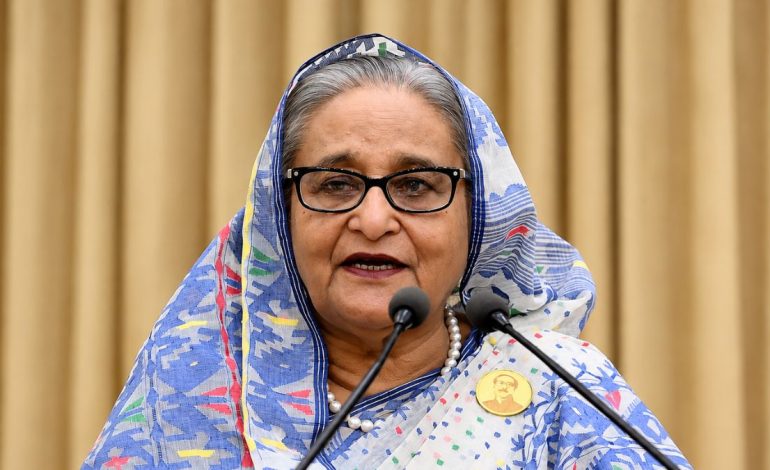
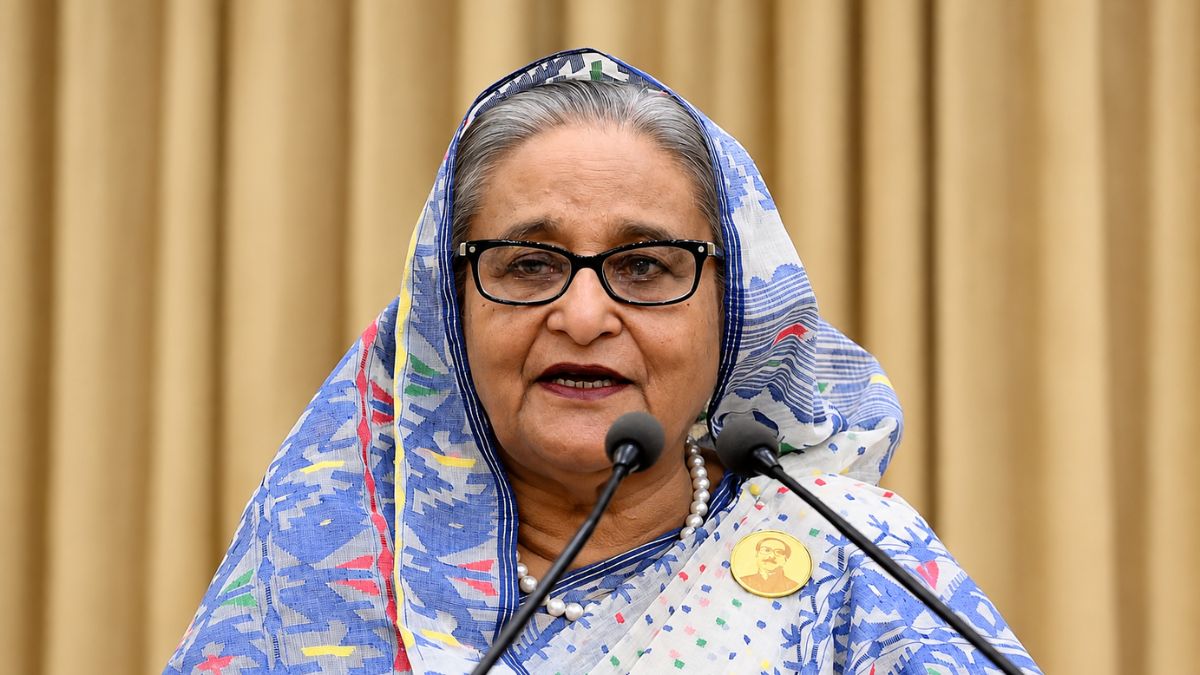
Bangladesh’s former prime minister, Sheikh Hasina (Image Courtesy: Wikimedia Commons)

New Delhi: Bangladesh’s former prime minister, Sheikh Hasina, has described the country as facing a “serious constitutional crisis”, alleging political retaliation, arbitrary detention, politically influenced legal proceedings and pressure on judicial independence. Addressing a seminar at the Geneva Press Club virtually, she said Bangladesh’s future should be determined by the “free and informed will” of its people rather than fear, force or administrative orders.
Hasina alleged that political retaliation, arbitrary detention and politically influenced legal proceedings were affecting students and professionals because of their political identities. She claimed some students had lost enrolment or certificates and that young professionals had been suspended from employment, while arguing that anyone accused of an offence should be held individually accountable through due process rather than targeted because of political affiliation.
She further argued that the situation should no longer be viewed only as political instability, but as a question of law, public security and the responsibilities of the state.
The seminar, titled “Bangladesh’s Constitutional Crisis: right to education, arbitrary detention and fabricated tribunal verdicts”, was organized by the Global Center for democratic governments and Tumuku development and cultural union. It brought together former political representatives, lawyers, human rights advocates and researchers from several countries.
Hasina also challenged restrictions on the Awami League, arguing that an election could not be genuinely representative if a major political force and its supporters were excluded. Political activities of the party were banned under Bangladesh’s Anti-Terrorism Act in May 2025, and the Bangladesh Nationalist Party government has said the restrictions will remain while proceedings over alleged crimes committed during the 2024 unrest continue, with the courts to determine the party’s eventual status.
Hasina also claimed that thousands of Awami League leaders, activists and supporters had been detained, prosecuted or forced into hiding, and questioned the use of criminal and anti-terrorism laws. She warned that using judicial institutions for political retaliation would erode public confidence and argued that the state should not impose capital punishment where the fairness and independence of the judicial process itself were in dispute.
Hasina’s criticism of the judicial process comes after Bangladesh’s international crimes tribunal sentenced her to death in absentia in November 2025 for crimes against humanity over the crackdown on the 2024 uprising. She has rejected the verdict as politically motivated.
No substantive official response to her latest Geneva remarks was immediately available. UN special procedures have, however, separately raised concerns that measures restricting the Awami League could impose unnecessary and disproportionate limits on freedom of association, expression and political participation.