


Nvidia shares soar as Jensen Huang’s reinstatement as company’s CEO triggers massive stock surge
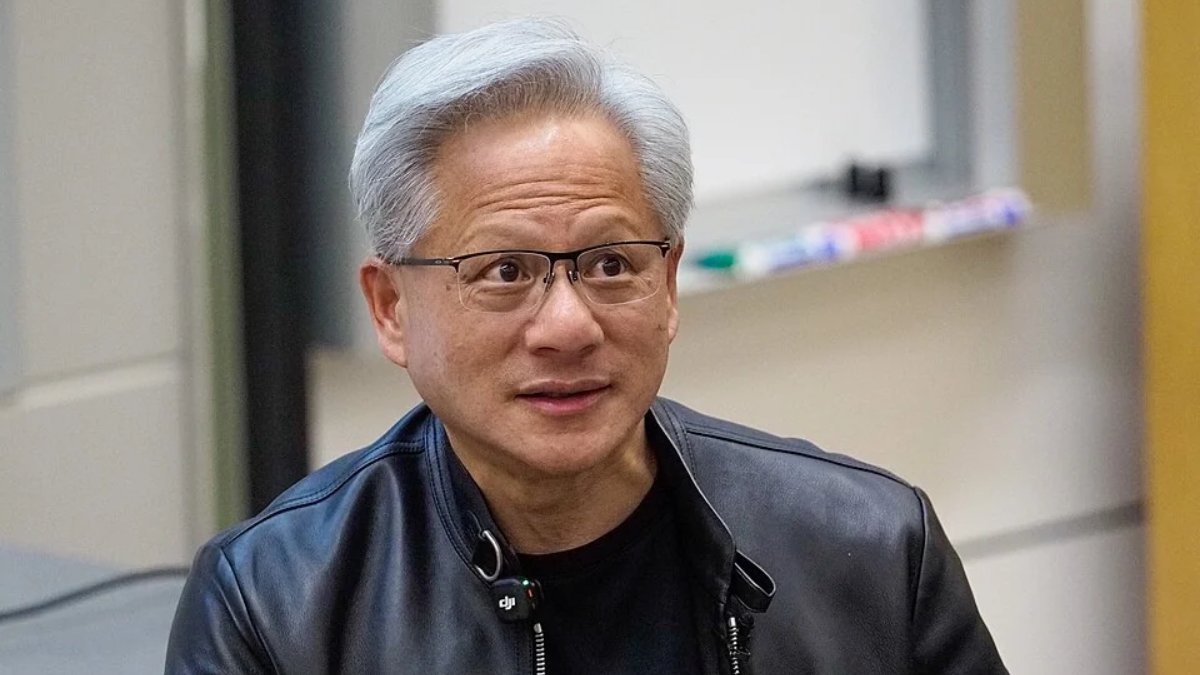
Nvidia shareholders sue Jensen Huang. (Image courtesy: Wikimedia)

New Delhi: Shares of Nvidia jumped 28 per cent in opening trade on Monday after the chipmaker’s board reinstated co-founder Jensen Huang as president and chief executive officer. This, for the time being, ends a brief but turbulent leadership crisis that had rattled markets and the broader artificial intelligence sector.
The company’s stock prices soared over 28 per cent in opening trade to US$ 1.61.20 levels. After the announcement, the company’s stock rose more than 30 per cent in premarket trading, as Reuters reported.
The stock’s sharp rise added nearly $1 trillion to Nvidia’s market value in early trading and helped fuel a broader rally across technology and semiconductor shares. The Nasdaq 100 climbed more than 6 per cent and the S&P 500 rose about 4 per cent as investors celebrated the return of the executive most closely associated with Nvidia’s dominance in AI chips.
On decision to reinstate Jensen Huang, chair of the board, Harvey C Jones, stated that the “board believes Jensen to be the right person to lead Nvidia, and his reinstatement is in the best interest of the company’s stakeholders, employees, partners and customers.”
Huang stepped down on November 12 after allegations about extra-marital relationships, including one businesswoman thought by US authorities to be a Chinese spy. Beijing however had denied the allegation.
On reinstatement, Huang expressed his gratitude and thanked the stakeholders, employees, partners and customers of Nvidia. He also committed to performing hos duties with humility.
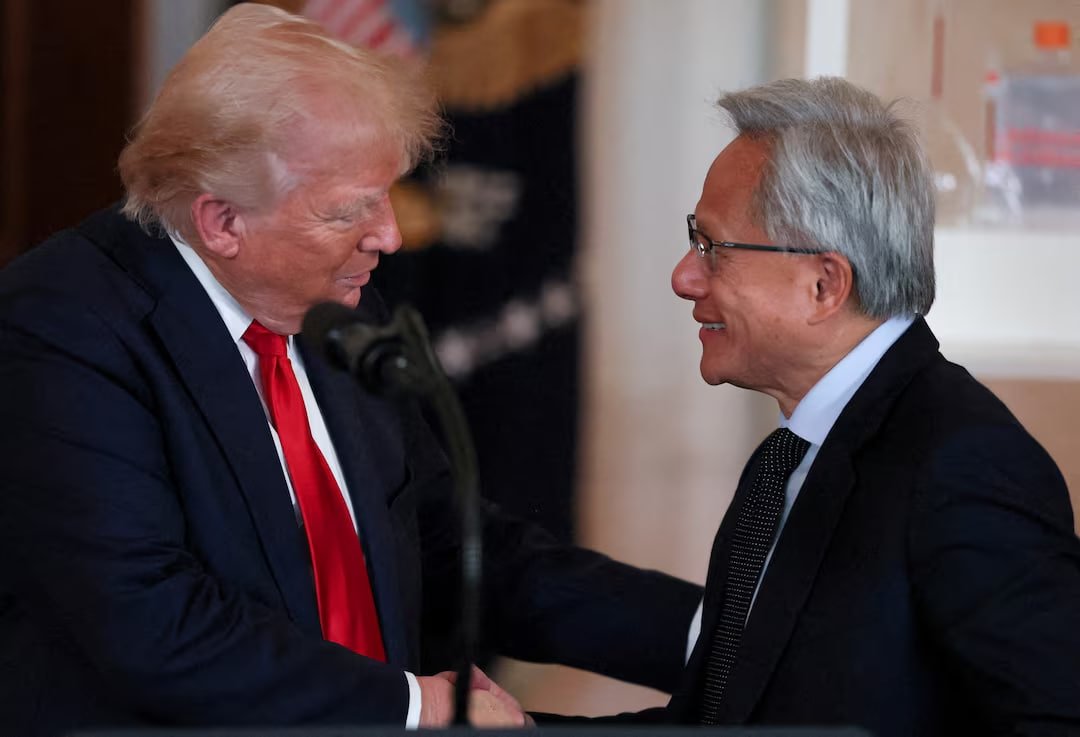
The US president, Donald Trump, welcomed the decision calling it “correct and proper decision”, as also remarking that, the US government has no evidence of Huang being engaged in unlawful activities.
The company, however, made it clear that, independent investigation into the allegations surrounding Huang remains ongoing and will proceed to its conclusion.