




Nato bracing up for Trump backlash if Republicans lose US midterms, report says
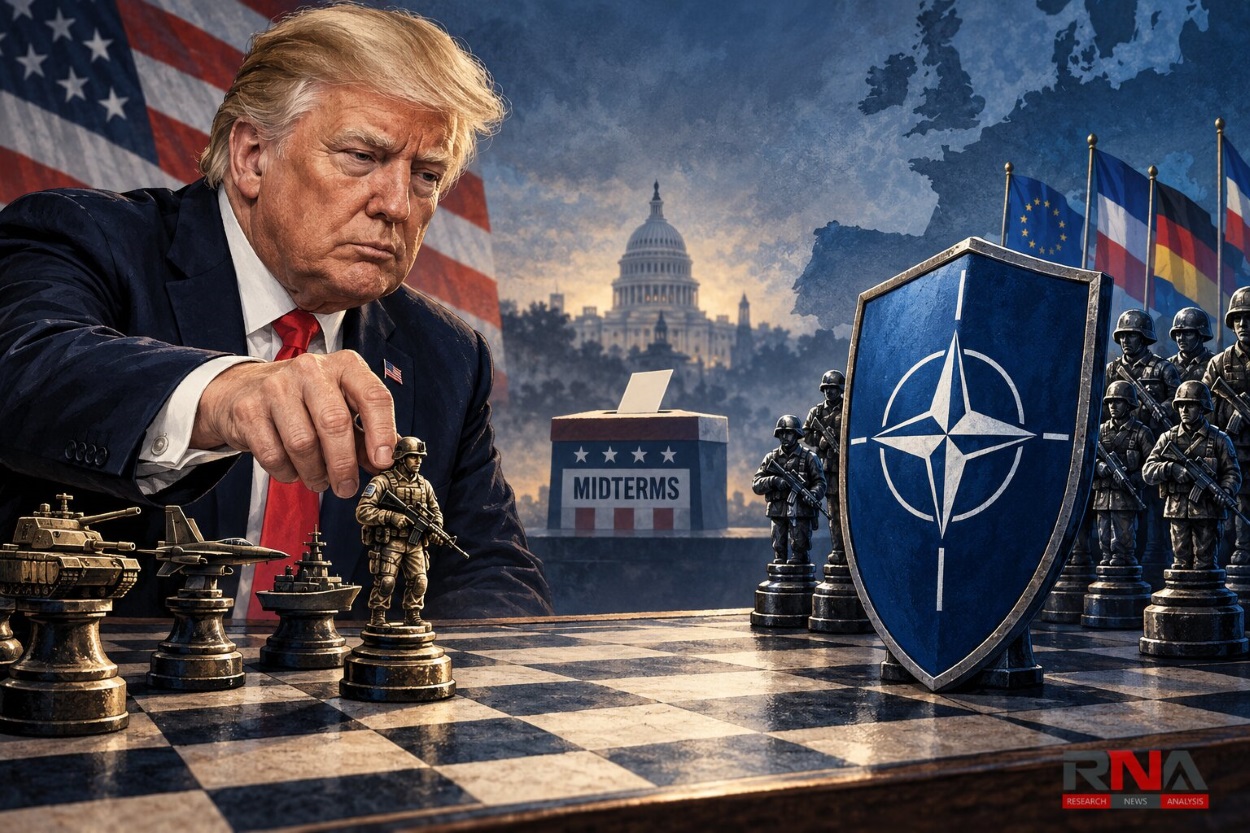
RNA Media illustration for representation.

New Delhi: European allies fear the US president, Donald Trump, could intensify pressure on Nato and withdraw more American troops from Europe if Republicans suffer a setback in the November 3 congressional elections. Their concern is that a president facing greater resistance at home could turn more aggressively to foreign policy, where he retains considerable freedom to act.
Five Nato diplomats, speaking anonymously to Politico, described concerns that electoral losses could encourage Trump to pursue a more confrontational approach towards the alliance. Three raised the possibility of further withdrawals involving thousands of American personnel, although these were assessments of potential decisions rather than disclosures of an approved plan.
The anxiety extends beyond troop numbers to American contributions to Nato funding, weapons supplies for Ukraine and Washington’s dealings with Moscow. Diplomats cited in the reporting fear that domestic political frustration could reinforce Trump’s longstanding demands for Europe to shoulder more responsibility for its security.
Troop review brings the concern into focus
The immediate issue is a Pentagon review of American military deployments in Europe, which is scheduled for completion in December. Reuters reported on August 27 that an internal planning document required at least four sets of options to be prepared for the US defence secretary, Pete Hegseth, by November 6 – three days after the elections.
At the time of that report, approximately 80,000 American troops were stationed across Europe, making the review consequential for the continent’s defence arrangements. Its criteria included military access, basing and overflight rights, alongside allied spending commitments and the ability of European forces to fill capability gaps.
The review also reflects friction over the US-Israeli war against Iran, with Trump accusing some European allies of withholding or delaying support for American operations. The Nato secretary general, Mark Rutte, has acknowledged Washington’s disappointment while maintaining that most European allies have been helpful.
A senior Pentagon official told Reuters that the administration was examining a range of force levels as it sought a more limited American supporting role with allies taking the lead. That establishes an existing policy review, but does not settle how far any withdrawal would go or whether the election result would influence it.
Ukraine could become part of a wider bargain
A former Nato spokesperson and fellow at the Royal United Services Institute, Oana Lungescu, warned that Washington could link its military presence in Europe to European acceptance of an American-backed settlement for Ukraine. Her concern, reported by NV in its account of the Politico story, was that troop deployments and the wider European security framework could become elements of a larger bargain with the Russian president, Vladimir Putin.
The reporting also identified possible restrictions on the Prioritized Ukraine Requirements List, or PURL, as a concern. This would affect a mechanism through which allies and partners finance American weapons for Ukraine, rather than simply a programme of direct US-funded assistance.
According to Nato’s annual report, PURL was launched in July 2025 and supplies equipment from American stocks and procurement. It supports deliveries including Patriot air-defence interceptors, ammunition for Himars (high-mobility artillery rocket systems and artillery ammunition), explaining why its continuation matters to Ukraine’s battlefield and air-defence needs.
White House points to higher European spending
The White House rejected the suggestion that Trump had weakened the alliance, with the assistant press secretary, Olivia Wales, telling Politico that he had “done more for Nato than anyone else”. She cited increased defence-spending commitments, the American military presence in Greenland and efforts to end the Ukraine war, while reiterating his view that allies should have supported Washington over Iran.
The spending commitment is set out in the Hague summit declaration, adopted on June 25, 2025, under which allies pledged to invest 5 per cent of gross domestic product annually by 2035. This comprises at least 3.5 per cent for core defence requirements and up to 1.5 per cent for broader security-related purposes, including infrastructure, network protection and civil preparedness.
Those national spending pledges are distinct from contributions to Nato’s collectively funded activities. The distinction matters because higher European military budgets and a possible reduction in Washington’s support for alliance institutions concern different parts of the transatlantic defence arrangement.
A changed Congress would not settle the dispute
An opposition-controlled Congress could complicate Trump’s domestic programme and subject his administration to greater scrutiny but would not automatically reverse his foreign policy. In a Chatham House assessment, the researcher, Max Yoeli, identified government funding and, if Democrats win the Senate, confirmation of appointments as important sources of congressional influence, while emphasizing the presidency’s substantial advantages in external affairs.
A separate European Council on Foreign Relations analysis, published ahead of the vote, similarly cautioned against expecting a Democratic victory to restore predictability to transatlantic relations. It argued that the pending force review could reflect both Washington’s desire to transfer conventional defence responsibilities to Europe and its wish to free resources for the Indo-Pacific.
For European governments, the election and the December review therefore present two connected uncertainties: the direction of American politics and the scale of Washington’s future military commitment. The reported fears of a sharper confrontation remain contingent, but the review itself means that decisions about Europe’s defence responsibilities are approaching regardless of the electoral outcome.


