


Iran warns US Navy officers over Minab school massacre as UN report raises war crimes questions
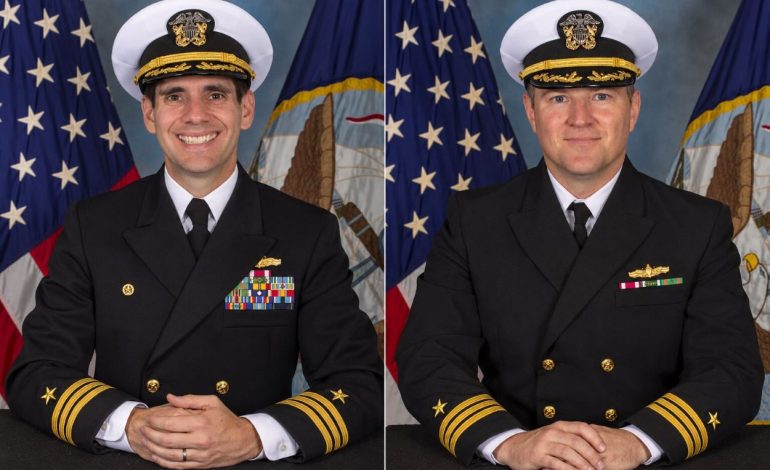
This combo photo shows Commander Leigh R Tate (L) Commander Jeffrey E York. (US Navy photos via X/@Iran_in_India)

New Delhi: Iran has publicly threatened two senior US Navy officers whom it accuses of ordering missile strikes on a primary school in Minab that killed more than 150 people, including children, during the opening hours of the US-Israeli military offensive on February 28. The warning has intensified concerns over possible Iranian retaliation against American military personnel, particularly as a United Nations investigation has separately concluded that the school bombing may constitute a war crime.
The Iranian embassy in South Africa issued the warning on Friday, declaring, “We will find you,” in a post on X that revived earlier accusations against two officers serving aboard the guided-missile destroyer USS Spruance. The officers were identified as Commander Leigh R Tate, the vessel’s commanding officer, and Commander Jeffrey E York, its executive officer, although their individual responsibility for the school strike has not been independently established.
The embassy had previously named the officers in a March 28 social media post, accusing them of ordering Tomahawk cruise missile launches against the school and describing them as criminals. Its renewed warning coincided with the destroyer’s return to San Diego following a 357-day deployment that included extensive combat operations against Iranian forces.
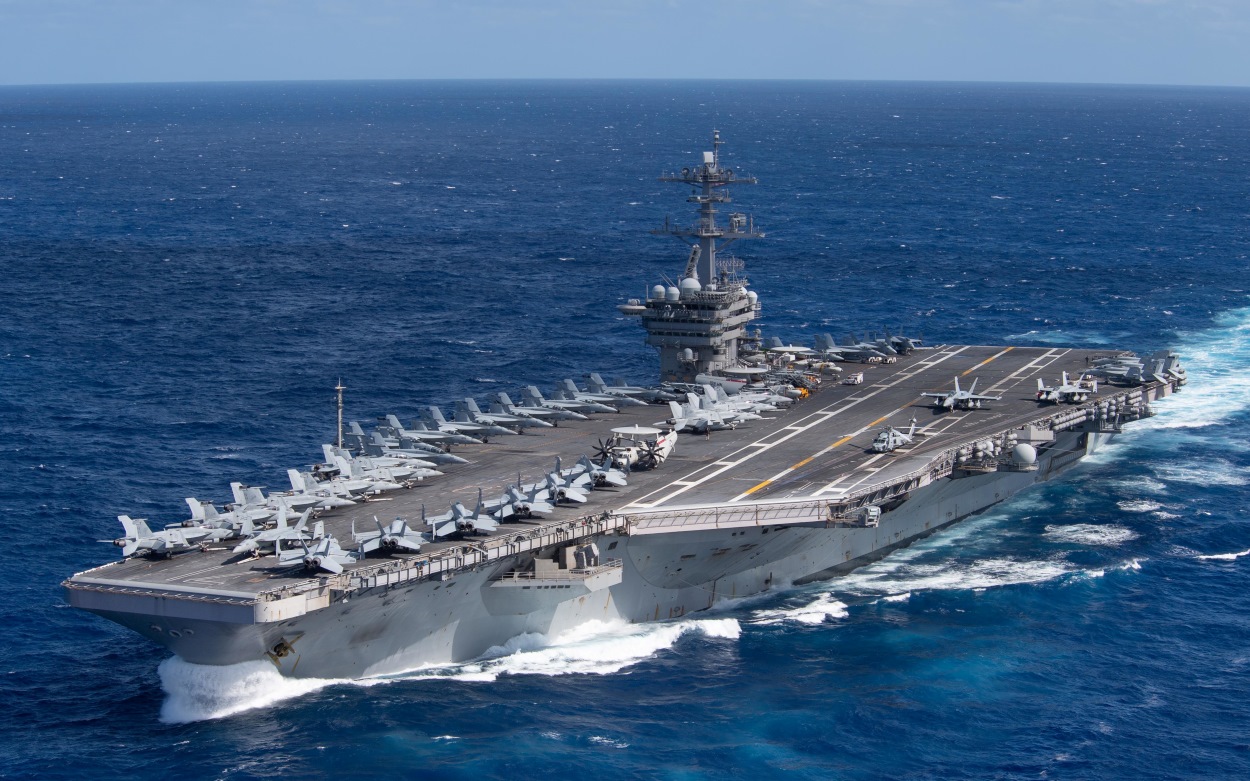
The US Navy confirmed that the Spruance returned to its home port on November 13 after travelling more than 88,000 nautical miles and participating in Operation Epic Fury, the American military campaign against Iran. According to an official US Navy release, the warship fired dozens of Tomahawk land-attack missiles at Iranian military targets between February and August, besides intercepting 12 drones and four anti-ship cruise missiles.
However, the Navy’s confirmation of the ship’s combat role does not establish that its officers authorized the particular missiles that struck the Minab school. That distinction is significant because determining responsibility for an individual attack requires examining targeting orders, intelligence assessments, authorization procedures and the operational chain of command.
What happened at the Minab school?
The Shajareh Tayyebeh Primary School in Minab, in Iran’s southern Hormozgan province, was struck between approximately 10.30am and 11.30am on February 28, during the first day of coordinated American and Israeli attacks on Iran. The school was situated beside an Islamic Revolutionary Guard Corps (IRGC) naval installation, but satellite imagery examined by investigators showed that it had been physically separated from the military complex years before the bombing.
The death toll has varied across official Iranian statements and independent investigations, with Tehran reporting as many as 168 children killed in the attack. A subsequent UN fact-finding investigation, however, identified credible information concerning 157 deaths, including 123 boys and girls aged 13 or younger, making the incident one of the deadliest attacks on civilians during the conflict.
A Reuters investigation in March found that the American military might have used outdated intelligence when preparing the attack, mistakenly treating the school as part of the neighbouring IRGC installation. US officials familiar with preliminary military findings indicated that American forces were probably responsible, although Washington had not publicly released a final account establishing precisely how the school entered the target list.
UN investigators find evidence of possible war crime
As RNA Media had reported, the case took a more serious turn on September 17, when a UN fact-finding mission reported reasonable grounds to believe that the United States had committed a war crime by striking an identifiable civilian school. Investigators found no evidence that the building was being used for military purposes and concluded that the failure to verify its status before the attack went beyond ordinary negligence.
The findings substantially strengthened allegations of American responsibility, although they did not establish the personal culpability of the two officers named by Iran. The UN mission called for accountability, reparations for victims and renewed diplomatic efforts to prevent further attacks on civilians.
Trump warns Iran against retaliation
The renewed Iranian threat came shortly after the US president, Donald Trump, warned Tehran against attempting to assassinate senior American officials. During a November 12 interview with American radio host Hugh Hewitt, Trump indicated that any such attack would invite an overwhelming response, saying Iran would not continue to exist for very long.
Security concerns have also reached senior members of the administration, with the US treasury secretary, Scott Bessent, confirming that he had moved to accommodation on a military installation following Secret Service advice. According to reports, other senior American officials have also adopted heightened protective measures following threats reportedly linked to Iran.
The confrontation presents Washington and Tehran with two distinct but increasingly connected problems: the unresolved question of accountability for the Minab killings and the possibility of retaliatory violence against American personnel. For Washington, the immediate concern is whether Iran’s public warning signals an operational threat; for Tehran, the school bombing remains a major grievance that has acquired further significance following the UN findings.
Under international humanitarian law, schools are protected civilian objects unless they become military objectives through their actual use, and attackers must take feasible precautions to verify their targets. Even where military negligence or unlawful conduct is established, however, threats of violence against individual personnel cannot substitute for an independent investigation or a lawful accountability process.
The Minab tragedy therefore remains both a test of American military accountability and a potential flashpoint in the wider confrontation between the two countries. With Iran publicly identifying US officers and Washington warning of severe consequences for attacks on its officials, the episode illustrates how unresolved civilian casualties can continue to threaten regional security long after the original military operation.


