
Trump administration rejects claims of Quad decline as Manila summit puts Indo-Pacific partnership to test
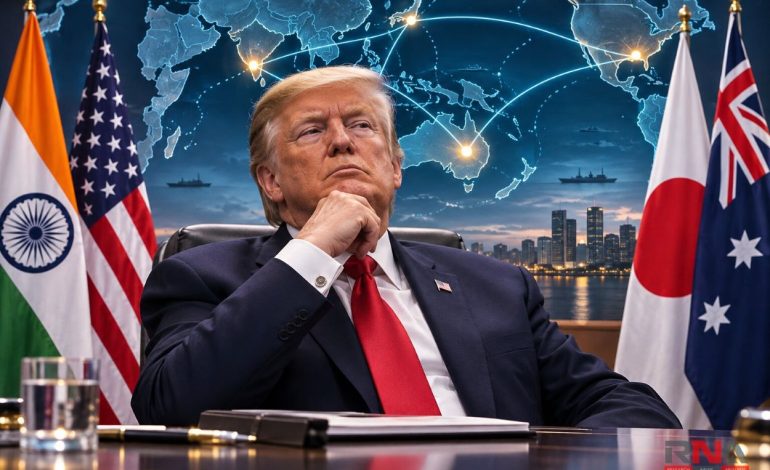
RNA Media illustration for representation.

New Delhi: The United States has strongly rejected suggestions that the Quad is losing its strategic relevance under the president, Donald Trump, as the leaders of India, Australia, Japan and the US prepare for a possible summit in Manila on November 17. Washington’s defence of the four-nation partnership comes against a backdrop of strained India-US relations, uncertainty over American policy towards China and questions about the grouping’s future after a two-year gap in leaders-level meetings.
The controversy erupted after a Politico report questioned the health of the Quad, citing concerns that the Trump administration’s shifting diplomatic priorities had weakened the partnership, which is widely regarded as an important element of the Indo-Pacific security architecture. The report quoted an unnamed Asian diplomat based in Washington as describing the grouping as being on “life support”, prompting an unusually sharp response from the US state department.
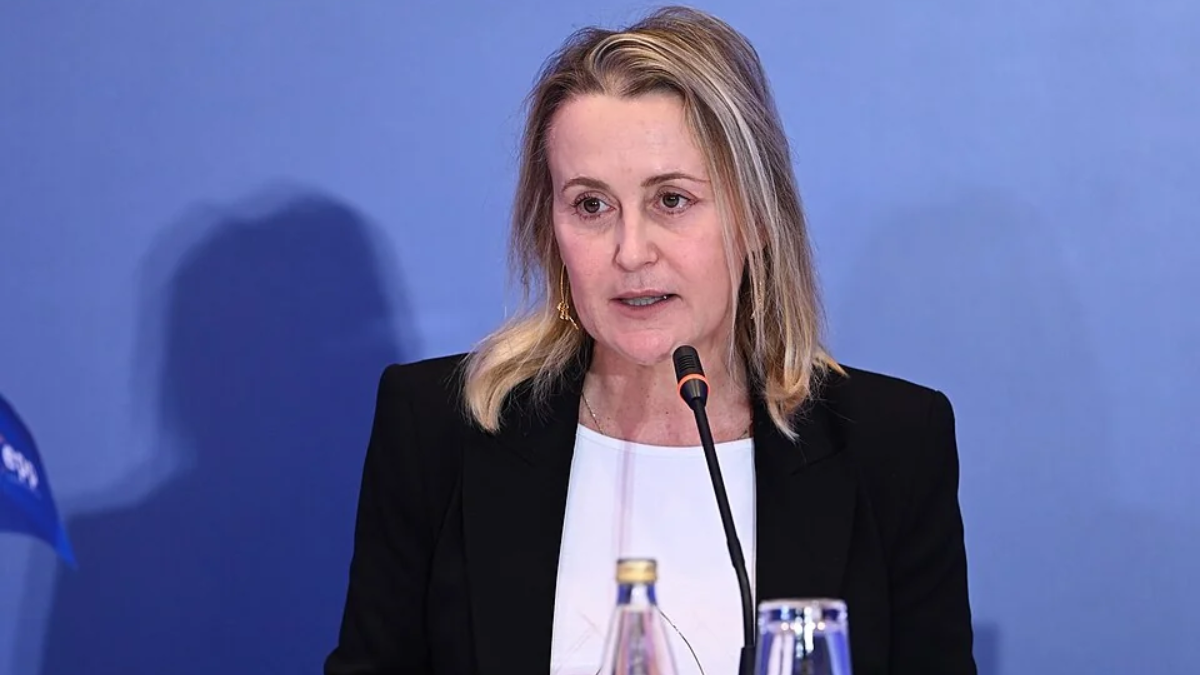
The US assistant secretary of state for global public affairs, Dylan Johnson, dismissed the assessment as “utterly ridiculous” and challenged the suggestion that Washington had abandoned its commitment to the grouping. He pointed to sustained diplomatic engagement, including five meetings involving the US secretary of state, Marco Rubio, and his Quad counterparts, three of them during the preceding six months, alongside regular consultations between senior officials.
Johnson also highlighted monthly discussions involving the Quad sherpas – senior officials responsible for coordinating the partnership’s agenda – and confirmed that preparations were under way for a leaders’ summit alongside the Association of Southeast Asian Nations (Asean) meetings in Manila. His response was intended to demonstrate that the absence of a summit since September 2024 did not necessarily indicate a weakening of institutional cooperation.
Manila summit faces questions over confirmation
The four leaders are expected to meet on Tuesday, coinciding with Trump’s arrival in the Philippine capital for the final day of the Asean summit. However, as of Monday, a definitive joint announcement from all four governments confirming the Quad meeting had not been independently established, leaving its precise arrangements uncertain.
India’s ministry of external affairs had earlier acknowledged that discussions concerning the proposed gathering were continuing but stopped short of confirming the programme. The uncertainty is significant because India was expected to host the next Quad summit after the September 2024 meeting in Wilmington, Delaware, but no leaders-level gathering materialized in 2025.
The proposed Manila meeting would therefore be the first Quad leaders’ summit since Trump returned to the White House in January 2025 and the first to take place in a country outside the grouping. As RNA Media reported, the discussions are expected to focus on economic security, strategic infrastructure, maritime surveillance and critical technologies, with several cooperative initiatives potentially emerging from the talks.
China, maritime security and economic agenda
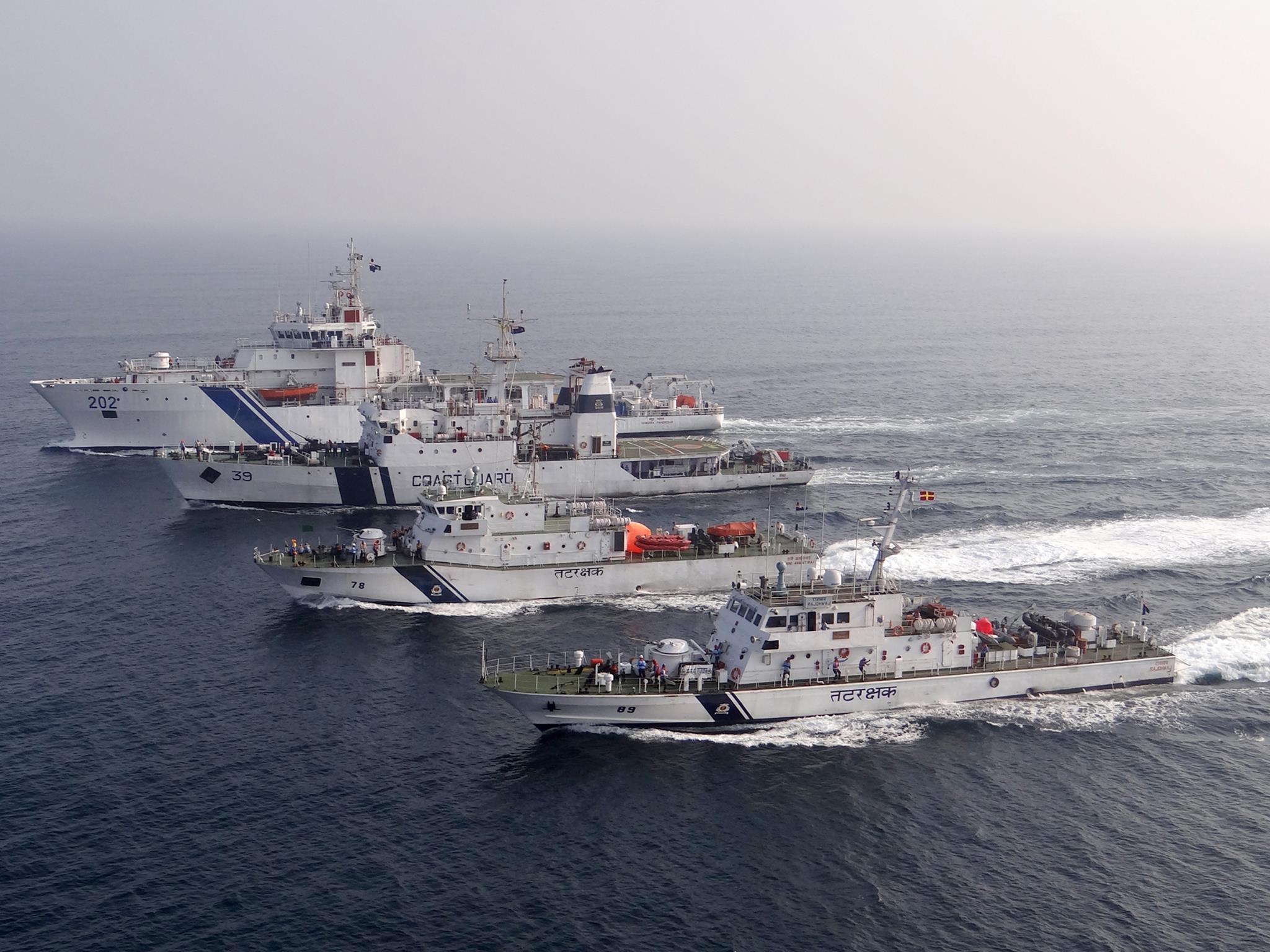
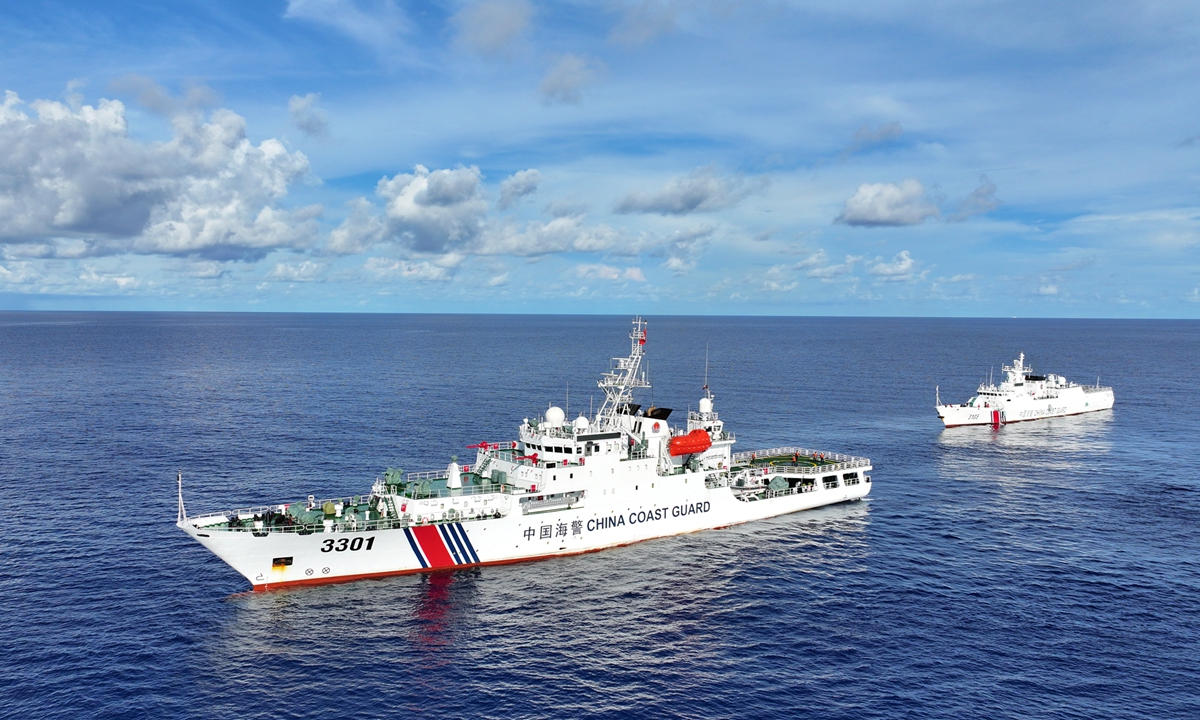
The discussions are taking place as tensions between China and the Philippines intensify over competing maritime claims in the South China Sea, where confrontations involving coastguard and other vessels have heightened regional security concerns. Although the Quad maintains that it is not directed against any particular country, its commitment to freedom of navigation, territorial sovereignty and opposition to coercion has acquired greater significance as Beijing expands its maritime influence.
Critical minerals are expected to occupy a prominent position in the talks, reflecting concerns over concentrated supply chains for materials essential to advanced electronics, defence manufacturing and clean-energy technologies. According to Reuters, the leaders could also examine threats to international commercial shipping, particularly disruptions that endanger energy supplies and the uninterrupted movement of goods through strategic sea lanes.
The proposed agenda builds on cooperation developed through earlier Quad initiatives, including maritime domain awareness, infrastructure development and emerging technologies. RNA Media has also reported earlier that assistance worth more than $85 million for expanding access to trusted artificial intelligence across the Indo-Pacific featured in recent ministerial discussions, illustrating the growing economic and technological dimensions of the partnership.
Why Quad matters to India
For New Delhi, the controversy comes at a sensitive point in its relationship with Washington, which has experienced friction over trade negotiations, tariffs and differing diplomatic approaches to regional security issues. Trump’s repeated claims concerning his role in ending the May 2025 India-Pakistan military confrontation have added another complication, with New Delhi consistently maintaining that the cessation of hostilities resulted from direct contacts between the two countries.
The Quad nevertheless remains strategically valuable to India because it provides a platform for cooperation with three major Indo-Pacific powers without the obligations associated with a formal military alliance. Its maritime initiatives complement India’s interests in maintaining secure sea lanes across the Indian Ocean and strengthening partnerships with countries concerned about unilateral changes to the regional security order.
The grouping’s history also offers perspective on the present uncertainty, having originated in diplomatic cooperation in 2007 before becoming largely inactive and subsequently being revived during Trump’s first presidency in 2017. It was elevated to the leaders’ level in 2021 under the administration of Joe Biden, eventually developing a wider agenda encompassing vaccines, infrastructure, technology, humanitarian assistance and maritime security.
The immediate question is therefore not simply whether the four leaders meet in Manila, but whether they can translate their shared strategic interests into tangible commitments despite differences over trade and relations with China. A summit producing credible initiatives on supply-chain resilience, maritime cooperation and regional infrastructure would strengthen Washington’s argument that the Quad remains operationally relevant, whereas another postponement or an inconclusive gathering would reinforce questions about its political momentum.
For India, the priority is preserving the Quad as an effective mechanism for regional stability and economic cooperation without allowing bilateral disagreements to undermine its broader objectives. The Manila meeting, if formally convened, will provide an important indication of whether the partnership can retain its strategic coherence under Trump’s second administration.