


Iran Submits 14-Point Peace Proposal, Trump Unlikely To Agree, But Warns “Big Price” For Tehran
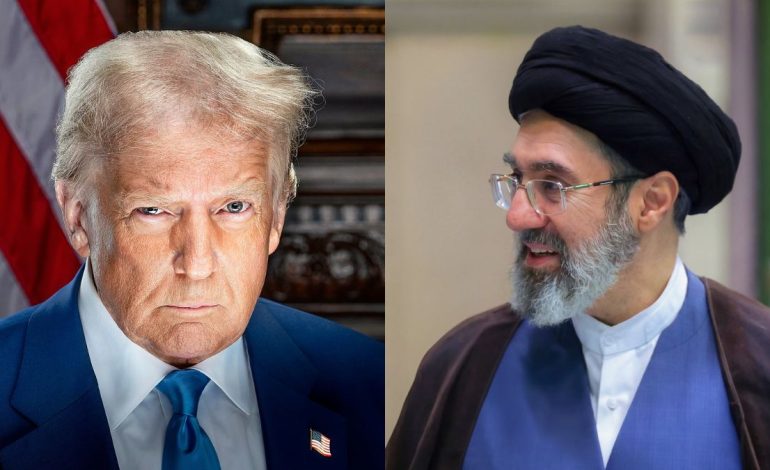
Trump signals rejection of Iran’s 14-point proposal, warning Tehran could face a heavy cost if tensions escalate. Image courtesy: X.com/@MKhamenei_ir and Wikimedia commons

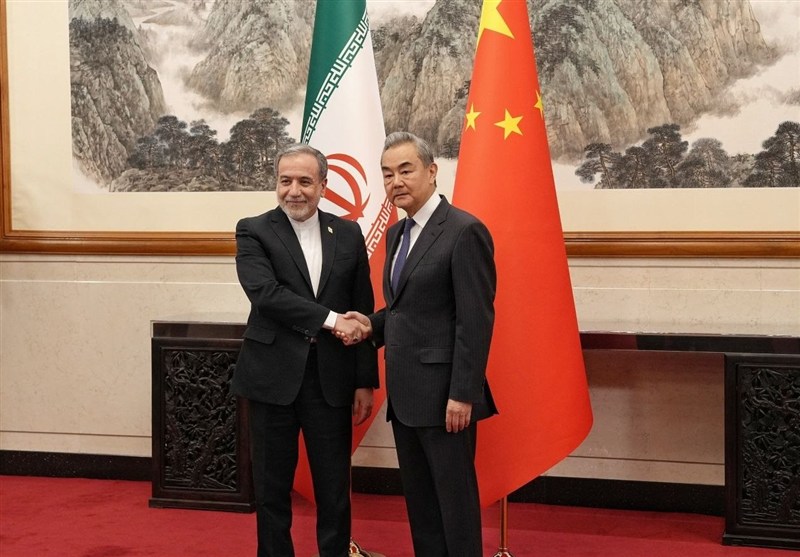
Iran is said to have sent a fresh 14-point peace talks proposal to the US through mediator Pakistan, but American President Donald Trump is unlikely to accept it, even as he warned that Tehran has not yet “paid a big price” for its actions.
Iran’s 14-point plan was in response to the US’s nine talking points to end the West Asian war that began on February 28 with the US-Israel airstrikes killing Iranian Supreme Leader Ayatollah Ali Khamenei.
According to reports, Iran linked any peace deal to American guarantees against any future military strikes and financial compensation for the war losses.
Iran also suggested that the peace agreement be reached within 30 days instead of the 60-day deadline proposed by the US. Tehran has insisted that the peace talks must focus on ending the war altogether, while the nuclear talks be postponed.
The Iranian proposal, the reports said, outlined a settlement plan, including ending military actions across the Gulf region, including Lebanon, while lifting the US naval blockade of Iranian ports.
Iran also wanted a new arrangement to govern the Strait of Hormuz, through which one-third of the global energy trade passes, without giving up its sovereignty.
Tehran wanted the economic sanctions on Iran to be lifted forthwith, along with the release of the Iranian assets abroad. “Now the ball is in the United States’ court to choose the path of diplomacy or the continuation of a confrontational approach,” Iran’s Deputy Foreign Minister Kazem Gharibabadi was quoted as saying.
The US, on the other hand, called for the dismantling of Iranian uranium enrichment facilities and ending enrichment itself, whereas Iran has insisted on its rights to enrichment, while agreeing to IAEA oversight.
Washington also wanted unrestricted access to the Strait of Hormuz, while Iran calls for the removal of the naval blockade of its ports and a revised regional framework to govern the waterway.
The US also asked Iran to stop all support to armed groups such as Hezbollah and the Houthis in West Asia, while proposing phased economic relief to Tehran.
Gharibabadi said Iran was open to both diplomacy and confrontation depending on Washington’s response. “It is up to the US whether to pursue a negotiated settlement or to return to open war,” he said.
Meanwhile, US President Donald Trump said he would review the Iranian proposal, but indicated it wouldn’t be acceptable to Washington. Trump argued that Tehran has not yet “paid a big enough price” for its actions
“I will soon be reviewing the plan that Iran has just sent to us, but I can’t imagine that it would be acceptable, in that they have not yet paid a big enough price for what they have done to Humanity and the World, over the last 47 years,” Trump said on Truth Social.
Expressing dissatisfaction over the Iranian proposal, Trump said: “They want to make a deal, I’m not satisfied with it, so we’ll see what happens,” he said.
Later, during a brief interaction with the media in Florida, Trump was asked if he would resume the strikes on Iran, to which he said there may be a possibility if Tehran “misbehaves”, but declined to specify what could trigger the action.
“If they misbehave, if they do something bad, but right now, we’ll see. But it’s a possibility that could happen, certainly,” he said.
Meanwhile, a fragile ceasefire announced on April 8 holds as of now, but the war of words indicates the tensions between the US and Iran are far from over.