
Iran says fresh US-Israeli strikes can’t force Tehran to shift policy as Hormuz standoff deepens
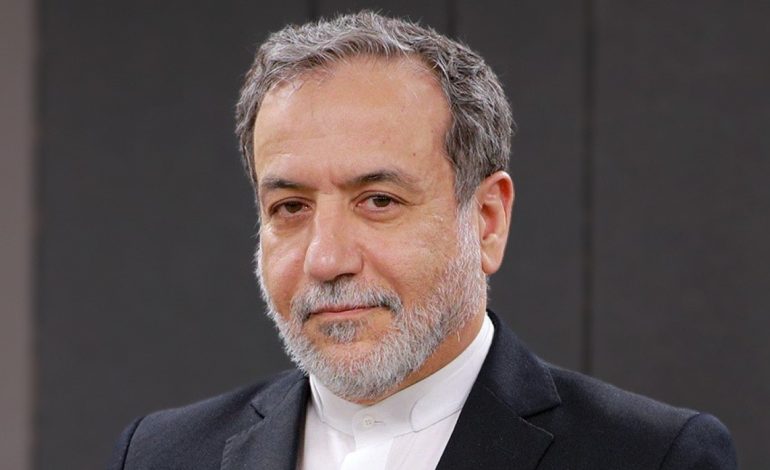
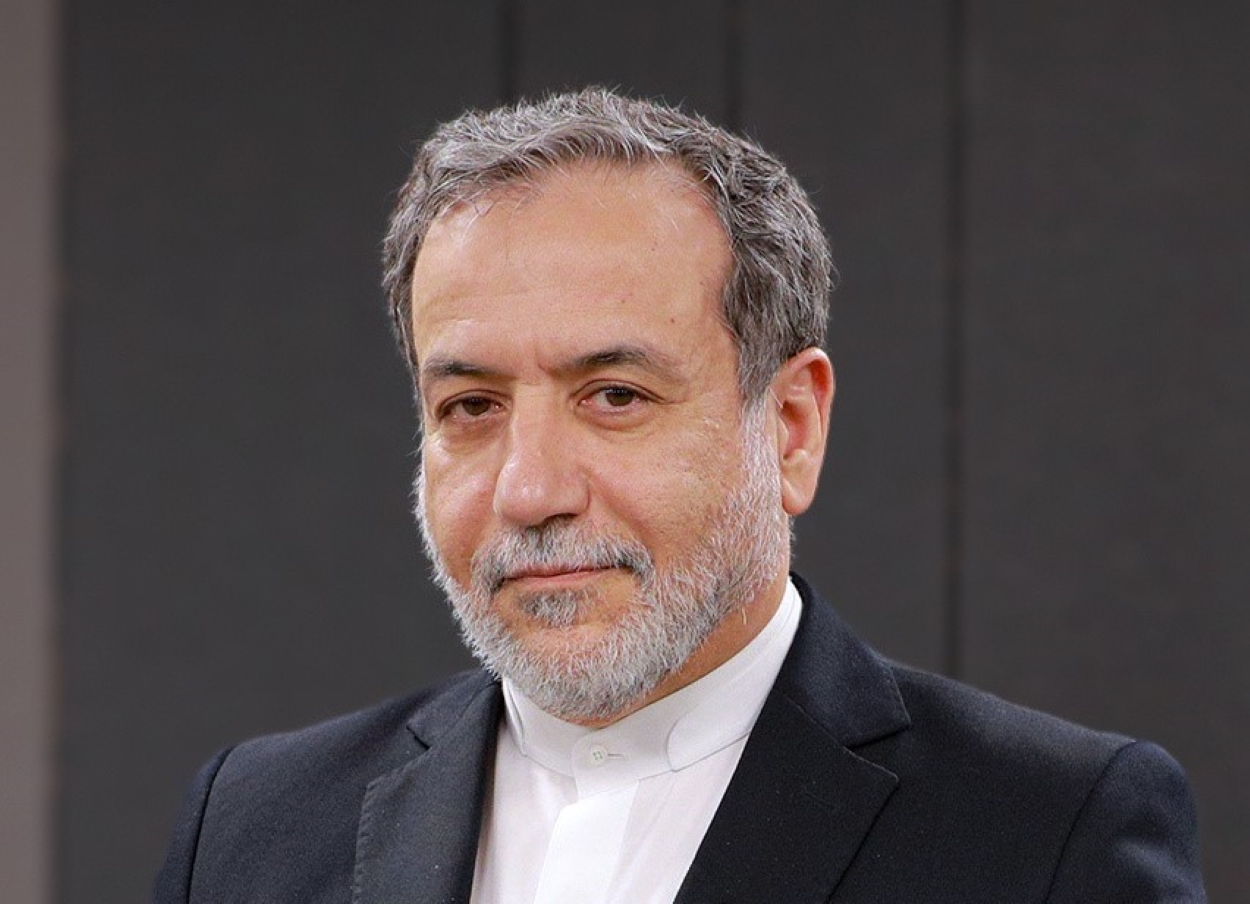
Abbas Araghchi. (Photo: Wikimedia Commons)

New Delhi: Iran’s foreign minister, Abbas Araghchi, said on Sunday that renewed military attacks by the United States and Israel would not persuade Tehran to change its policies. His remarks came as fresh threats of strikes raised concerns over the durability of the ceasefire and the continuing confrontation over shipping through the Strait of Hormuz.
Speaking at a televised event in Tehran, Araghchi dismissed the prospect that another round of fighting would produce a different political outcome. “Whether there is war or not, our policies remain the same,” he said, arguing that previous attacks had already demonstrated the limits of military pressure.
The US president, Donald Trump, had said on Friday that Washington “may do another little Epic Fury”, referring to the US-Israeli campaign launched against Iran on February 28. The warning renewed uncertainty around a conflict whose most intensive fighting subsided after the April 8 ceasefire, although sporadic exchanges continued around Hormuz.
Araghchi also used his address to argue that the war had fundamentally altered regional security arrangements, particularly the operation of the strategic waterway. He said shipping routes and the management of the strait could no longer function as they had before the conflict.
That position exposes a central disagreement between Tehran and Washington, which is that Iran insists on exercising authority over passage through Hormuz, while the United States demands unrestricted navigation. Araghchi said Tehran would welcome security proposals developed by countries within the region, reiterating its preference for a regional arrangement rather than one dependent on outside military powers.
Iran has targeted vessels attempting to cross without its authorization, while Washington has maintained a naval blockade of Iranian ports. Although military exchanges have eased in recent weeks, the competing restrictions have left maritime access entangled with negotiations over ending the conflict.
Diplomatic efforts have yet to resolve that dispute despite an interim understanding reached in June, with mediation by Pakistan and Qatar. The agreement was intended to restore shipping, end the American blockade and open negotiations towards a wider settlement covering Iran’s nuclear programme.
Iran’s ambassador to Pakistan, Reza Amiri Moghadam, said on October 24 that Tehran remained willing to pursue talks under that framework. In comments reported by the Associated Press, he said Iran had conveyed an offer through Islamabad to reopen Hormuz if Washington lifted its blockade, and accused Trump of rejecting those terms.
The June understanding subsequently unravelled amid mutual accusations of non-compliance, leaving the ceasefire without a lasting political settlement. Tehran has called for a return to that accord, even as Araghchi’s latest remarks signal that it intends to retain its demands over the waterway and the region’s security arrangements.
The stakes extend well beyond the countries directly involved in the fighting because Hormuz connects Gulf energy exporters with international markets. The International Energy Agency estimates that about 20 million barrels of crude oil and petroleum products passed through the strait each day in 2025, with China, India and Japan among the main importing countries.
For India, that dependence makes reliable passage through Hormuz a matter of energy security as well as regional diplomacy. The scale of the trade also explains why restoring commercial navigation remains a critical part of any settlement, alongside preventing renewed attacks and resolving the broader US-Iran dispute.