

Iran-Oman Hormuz deal hits sanctions, insurance roadblocks amid rising Houthi threat
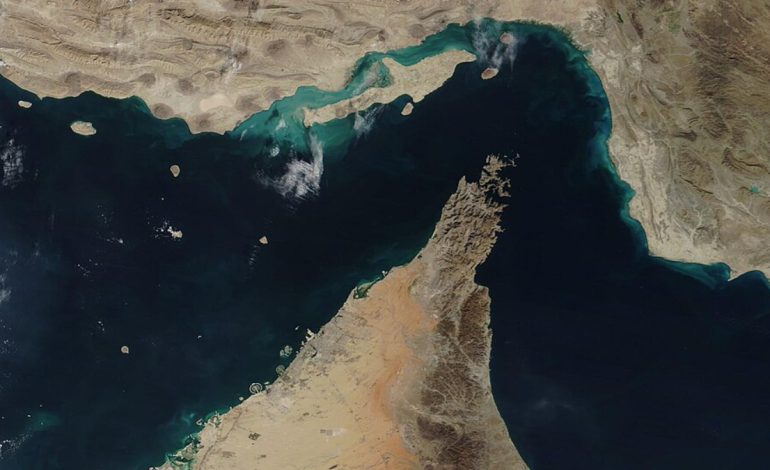
Iran-Oman Hormuz deal hits sanctions. (Image courtesy: Wikimedia)

New Delhi: A proposed Iran-Oman arrangement to regulate shipping through the Strait of Hormuz is facing major hurdles, with US sanctions and new insurance restrictions threatening to make any transit-fee system unworkable for commercial vessels. The proposal, under which Iran could intervene in inbound maritime traffic while outbound vessels would use a designated route through Iranian and Omani waters, comes as renewed Houthi attacks in Yemen add to growing security risks across the region’s key shipping corridors.
According to four industry sources cited by Reuters, any payments to Iranian authorities could create serious compliance risks for shipping companies because Washington has sanctioned Iran’s Persian Gulf Strait Authority, the body established by Tehran to operate the waterway. The US Treasury has also barred US persons from receiving services from the Iranian government linked to guarantees of safe passage, raising the possibility that payments could trigger sanctions-related consequences.
Iran is reportedly seeking fees equivalent to 5 per cent to 7 per cent of the value of cargoes passing through the strait, while Oman is discussing charges of around 3 per cent. Washington, meanwhile, is pushing for unrestricted passage without any fees.
The proposal has also run into opposition from the international shipping industry, which has warned that mandatory charges could effectively amount to a toll on one of the world’s most important maritime routes. Shipping associations have argued that vessels must be able to use international waterways safely and without discriminatory restrictions.
A further complication has emerged from the insurance market. The Lloyd’s Market Association introduced a clause in late July allowing war-risk insurers to terminate coverage for vessels that pay a transit fee, toll or other charge for passage through the Strait of Hormuz.
That leaves shipowners in a difficult position: refusing to pay could prevent them from obtaining clearance under a future Iran-Oman arrangement, while paying could affect their war-risk insurance. Vessels operating through the conflict-affected waterway already require additional war-risk cover because of the possibility of damage during transit.
The International Maritime Organization’s governing council said in July that countries around the Strait of Hormuz should uphold the non-discriminatory and unimpeded right of transit passage and keep the route free from tolls and charges.
The Hormuz dispute comes amid a broader deterioration in maritime security across the region. In Yemen, Iran-aligned Houthi forces have launched deadly missile attacks against Saudi-backed government positions in Hadramout and Marib, killing at least 30 soldiers and injuring 15 others, according to Al Jazeera.
The attacks, described by Al Jazeera as among the deadliest in Yemen’s civil war in years, targeted military camps belonging to several government formations. Houthi military spokesman Yahya Saree claimed the strikes caused hundreds of casualties, while Yemeni military sources said eight missiles were fired from Al Jawf towards positions in Hadramout and Marib.
The escalation has also spilled towards Saudi Arabia, with the Saudi-led coalition saying a separate Houthi attack on the border city of Najran injured 11 civilians, including a woman and a child.
The renewed fighting comes after the Houthis announced a maritime blockade targeting Saudi Arabia and began attacking Saudi-linked vessels in the Red Sea. The developments have added further pressure on shipping operators already facing uncertainty over access to the Strait of Hormuz.
Hormuz represents a large portion of the world’s oil shipments, and the Red Sea is an important trade route between Asia and Europe. Instability at both waterways at the same time could further rattle energy markets and global shipping.