Guterres’s final UNGA: His journey as UN secretary-general since 2017
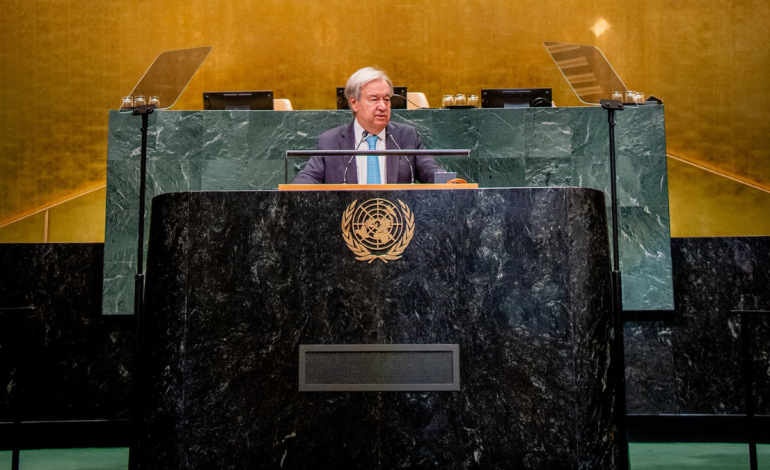
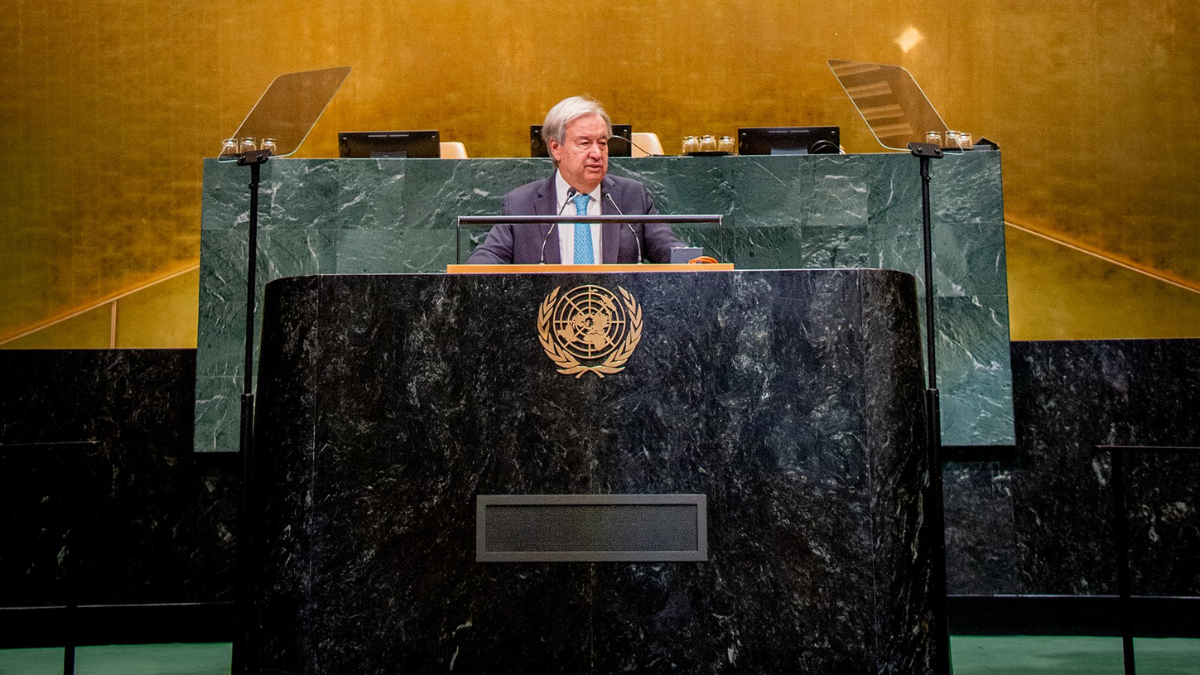
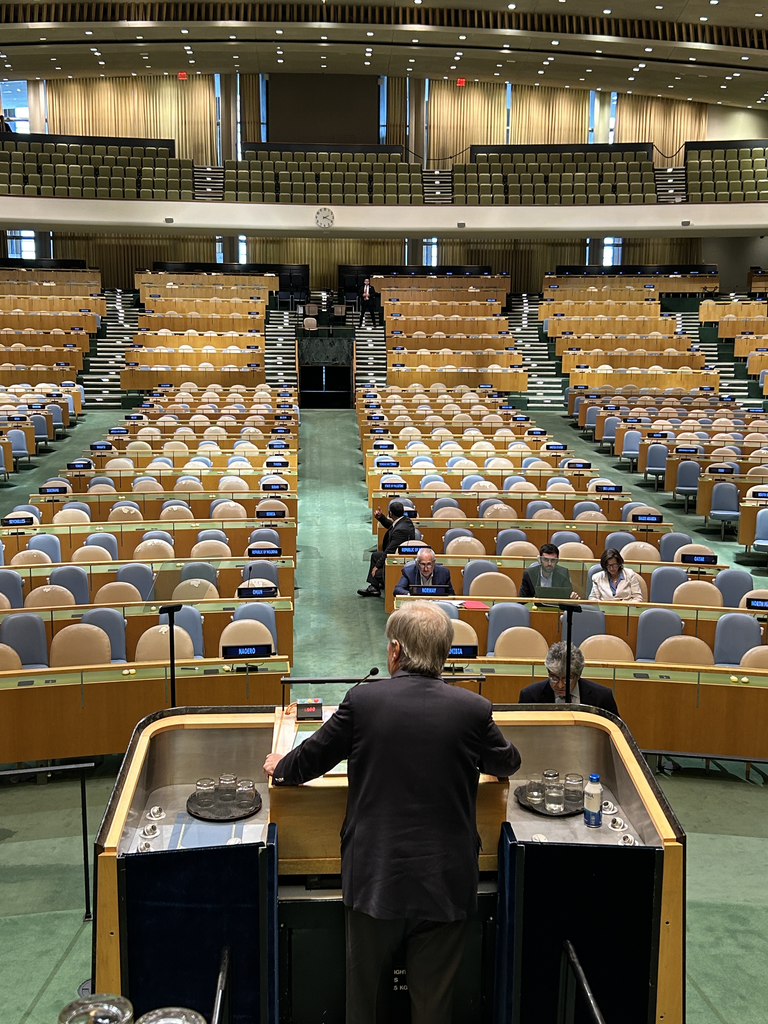
António Guterres final UNGA. (Image courtesy: X/@antonioguterres)

New Delhi: World leaders are gathering in New York for the 81st session of the United Nations general assembly, with conflicts, global security, UN reforms and the future of international cooperation among the major issues before them. The high-level week is also expected to bring countries together for discussions on the West Asia conflict, shipping security, the Ukraine war and other global challenges.
But this UNGA is also important because it is António Guterres’ final general assembly as UN secretary general before his term ends in December 2026.
Ahead of the gathering, Guterres said this would be his “last UNGA as secretary general” and called for international dialogue, cooperation and collective action. In a post on X, he said the world must continue working towards peace, dignity, justice and a better future despite the challenges facing countries.
Guterres has also urged world leaders not to give up on international cooperation at a time of conflict, inequality and growing geopolitical divisions. His final UNGA therefore comes as the UN continues to face questions over how effectively it can respond to major international crises.
Who is António Guterres?
Guterres, a Portuguese politician and diplomat, became the ninth secretary general of the United Nations on January 1, 2017. Before taking the UN’s top post, he served as Portugal’s prime minister from 1995 to 2002 and as UN high commissioner for refugees from 2005 to 2015.
His experience at the UN refugee agency came during major displacement crises, including those linked to conflicts in Syria, Iraq, South Sudan, the Central African Republic and Yemen. He brought that humanitarian experience into his work as secretary-general, with human rights, humanitarian assistance and international cooperation becoming important parts of his agenda.
During his two terms, Guterres made climate change, sustainable development, humanitarian assistance, human rights and multilateral cooperation key areas of his work. The UN also identifies his response to the Covid-19 pandemic, efforts on climate action and gender equality, and attempts to advance institutional reforms among the major areas of his tenure.
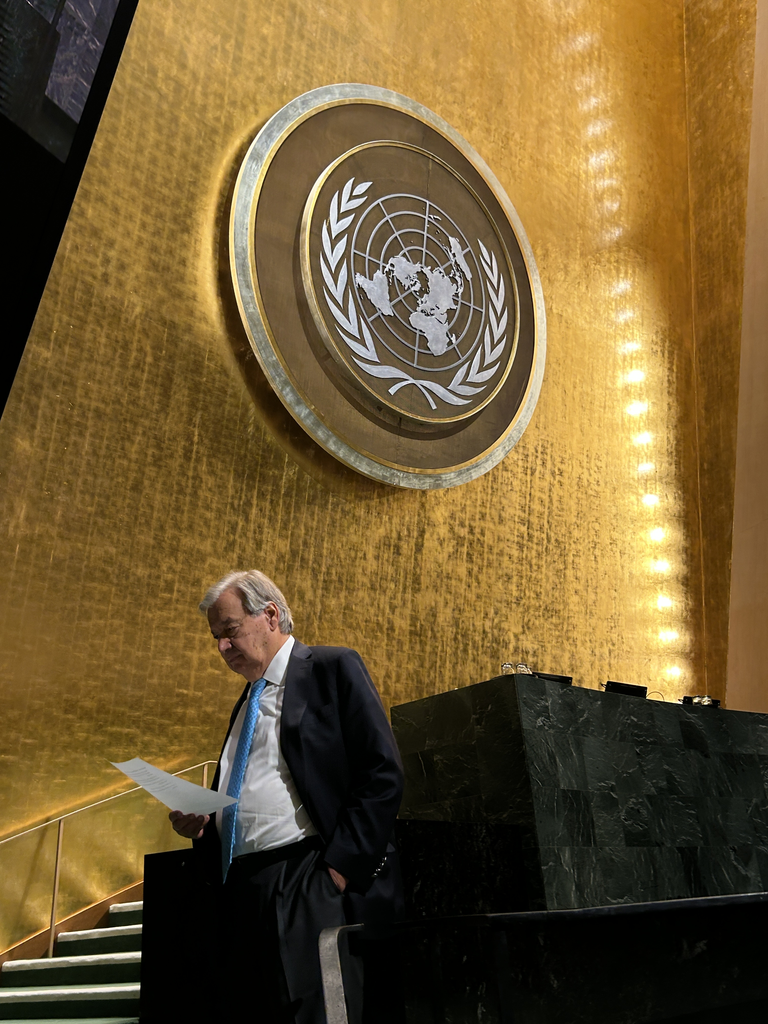
One of his major initiatives was “Our Common Agenda”, launched in 2021 to strengthen international cooperation and accelerate progress on the sustainable development goals. The initiative called for a more inclusive and effective multilateral system and led to the 2024 Summit of the Future.
During the Summit of the Future 2024, member nations approved the Pact for the Future, which also includes a global digital compact and the declaration for future generations. This package of documents was developed to update international cooperation and enhance global institutions in response to new challenges.
The crises that shaped his tenure
There were quite a number of crises that occurred while Guterres was in office, starting from the outbreak of the Covid-19 pandemic and then other conflicts and humanitarian disasters elsewhere around the world. These crises include the war between Russia and Ukraine, the conflict in Gaza, the crisis in Afghanistan, climate crises and geopolitical divisions.
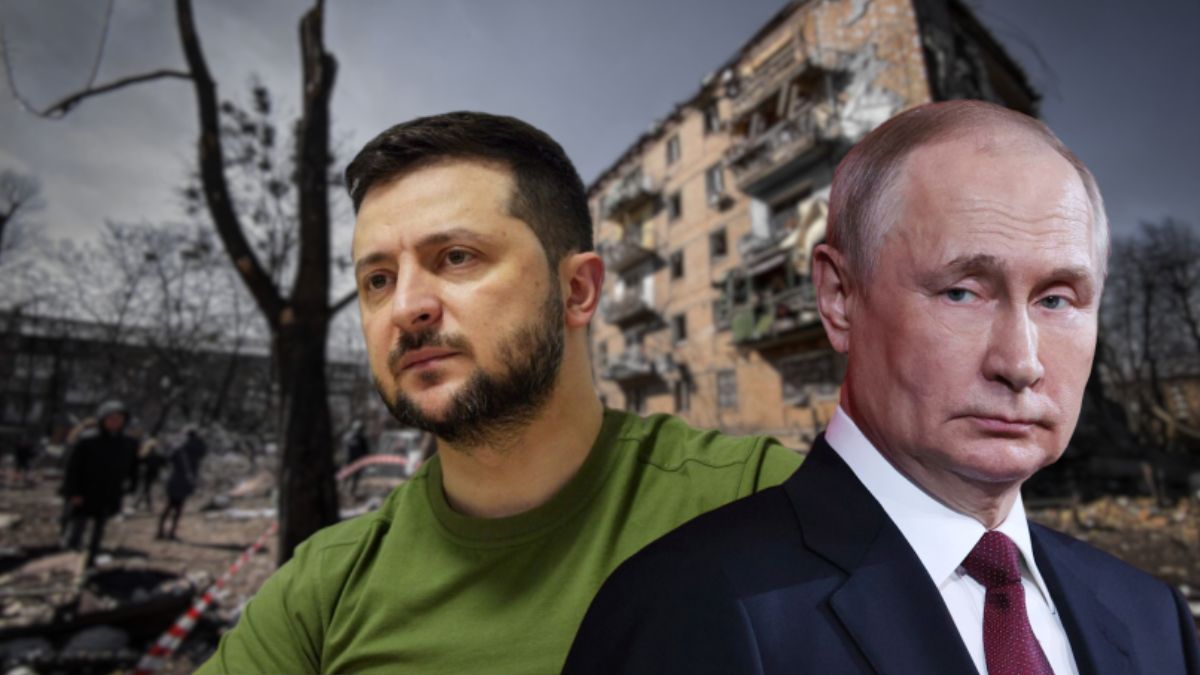
One of the clearest examples of his diplomatic role came during the Russia-Ukraine war. The UN and Turkiye helped broker the Black Sea Grain Initiative in 2022, allowing food exports to move from Ukrainian ports despite the war.
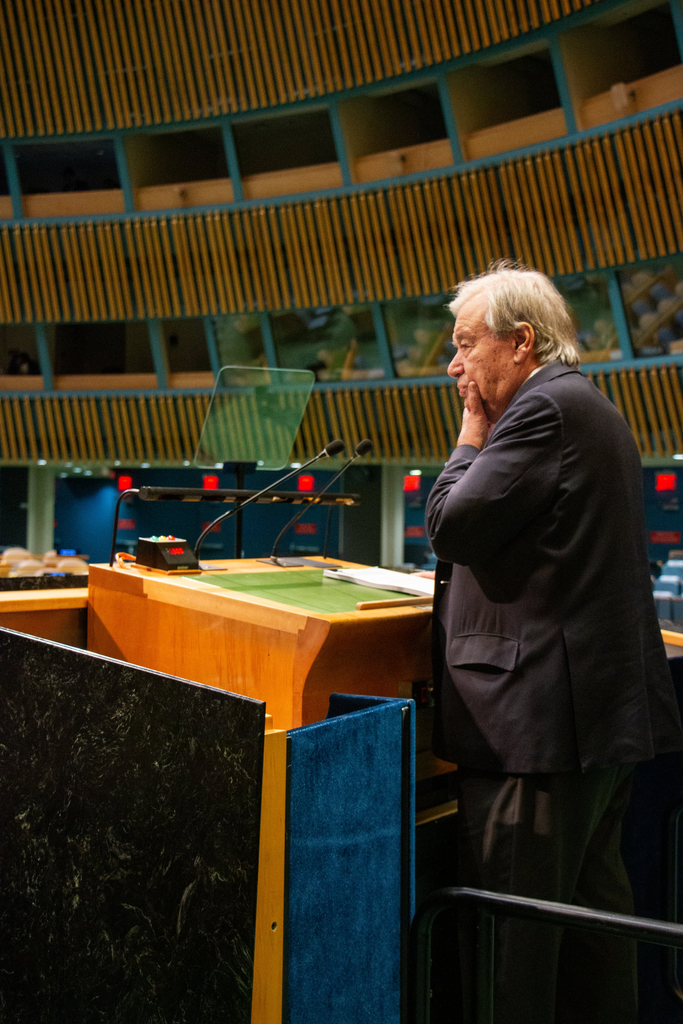
The initiative moved more than 32 million tonnes of grain and food products to 45 countries before it ended in July 2023. The UN said the arrangement helped support global food supplies and enabled the world food programme to transport hundreds of thousands of tonnes of wheat for humanitarian operations.
The limits of the UN chief’s role
Guterres has also faced the limits of the secretary general’s position as major powers have remained divided over conflicts and international security. The secretary-general can mediate, raise concerns, coordinate humanitarian assistance and encourage negotiations, but major decisions at the UN depend heavily on member states.
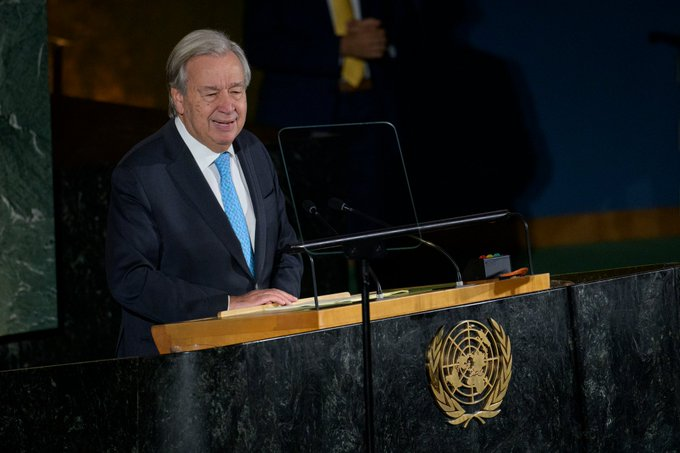
It is especially the case with the structure of the security council, in view of the fact that its five permanent members have veto powers. This has been one of the reasons for the difficulty in reaching a consensus on several important conflicts.
What Guterres leaves behind
Guterres will complete his second term on December 31 this year, after almost 10 years as secretary general. His tenure has combined humanitarian diplomacy and calls for stronger multilateral cooperation with some of the most difficult international crises faced by the UN in recent decades.
His final UNGA therefore comes at a time when the organization is discussing not only current conflicts but also how the international system should respond to future challenges. The central question for the next secretary-general will be how to strengthen cooperation among countries while dealing with the divisions that have complicated the UN’s response to major crises.
The process of selecting the UN’s 10th secretary general is already underway. The process was formally initiated in November 2025, and the UN has been publishing the nominations, candidates’ vision statements and other information as the process progresses.
The secretary general is not chosen directly by the UN general assembly during the high-level week. The security council recommends a candidate, after which the 193-member general assembly formally appoints the secretary-general.
Guterres’ final UNGA will therefore mark the closing phase of his tenure rather than the formal selection of his successor. As he prepares to leave office at the end of 2026, the UN is already looking towards the next secretary-general, who will inherit an organization dealing with wars, humanitarian crises, climate challenges and growing divisions among its member states.