Iran holds firm on 7 demands to break conflict deadlock as JD Vance explores direct US talks
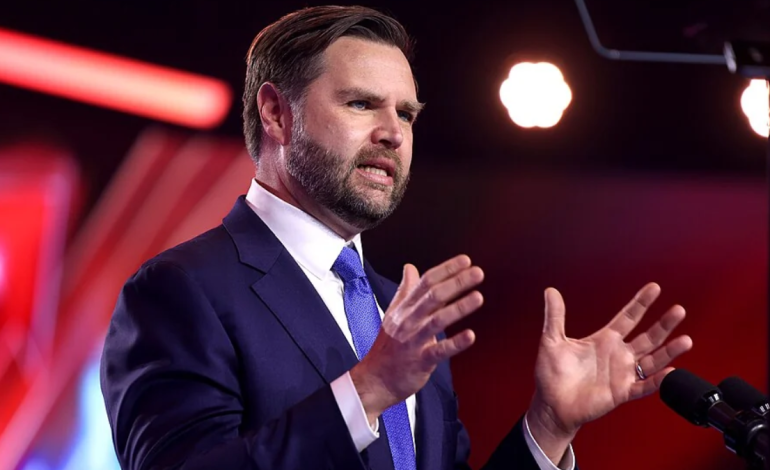
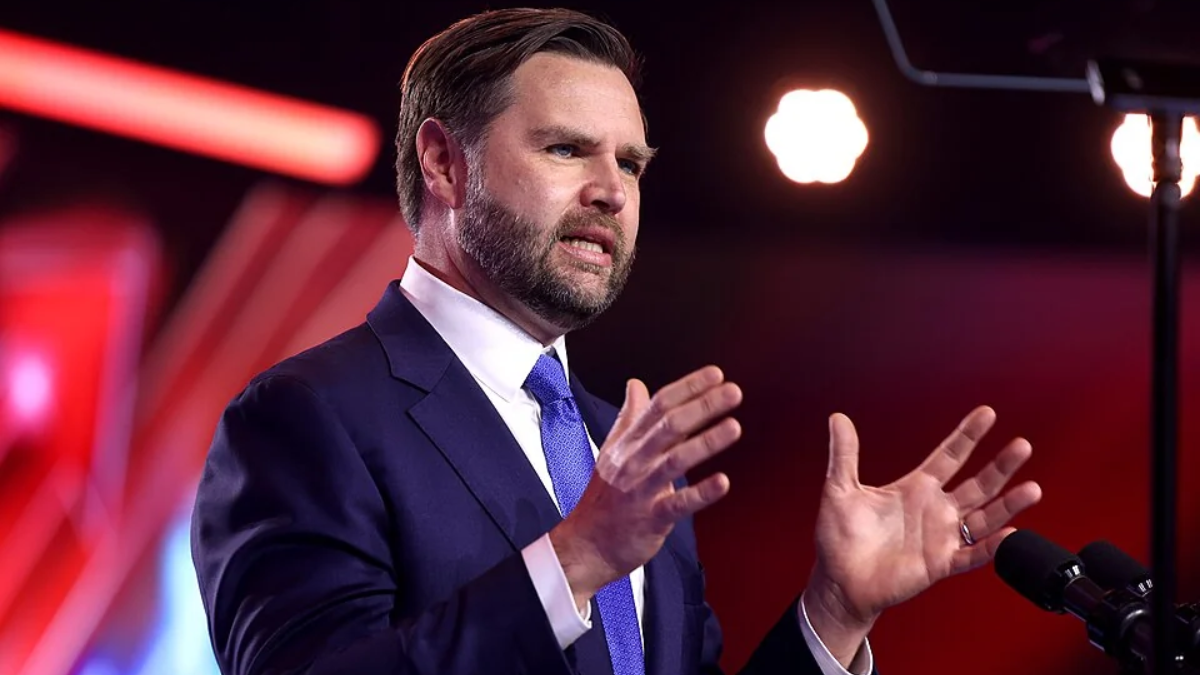
JD Vance explores direct US talks. (Image courtesy: Wikimedia)

New Delhi: Iran has said it will not decide on fresh negotiations with the United States until Washington fulfils seven conditions set by Tehran. Basij organization chief, Hossein Taeb, said on Thursday that Iran would determine the format and agenda of any talks only after the other side accepts and meets its demands.
Speaking at a ceremony in Tehran commemorating members of the Islamic Revolution Guards Corps (IRGC) Aerospace Force killed in the conflict, Taeb dismissed Washington’s proposed deadlines for restarting negotiations. He said the United States had initially suggested a seven-day window before reducing it to two days, but neither deadline would change Iran’s position, IRNA reported.
Taeb also said the recent military confrontations with the United States and Israel had changed how the opposing side viewed Iran’s defence capabilities. Referring to the 12-day and 40-day conflicts, he claimed that the strikes had forced a reassessment of Iran’s military strength.
He further pointed to the Strait of Hormuz as a key factor in the confrontation. Taeb said the possibility of a blockade reflected the waterway’s importance in the changing balance of power. He added that the ability of both sides to sustain the conflict would play a major role in determining its course.
What are Iran’s seven conditions?
Iran’s demands cover the military conflict, economic restrictions and its relations with Washington. Tehran has called for an end to the war on all fronts, particularly in Lebanon, and demanded the release of billions of dollars in Iranian funds frozen overseas.
It has also sought an end to the US naval blockade of Iranian ports. On the political front, Iran wants Washington to stop interfering in its internal affairs and end cooperation with groups it describes as “the opponents of our revolution”.
The remaining demands concern military action and maritime access. Tehran has called for an end to all US attacks on Iranian territory and the reopening of the Strait of Hormuz, a strategic shipping route for global oil and gas supplies.
The first six demands were outlined by the Iranian security chief, Mohsen Rezaei, in an interview with Al Jazeera on September 19. Iran’s parliament speaker, Mohammad Bagher Ghalibaf, separately reiterated Tehran’s position on the Strait of Hormuz, linking the reopening of the waterway to the fulfilment of its conditions and US commitments.
Iran’s statement comes as the Trump administration explores a possible diplomatic opening with Tehran. The United States president, Donald Trump, has authorized the US vice-president, JD Vance, to lead renewed efforts to restart negotiations, the Wall Street Journal reported on Wednesday.
As part of the initiative, Vance reportedly wrote to Mohsen Rezaei, secretary-general of Iran’s supreme national security council, in October seeking a meeting. However, Rezaei said on Tuesday that no meeting with the Vance had been scheduled. The two sides have continued communicating through regional intermediaries, but direct talks remain uncertain.
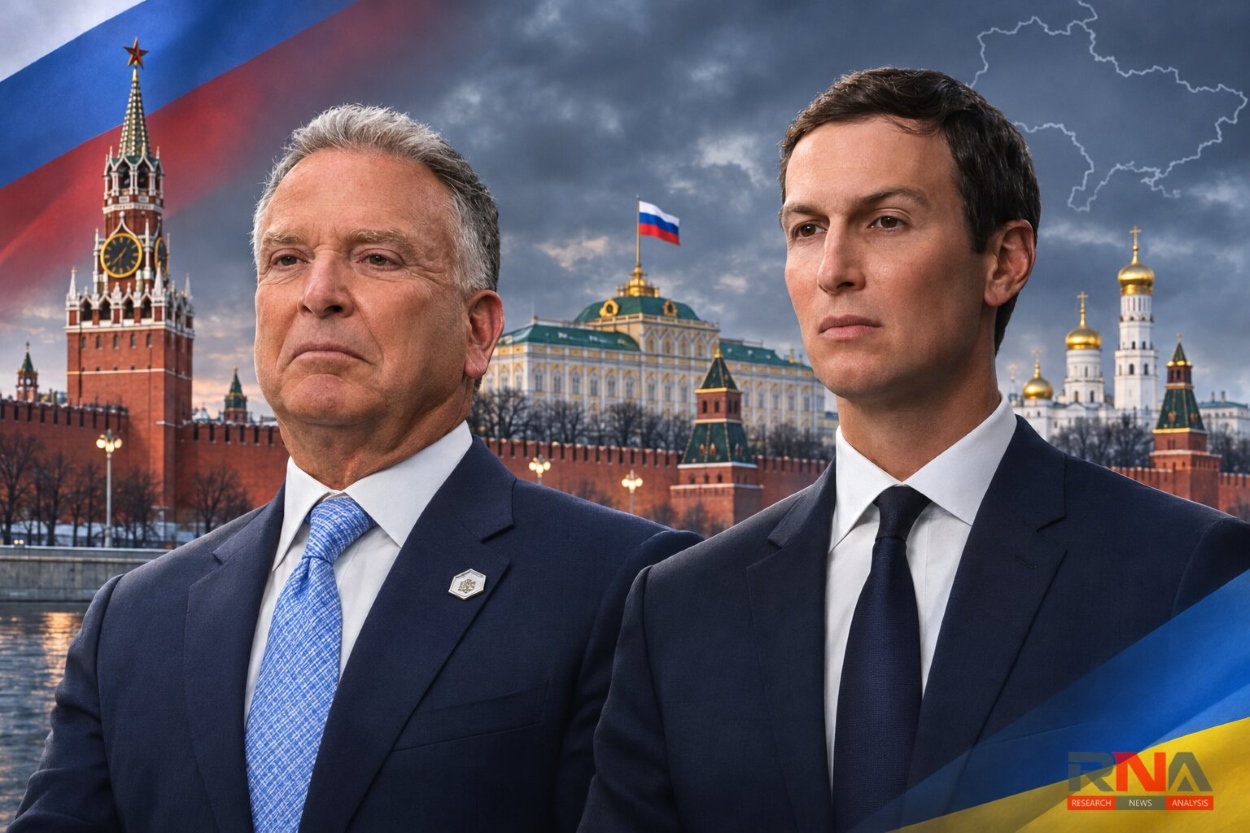
Vance’s involvement also marks a change in Washington’s negotiating approach, with presidential envoys Steve Witkoff and Jared Kushner reportedly moving into secondary roles. The assignment carries political significance for Vance, particularly after he described the conflict as a liability for Republicans following their setback in last week’s US midterm elections.
His position differs from that of secretary of state, Marco Rubio and war secretary, Pete Hegseth, who have supported Trump’s military campaign. Rubio and White House chief of staff, Stephen Miller, are reportedly pushing to maintain the naval blockade until Iran agrees to Washington’s demands.
Trump has also privately questioned the June memorandum of understanding, which Vance helped negotiate. Two US officials told the Journal that the Trump believes the arrangement allowed Tehran to rebuild its capabilities and earn money through oil exports.
The diplomatic efforts follow the conflict that began on February 28, when the United States and Israel launched joint military operations against Iran.