

Trump’s envoys land in Moscow for Putin talks as Ukraine peace push hits territorial deadlock
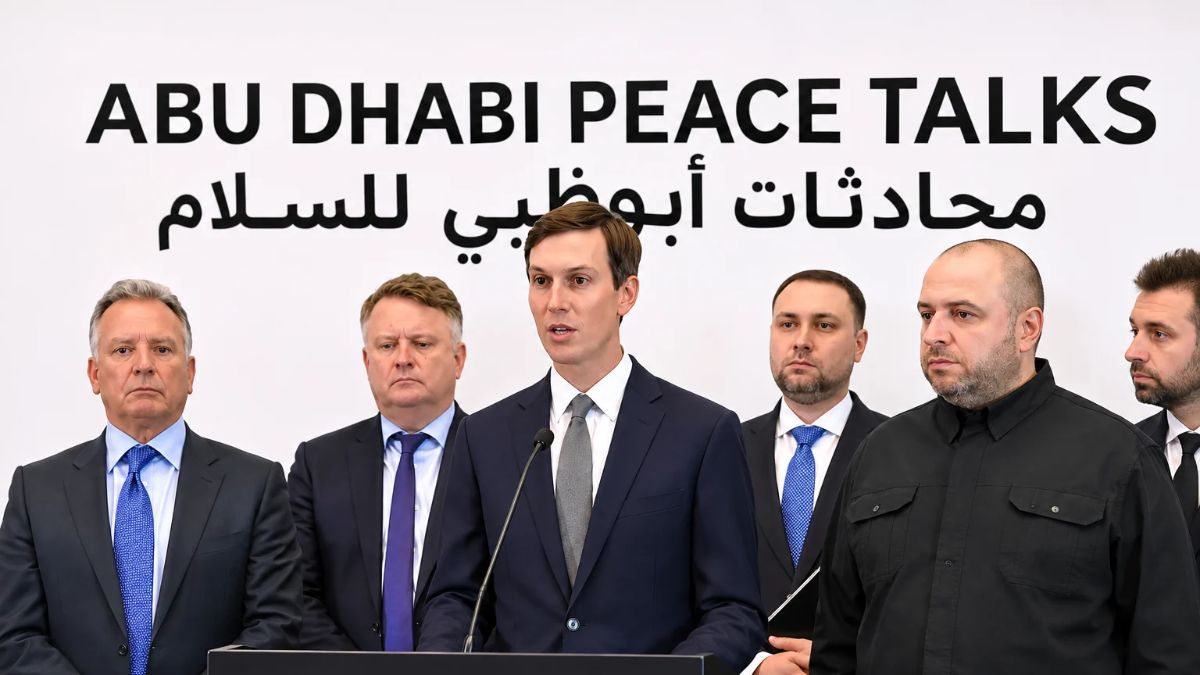
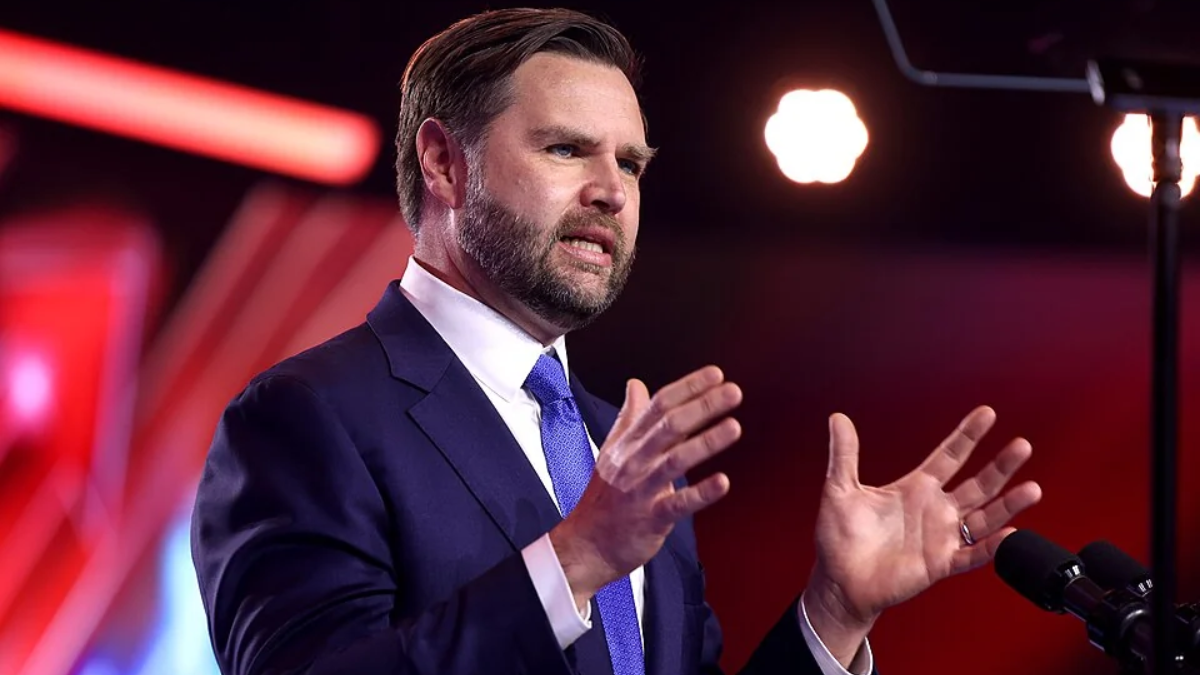
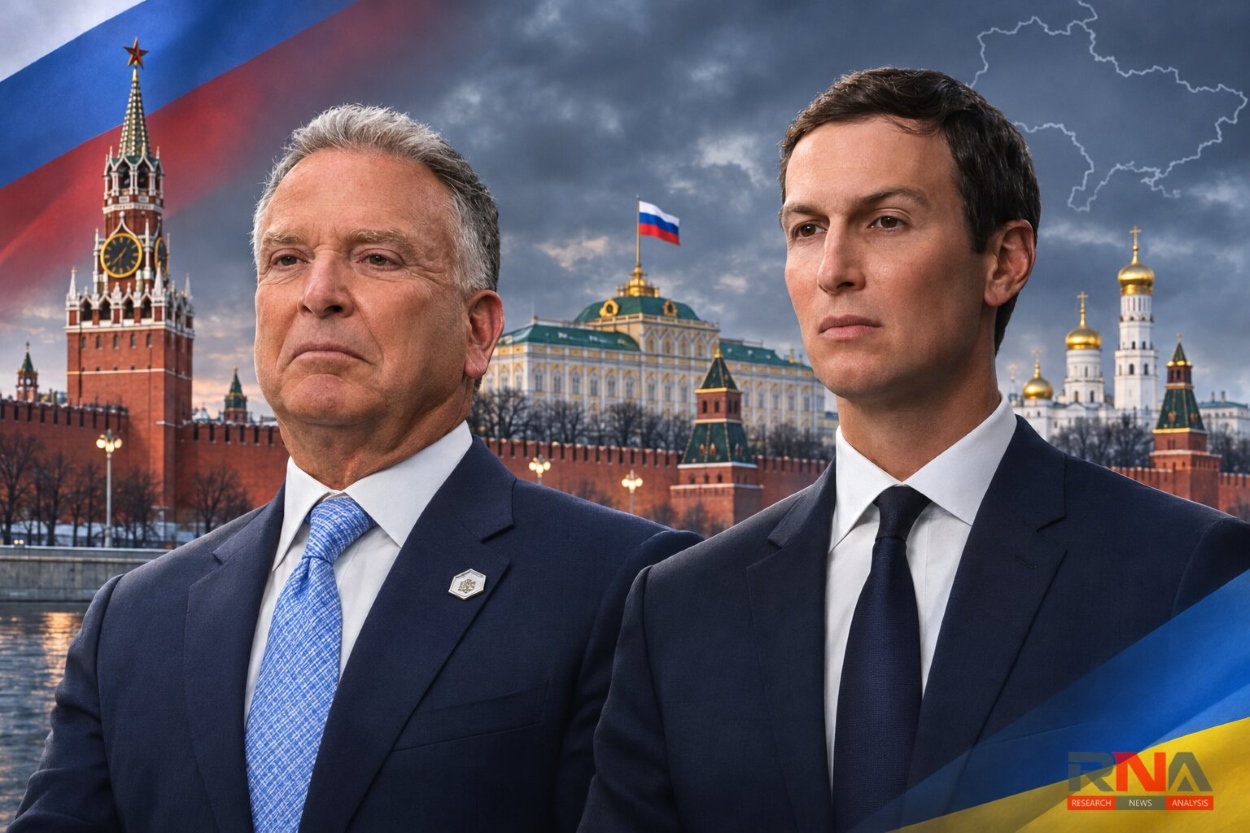
RNA Media illustration featuring Steve Witkoff (L) and Jared Kushner for representation.

New Delhi: Two senior American envoys arrived in Moscow on Thursday for talks with the Russian president, Vladimir Putin, as Washington intensified efforts to negotiate an end to the nearly five-year war in Ukraine. Their visit follows two days of US-mediated negotiations in Abu Dhabi that produced an agreement in principle on a major prisoner exchange but failed to resolve fundamental disagreements over territory, security guarantees and Europe’s involvement in a future peace settlement.
The US special envoy, Steve Witkoff, and the American president, Donald Trump’s son-in-law and adviser, Jared Kushner, were received at Moscow’s Vnukovo Airport by the Russian presidential envoy, Kirill Dmitriev. According to reports, the two Americans were expected to brief Putin on the outcome of the November 10–11 negotiations involving Russian, Ukrainian and US representatives in the United Arab Emirates.
The Moscow discussions represent another attempt by the Trump administration to break a diplomatic impasse that has persisted despite repeated American interventions and direct engagement with the Kremlin. Witkoff, who has become Washington’s principal interlocutor with Putin, is making his tenth in-person visit to the Russian leader during the current peace efforts.
Before departing Abu Dhabi, Kushner acknowledged that negotiations remained difficult but suggested that certain proposals deserved further examination. He said the American delegation had identified possible openings during discussions with both sides and intended to explore whether those could lead to meaningful progress.
Prisoner exchange offers limited breakthrough
The most tangible outcome of the Abu Dhabi negotiations was an understanding between Moscow and Kyiv to conduct what could become the largest prisoner exchange of the conflict. According to Associated Press, representatives of both countries confirmed the arrangement, although the precise numbers and implementation timetable had not been finalized.
The Ukrainian president, Volodymyr Zelenskyy, indicated that proposals under consideration involved exchanging between 1,000 and 1,500 prisoners from each side. Such an exchange would constitute a significant humanitarian achievement, although previous prisoner swaps have demonstrated that limited cooperation can continue even when negotiations over ending the war remain unsuccessful.
The Russian delegation, headed by presidential aide Vladimir Medinsky, described the talks as productive in certain areas but acknowledged that substantial differences persisted. Ukraine’s chief negotiator, Rustem Umerov, similarly indicated that further negotiations would be necessary before any comprehensive agreement could emerge.
Donbas remains the biggest obstacle
Territorial control continues to present the greatest challenge to a negotiated settlement, particularly Russia’s demand that Ukraine relinquish the remaining areas of the eastern Donbas region under Kyiv’s control. Moscow regards Ukrainian withdrawal from these territories as a necessary condition for peace, whereas Kyiv rejects surrendering internationally recognized Ukrainian territory under military pressure.
The dispute extends beyond sovereignty to the military balance that would emerge after a settlement. Ukrainian officials fear that surrendering strategically important defensive positions in Donetsk could weaken the country’s ability to withstand another Russian offensive, especially without binding international security guarantees.
Washington has consequently attempted to broaden discussions beyond territorial concessions to include postwar security arrangements, reconstruction and mechanisms intended to prevent renewed hostilities. However, linking these subjects creates additional complications because Russia and Ukraine hold fundamentally different views about the future military relationship between Kyiv and Western countries.
The latest round also comes after earlier negotiations in Geneva in February failed to deliver a settlement, with American diplomatic attention subsequently diverted by the conflict involving Iran. Despite renewed engagement, neither Moscow nor Kyiv has publicly indicated a willingness to make the concessions necessary for a comprehensive agreement.
Europe’s role exposes another divide
A further disagreement concerns whether European governments should participate directly in negotiations determining Ukraine’s future and the continent’s security architecture. Kushner has argued that European countries must eventually become involved because any durable settlement would require their participation in security guarantees and reconstruction.
Russia has resisted expanding the negotiating format, questioning whether European governments supplying military assistance to Ukraine could contribute constructively to the process. Medinsky nevertheless indicated that Moscow might consider concrete European proposals, although he remained dismissive of their present involvement.
This disagreement has wider implications because European states would probably bear substantial responsibility for financing Ukraine’s recovery and maintaining any long-term security arrangements. A settlement negotiated principally between Washington and Moscow, without meaningful European participation, could therefore encounter considerable difficulties during implementation.
Fighting continues despite diplomatic engagement
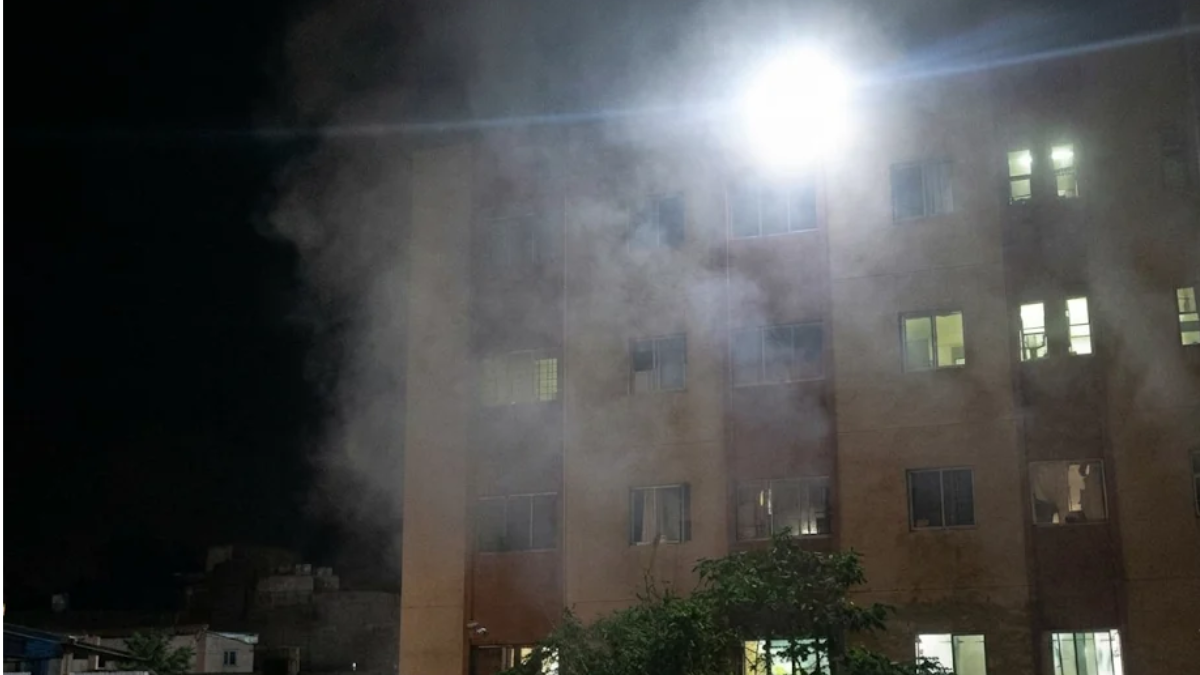
The renewed diplomacy has not produced a reduction in hostilities, with Russia and Ukraine continuing long-range attacks against military, energy and infrastructure targets. On Thursday, explosions were reported in Kyiv, while Russian authorities said their air defences had intercepted Ukrainian drones approaching Moscow and other regions, according to Reuters.
The continuing strikes underline the limited practical impact of negotiations without an accompanying ceasefire. They also reinforce concerns about Ukraine’s energy infrastructure as winter approaches and about the growing economic and military costs of sustaining the conflict.
Following their Moscow discussions, Witkoff and Kushner are expected to travel to Dublin to brief Zelenskyy, who is scheduled to attend meetings with European leaders. Their immediate diplomatic challenge is to determine whether the limited understandings reached in Abu Dhabi can be converted into substantive concessions by both governments.
For now, the proposed prisoner exchange offers evidence that negotiations remain possible, but it does not establish that a broader peace agreement is approaching. Unless the parties narrow their differences over territory, credible security guarantees and Europe’s participation, Washington’s latest initiative risks producing another round of diplomacy without a decisive change in the war.
1 Comment
[…] International November 12, 2026 […]