

COP31 climate summit begins as countries push for faster energy transition
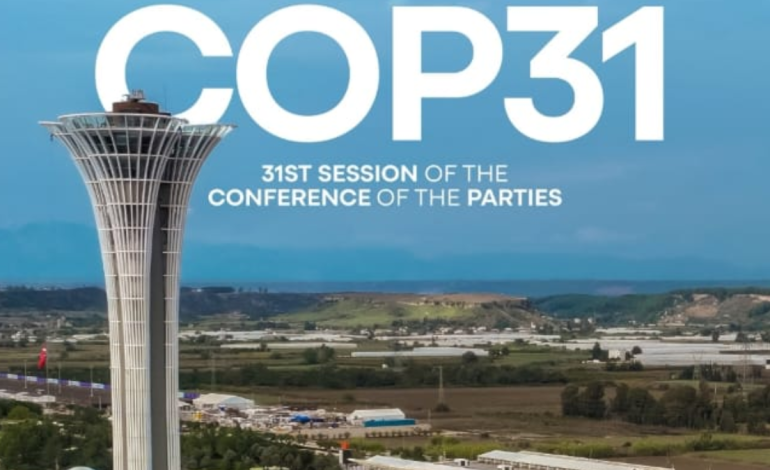
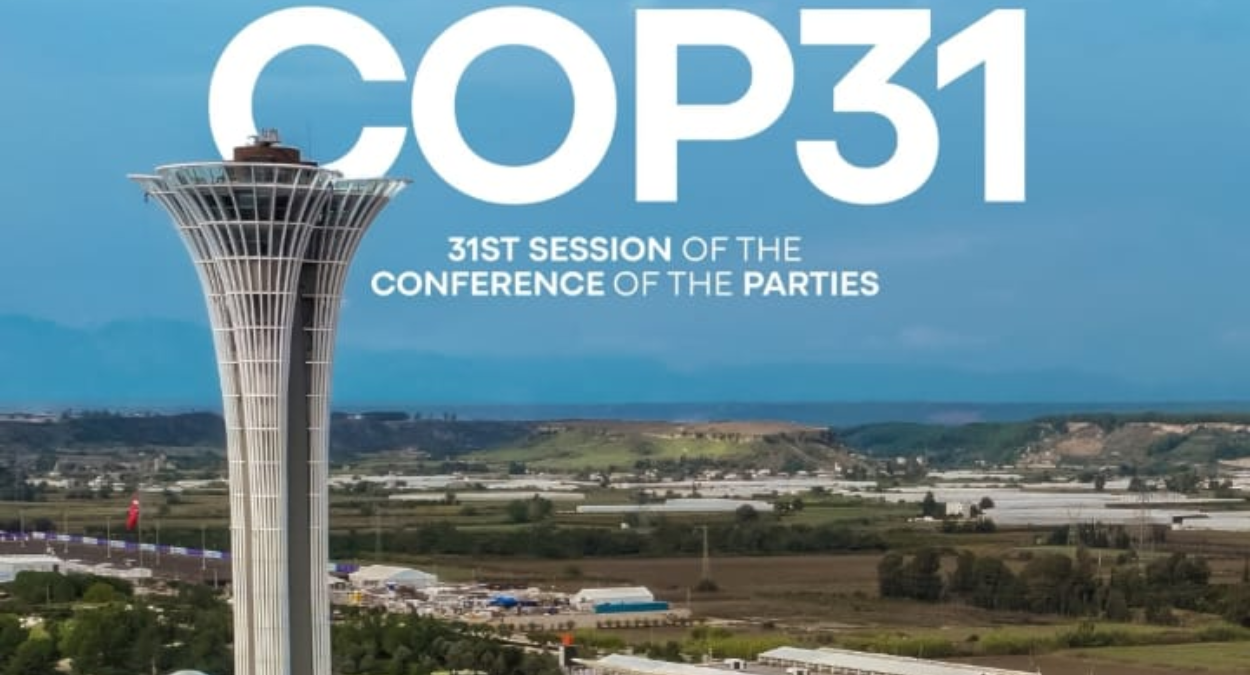
COP31 climate summit. (Image courtesy: X/@turkiyecop31)

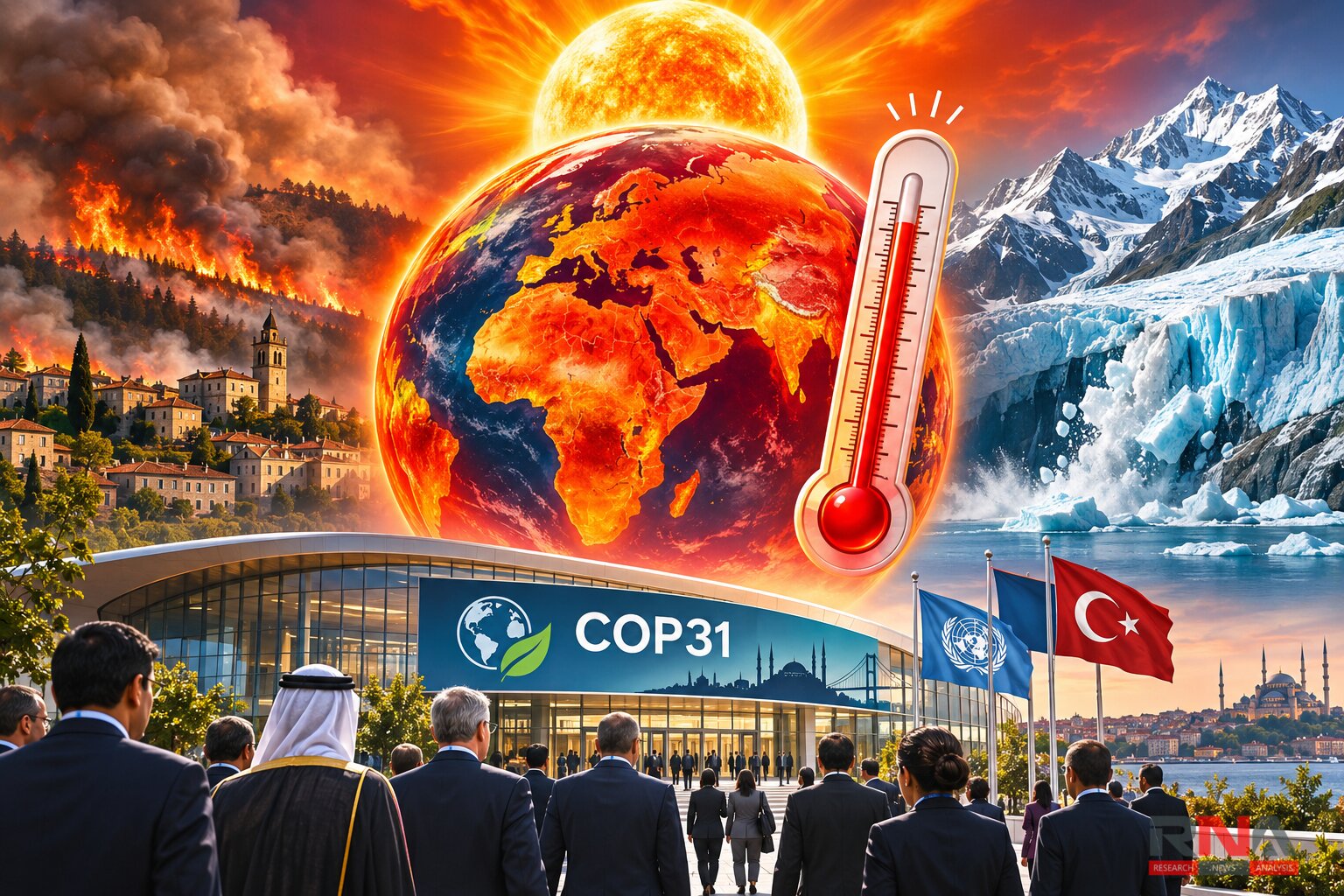
New Delhi: The global climate movement faces a new political challenge as COP31 begins in Turkiye. With the United States stepping away from the Paris climate agreement, other major economies could take a bigger role in shaping international climate policy.
The November 9–20 summit comes amid rising temperatures, extreme weather events and growing geopolitical tensions. More than 190 countries are expected to participate in discussions on the future of global climate action.
This year’s summit will follow an unusual leadership arrangement. Turkiye will host the conference, while Australia will preside over the formal negotiations.
The arrangement follows a compromise between the two countries after both sought the presidency. Their shared responsibilities will cover international negotiations as well as voluntary climate initiatives.
The debate over climate change is increasingly linked to economic security. Rising energy costs and geopolitical conflicts have exposed the risks of relying heavily on imported fossil fuels.
Countries are now looking at renewable energy as both an environmental solution and a way to strengthen domestic energy supplies. China’s expanding electric vehicle industry and Pakistan’s rooftop solar growth highlight this changing landscape.
Developing nations seek financial support
Climate finance remains a major concern for developing countries. Many are struggling to recover from floods, droughts and other extreme weather events.
Limited funding and rising debt have made climate adaptation increasingly difficult. Vulnerable economies are demanding greater financial assistance from developed nations to protect communities and infrastructure.
The future of coal, oil and natural gas is expected to feature prominently at the summit. Although countries agreed in 2023 to transition away from fossil fuels, they have yet to establish a clear global timetable.
Brazil has prepared proposals outlining pathways for reducing fossil fuel dependence and tackling deforestation. Their acceptance could provide fresh momentum to international climate efforts.
Can other countries fill the leadership gap?
The lack of the Trump administration can change the debate in COP31. Nevertheless, there is a possibility that American congress members, companies, and environmental groups may attend the overall conference.
Meanwhile, more than 60 countries have already expressed support for moving away from fossil fuels through an initiative launched in Colombia. COP31 could help expand this coalition.
What would make COP31 successful?
The success of the summit will not only be dependent on political statements. It will be essential for countries to take forward the agenda of climate financing, renewable energy, and assistance to energy workers.
The Brazilian president, Luiz Inácio Lula da Silva, is also expected to play a prominent role. His participation could strengthen calls for greater international cooperation.
With the 1.5°C warming target increasingly difficult to maintain, the pressure on governments is growing. COP31 will test whether countries can turn their climate commitments into meaningful action.

1 Comment
[…] International November 9, 2026 […]