


Nvidia chief Jensen Huang was target of Chinese spy plot, US intelligence found – and Trump took no action, report says
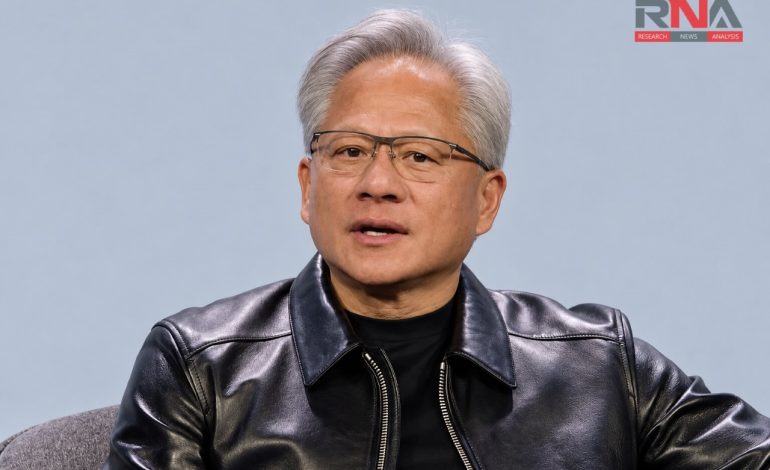
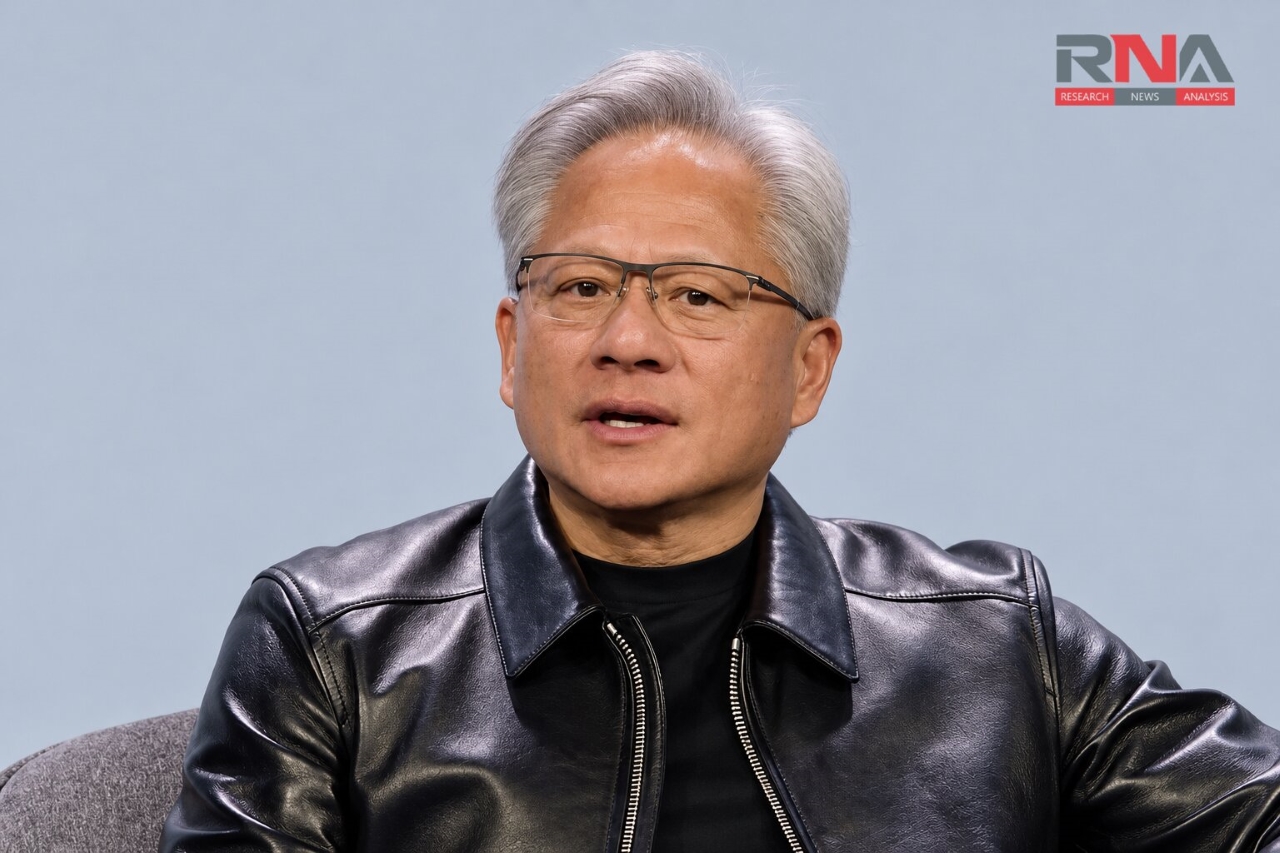
Jensen Huang.

New Delhi: American intelligence agencies concluded that a Chinese businesswoman who had cultivated a close relationship with the chief executive of Nvidia, Jensen Huang, was passing information to Beijing, the New York Times reported on Thursday. The United States president, Donald Trump, was briefed on the findings about a year ago but chose to do nothing, according to people familiar with the surveillance who spoke anonymously because the material is classified.
The woman, Alice Huang, also known as Huang Le, is a top executive at Megaspeed, a Singapore-based data-centre company that Washington has long suspected of helping China get around curbs on advanced chips. Her access to the head of the firm that arguably underpins America’s lead in artificial intelligence set off alarms inside the White House.
US agencies had been monitoring Alice Huang electronically, and her contacts with an American citizen surfaced in that surveillance. Through a process known as unmasking, which allows officials who can show a need to learn the identity of Americans caught in foreign-intelligence collection, that citizen was identified as Jensen Huang.
The discovery raised two worries. Officials feared that Beijing could gain a window into Trump’s thinking on chip exports, a subject likely to figure when he visits China next month, and that she might pick up information about Nvidia itself.
Jensen Huang has not been given a defensive briefing, the warning usually issued to Americans targeted by foreign services, and the surveillance of Alice Huang is continuing, the sources said. It is not known whether the decision to withhold the briefing was meant to protect the operation, since a warning could have tipped her off.
When Trump was first briefed, officials did not believe the Nvidia chief knew of her intelligence role. It is unclear whether that assessment has since changed, but some senior officials in the administration doubt that he could have remained unaware.
Nvidia has pushed back firmly. Its spokesman, John Rizzo, said meetings with customers are part of a chief executive’s job and that Jensen Huang speaks with thousands of customer executives every year. He added that the company had investigated and debunked earlier smuggling claims against Megaspeed, and that customers such as Megaspeed receive only ordinary business information and nothing relevant to national security.
Megaspeed said its current leadership takes the allegations “extremely seriously” and has retained outside counsel for an internal investigation. Alice Huang did not respond to requests for comment, while the Chinese embassy in Washington dismissed the allegations as “groundless smears and slanders”. The White House, the Central Intelligence Agency and the National Security Agency declined to comment.
The US Commerce Department began suspecting Megaspeed towards the end of Joe Biden’s presidency, and the inquiry took off in late 2024. A Commerce official who visited its Malaysian data centre found Nvidia equipment still sitting in boxes, suggesting it was in transit rather than being installed.
Singaporean authorities questioned Alice Huang in 2025 and then released her. The American case was handed over to the Justice Department this year.
Investigators describe Megaspeed as essentially a middleman. It bought Nvidia chips from the American arm of the Chinese server-maker Inspur, whose parent company Washington has blacklisted for supplying the Chinese military, and it rented the computing power to Alibaba and other Chinese firms.
Officials suspect that some of those chips also reach China illegally. Trade records show that Megaspeed’s Malaysian sister company bought at least $4.8 billion worth of Nvidia-based equipment between June 2024 and February 2026, an extraordinary sum for a small and little-known firm.
The business relationship has not stopped. Nvidia still lists Megaspeed as a cloud partner, and the company is pressing ahead with a large data centre on a 53-acre plot in Johor, Malaysia, having already secured the chips for it, according to a person familiar with the plans.
The two executives were first photographed together in public in June 2024, at a bar in Taipei after a technology trade show. They were seen together again in May 2025, leaving a restaurant after a business dinner with other AI suppliers.
Little is known about Alice Huang’s background. She has described herself as a former television reporter, a claim The Times could not verify, before working at major Chinese banks and then at Shanghai’s Hexi Capital, which invests in semiconductor and AI firms. Investors told the newspaper that she and her associates used their links to Jensen Huang to raise funds and promote their network of businesses.
The episode lands at an awkward moment for Washington. Jensen Huang, who leads what is often called the world’s most valuable company, was a rare visitor to the capital before 2025 but has since become one of Trump’s closest corporate allies. He lobbied the administration to loosen rules on AI companies, negotiated an arrangement under which the government takes a 25 per cent cut of certain chip sales to China, and sat at the head table when the Chinese president, Xi Jinping, was hosted at the White House in September.
Nvidia also donated at least $20 million to Trump’s ballroom fund and pledged $500 billion of investment in American manufacturing. Current and former officials say this closeness has impeded efforts to tighten chip exports, with some Commerce Department investigations and proposed sanctions grinding to a halt.
Some background helps. Washington has barred exports of Nvidia’s most advanced chips to China since 2022, yet some have been smuggled across the border, while others are bought legally by firms that build data centres in South-East Asia and sell computing time to Chinese clients. The Biden administration restricted that practice, Trump rolled the rules back, and his administration is now weighing whether to tighten them again.
The story is also relevant for India, which is building sovereign AI computing capacity under the IndiaAI Mission with heavy reliance on Nvidia hardware. It shows how closely chip supply, corporate influence and intelligence concerns are now entangled in the technology rivalry between Washington and Beijing.
Several questions remain open, like which agency monitored Alice Huang, what she passed on and how valuable it was to China. Nothing in the reporting says Jensen Huang knowingly assisted Beijing.