


British Columbia sues OpenAI and Sam Altman over missed warnings before Tumbler Ridge school mass shooting
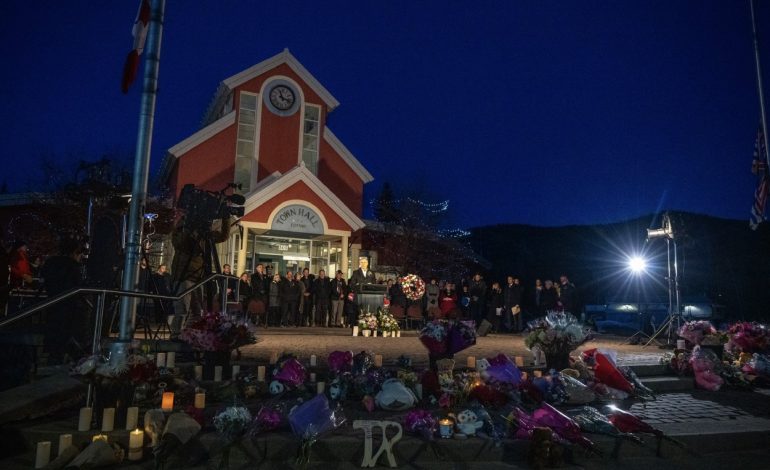
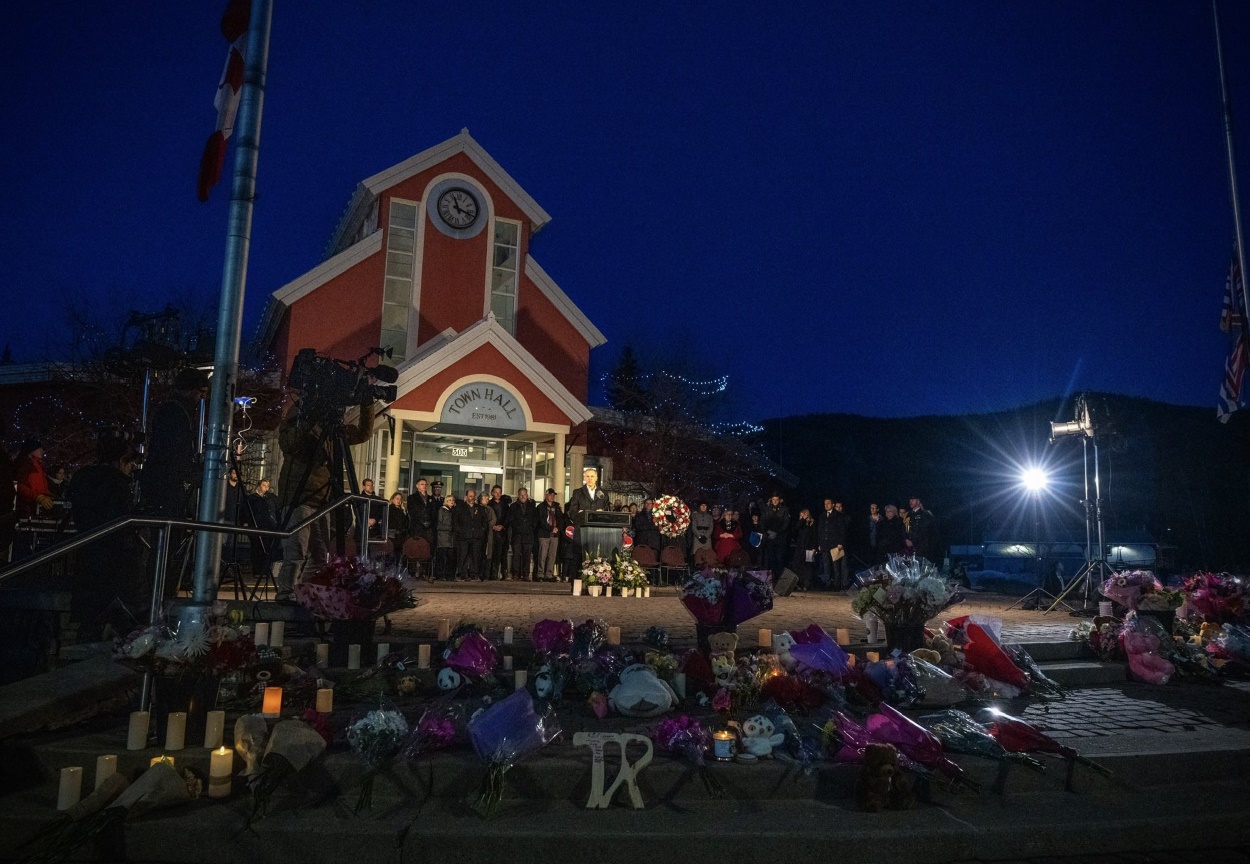
Flowers left near the Tumbler Ridge townhall in remembrance of the victims of the school mass shooting that left 9 dead, including the shooter. (Photo: X/@MarkJCarney)

New Delhi: Canada’s British Columbia province has sued OpenAI and its chief executive, Sam Altman, alleging that the company failed to alert police to warning signs in a school attacker’s ChatGPT conversations months before the killings. The lawsuit, filed in a federal court in San Francisco on Monday, seeks compensation for recovery costs and changes to how the company handles conversations indicating potential violence.
The case centres on whether OpenAI missed an opportunity to prevent the February 10 attack in Tumbler Ridge Secondary School after identifying troubling activity on the perpetrator’s account. It also challenges the safety of ChatGPT’s design, alleging that the company’s safeguards did not adequately protect the public from foreseeable harm.
The attacker, 18-year-old Jesse Van Rootselaar, killed her mother and brother at their home before going to her former school, where she killed five students and an educational assistant. She subsequently died by suicide, bringing the total number of deaths to nine, including the perpetrator.
Announcing the action, British Columbia’s attorney general, Niki Sharma, said the province was seeking accountability for OpenAI’s failure to report threats identified before the shooting. The government’s complaint argues that notifying the Royal Canadian Mounted Police (RCMP) could have enabled intervention because officers had previously attended the attacker’s home over mental-health concerns and removed firearms.
According to the lawsuit, OpenAI’s review team recommended referring the account activity to police, but company leadership rejected that advice. These allegations, including the contention that a warning could have prevented the killings, have not been tested in court.
OpenAI has acknowledged that its automated systems detected the account and referred it for human review before banning it in June 2025. In a letter to Canadian ministers dated February 26, 2026, the company said the material available at the time did not meet its threshold for identifying credible and imminent planning that warranted notifying law enforcement.
The letter also acknowledged that Van Rootselaar had used a second ChatGPT account despite the ban, exposing a gap in the company’s efforts to identify repeat violations. OpenAI said it discovered that account after the attacker’s identity became public and shared it with investigators.
Responding to the latest lawsuit, OpenAI expressed sympathy for the victims and said it remained committed to cooperation with government and police, alongside further safety improvements. Altman had previously apologized to the community for the company’s failure to contact authorities, but the province alleges that promised reforms were not followed through.
The company’s February letter outlined more flexible referral criteria, greater involvement by mental-health and behavioural specialists, and stronger systems to detect users evading account bans. It also said the account suspended in June 2025 would have been referred to police under its enhanced procedures, while committing to establish direct contacts with Canadian law enforcement.
Access to the conversations has become another point of dispute: Sharma said OpenAI had refused the provincial government’s request to see the attacker’s chatbot history. The exchanges have not been publicly disclosed, leaving their precise content and the chatbot’s responses unavailable for independent scrutiny.
The government’s action adds to litigation brought by survivors, witnesses and victims’ relatives, including 30 new lawsuits reported earlier this month. Those claims similarly accuse OpenAI of failing to act on warning signs, while the company has maintained that its safety decisions were directed towards protecting the public.
A separate dispute concerns where the cases should proceed: OpenAI has sought dismissal of victims’ claims in California, arguing that British Columbia is the appropriate venue because witnesses, records and relevant public institutions are located there. Sharma said the province chose California because the decision against reporting the attacker’s activity was made in the United States.
The province is pursuing compensation to help meet the continuing costs of the attack, including mental-health care and replacing the school, whose demolition has begun. Its demand for court-ordered safety changes also makes the proceedings a challenge to how AI companies identify threats and decide when to involve police.
Alongside the litigation, Sharma is pressing Canada’s federal government to strengthen accountability for harm involving artificial intelligence. She said she had proposed amendments to the Criminal Code to provide a clearer route to holding people responsible for AI’s actions, extending the province’s response beyond the civil case.