

India-Japan 2+2 to test Unicorn transfer, warship plans and defence export reforms
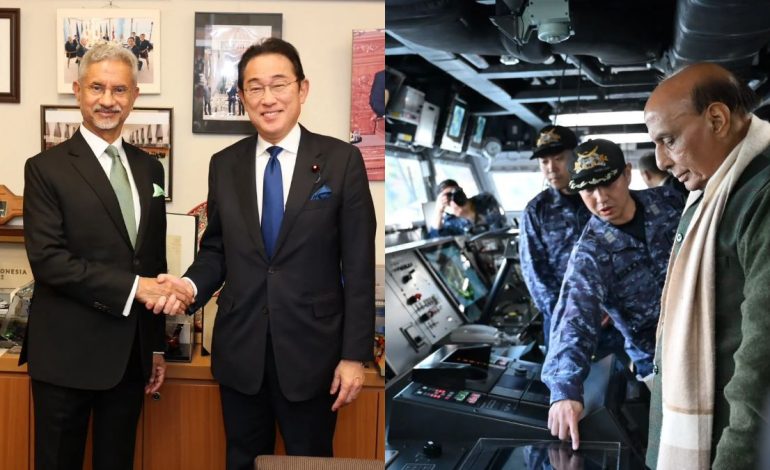
(image courtesy: X/ @rajnathsingh and @DrSjaishankar)

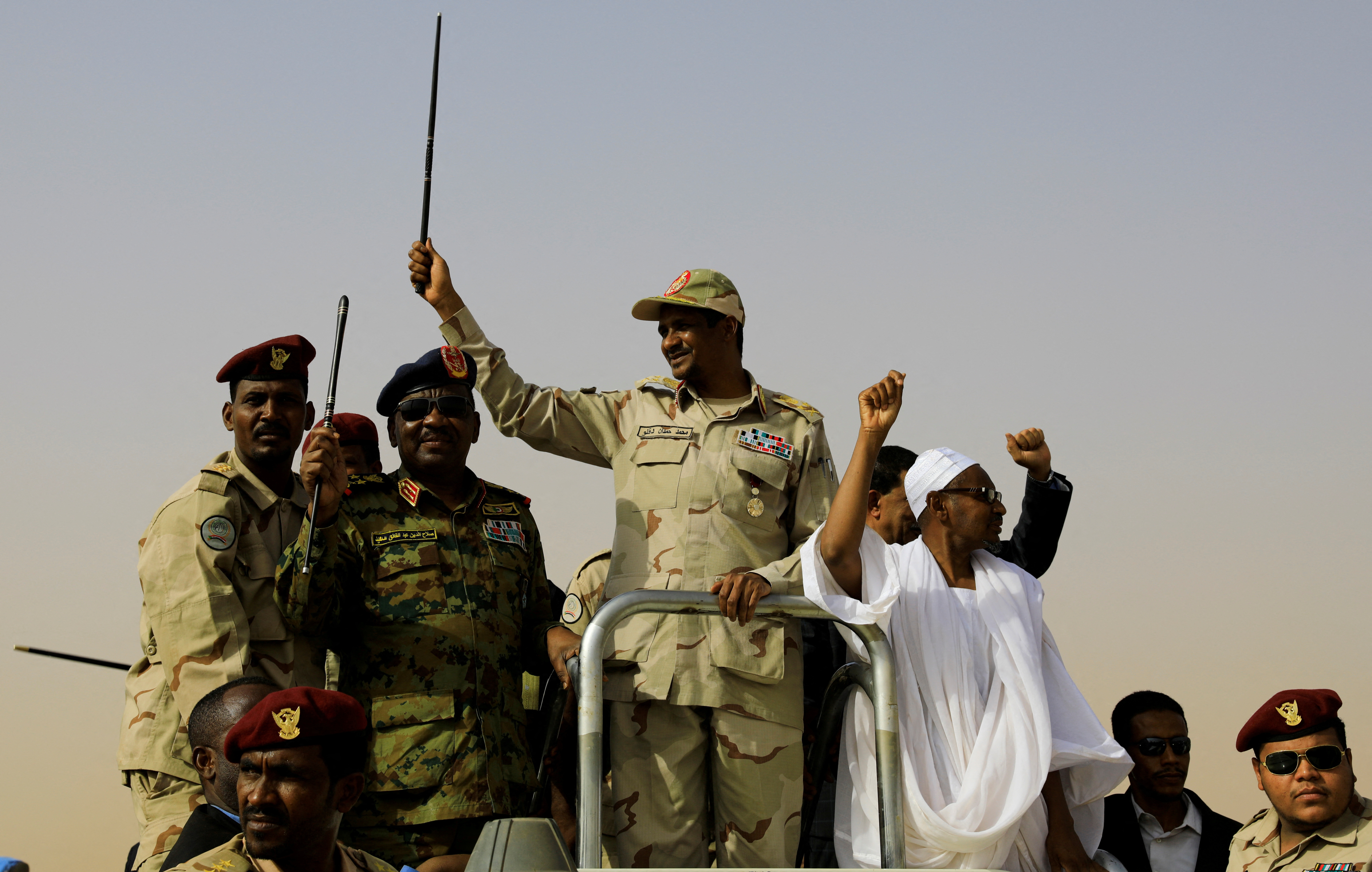
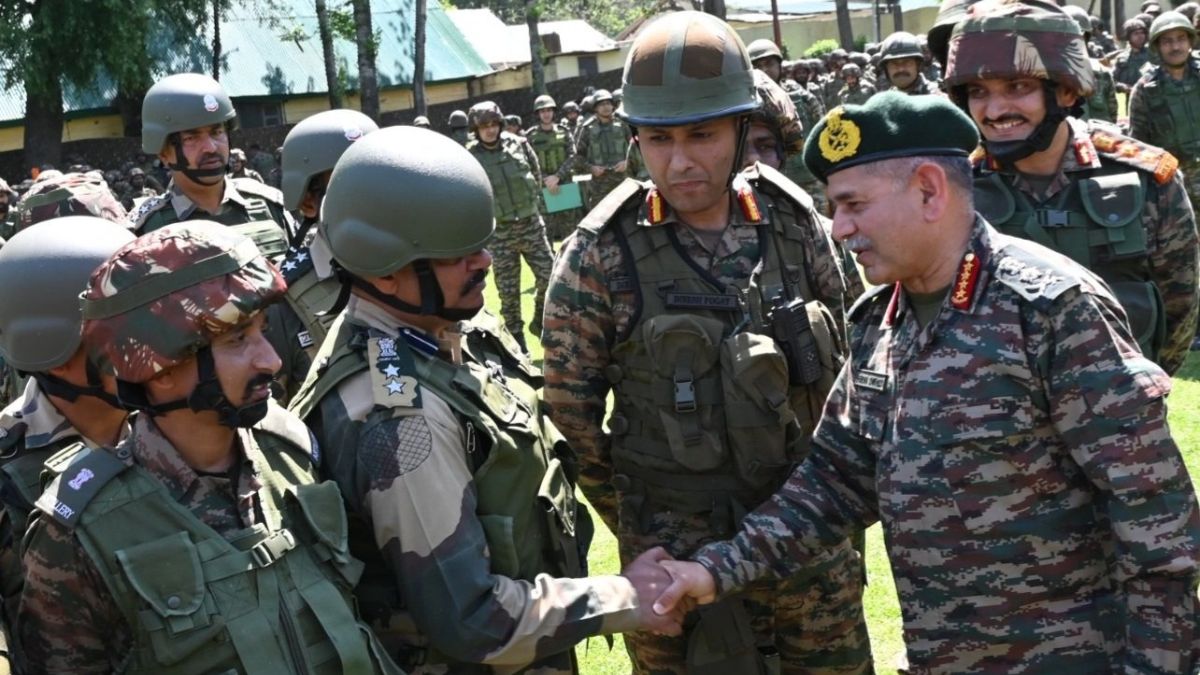
New Delhi: The defence minister, Rajnath Singh, and the external affairs minister, S Jaishankar, arrived in Tokyo on Wednesday for the fourth India-Japan 2+2 dialogue on Thursday, with naval projects, defence technology and maritime security expected to dominate discussions. The meeting comes after months of negotiations on warship design, equipment transfers and operational cooperation, but no new agreements have yet been announced.
Singh and Jaishankar will meet Japanese defence minister, Shinjiro Koizumi and foreign minister, Toshimitsu Motegi. The format brings together foreign and defence ministers to coordinate strategic and military policy, while Jaishankar will separately hold the 19th foreign ministers’ strategic dialogue with Motegi.
On Wednesday, Jaishankar met former Japanese prime minister, Fumio Kishida, discussing strategic convergence and economic security. The ministerial talks follow Tuesday’s Quad leaders’ meeting in Manila and the previous India-Japan 2+2 round in New Delhi in August 2024.
Unicorn, a first equipment project
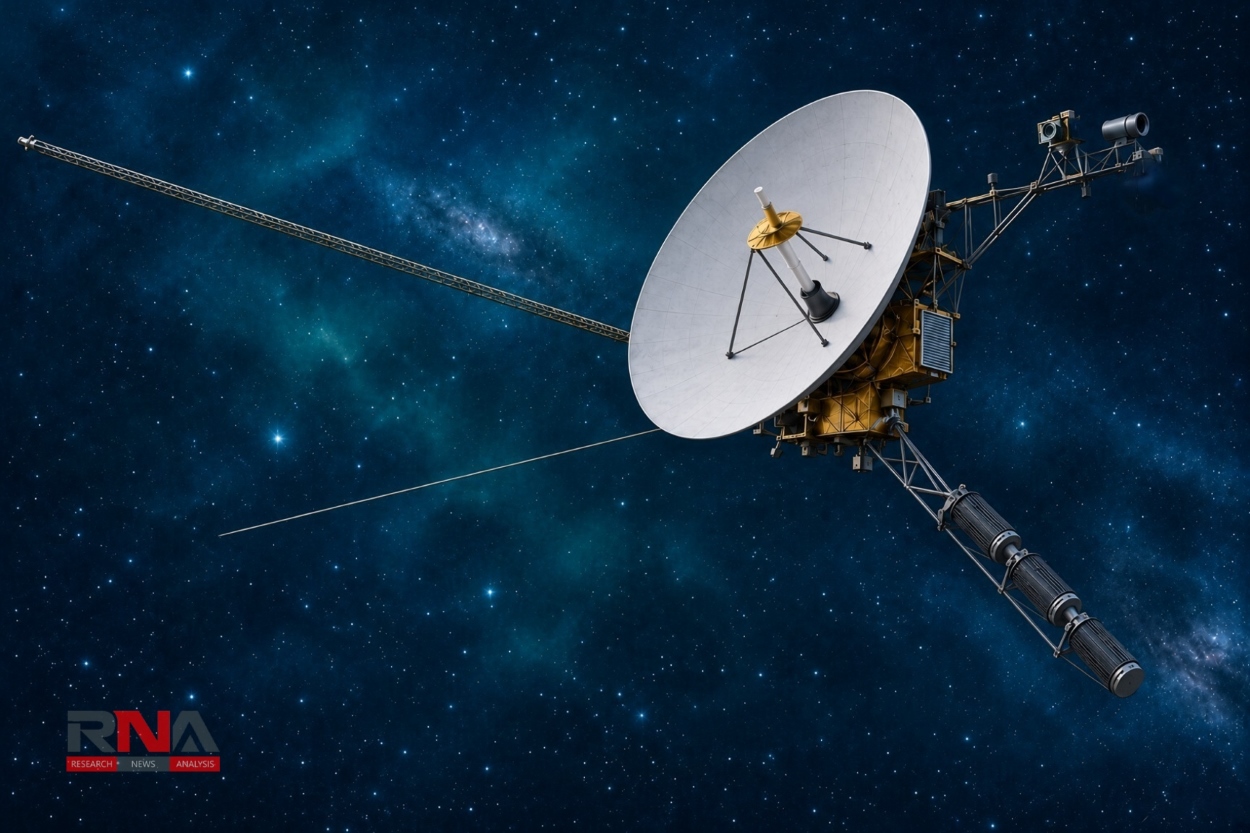
One deliverable to watch is the unified complex radio antenna (Unicorn), designed to integrate communications antennas on Indian naval ships and improve their stealth characteristics. India and Japan signed a memorandum of implementation in November 2024, with Bharat Electronics Limited identified for co-development in India alongside Japanese partners.
Japan’s August 2026 defence ministers’ statement called Unicorn the first bilateral defence equipment transfer project. Although both countries have reported progress, the public record does not establish a firm production or installation schedule. Clear milestones would demonstrate that an agreed project is advancing towards deployment.
Further research collaboration is planned between India’s Defence Research and Development Organisation (DRDO) and Japan’s Acquisition, Technology and Logistics Agency (ATLA). The larger question is whether the Unicorn experience can lead to additional projects with meaningful access to design, manufacturing and maintenance expertise.
Why Japan’s export policy matters
Japan revised its Three Principles on transfer of defense equipment and technology and their implementation guidelines on April 21 this year. The changes broadened the scope for defence equipment transfers beyond earlier restrictions, potentially creating opportunities for Indian naval and industrial requirements.
However, exports are not automatic. Japanese authorities must examine individual proposals, and controls remain over end use, onward transfers and prohibited recipients. Commercial negotiations will also have to address licensing, intellectual property and manufacturing rights before any new equipment arrangement is settled.
Naval shipbuilding, mines and logistics
The maritime cooperation is likely to be among the most substantial areas of discussion. In August, Singh and Koizumi signed a memorandum of arrangement on maritime security cooperation, covering maritime domain awareness, information-sharing, search and rescue, and humanitarian assistance and disaster relief.
The ministers also identified better access to ports and maintenance facilities, reciprocal ship repairs, mine-countermeasure capabilities and possible joint naval shipbuilding and design. Their October follow-up statement recorded progress in discussions, not signed construction or equipment contracts.
Mine warfare matters because mines can close harbour approaches and threaten military and commercial traffic. Japan’s technical experience could complement India’s shipyards and production capacity, while reciprocal repairs could support longer naval deployments without establishing foreign bases.
Koizumi has described the industrial approach as “Design with Japan, Make in India”. For that formula to become a programme, the two countries would need to settle vessel requirements, design ownership, production responsibilities, export permissions and financing. None of these has been publicly concluded for a specific ship class.
What the Mogami inspection shows
Singh and Koizumi inspected JS Natori, a Mogami-class frigate, at Yokosuka on Wednesday. The class is designed for multiple naval missions, with reduced-observability features and capabilities relevant to surface, underwater and mine-related operations.
The visit offered a direct look at Japanese naval technology amid talks on shipbuilding. It does not establish that India intends to purchase Mogami-class vessels or that a procurement negotiation has begun.
Exercises and industrial capacity
Existing exercises provide a foundation for deeper interoperability. The armies conduct Dharma Guardian, the navies hold Jaimex, and their air forces conduct Veer Guardian. In September, Japanese F-2 fighters trained at Jodhpur alongside Indian Su-30MKI, Rafale and Tejas aircraft.
INS Sahyadri participated in Jaimex on November 13 and 14, practising manoeuvres, communication drills and cross-deck landings with Japanese forces. The August ministerial statement also raised more complex exercises, unmanned systems, short-notice drills and special forces exchanges, while potential engagement with India’s future integrated theatre commands remains exploratory.
Defence companies have begun examining opportunities too. A Japan-India defence industry forum in Tokyo involved approximately 40 companies, according to the October statement. It was not the first such forum: an earlier gathering took place in September 2017. The measure of progress now is identifiable industrial work, rather than participation numbers alone.
What the partnership could mean for India
Both countries depend on open sea lanes and resilient technology supply chains. Their bilateral projects complement, but are distinct from, cooperation through the Quad. Shared concerns about coercion and disruptions to shipping help explain the emphasis on maritime awareness, logistics and critical technologies.
At their July summit, India and Japan identified semiconductors, critical minerals, communications technology, clean energy and pharmaceuticals as economic security priorities. These sectors also affect defence production, where dependence on a limited number of overseas suppliers can disrupt manufacturing and maintenance.
The industrial calculation is that Japan offers naval design, specialist engineering and advanced equipment, while India offers manufacturing capacity, a growing shipbuilding base and an Indian Ocean location. Joint production could strengthen Indian technical capability and provide Japanese firms with a partner for manufacturing and regional support.
Indian embassy figures put bilateral merchandise trade at $27.47 billion in 2025-26, comprising India’s imports of $21.43 billion and exports of $6.04 billion. This leaves India with a trade deficit of $15.39 billion, with imports approximately 3.55 times its exports. These are economy-wide figures, not a measure of bilateral defence trade.
Thursday’s test is more concrete: a timetable for Unicorn, identified mine-countermeasure or shipbuilding projects, practical ship-repair arrangements and dated commitments for advanced exercises. Such outcomes would show the partnership moving from strategic alignment towards usable capability.