
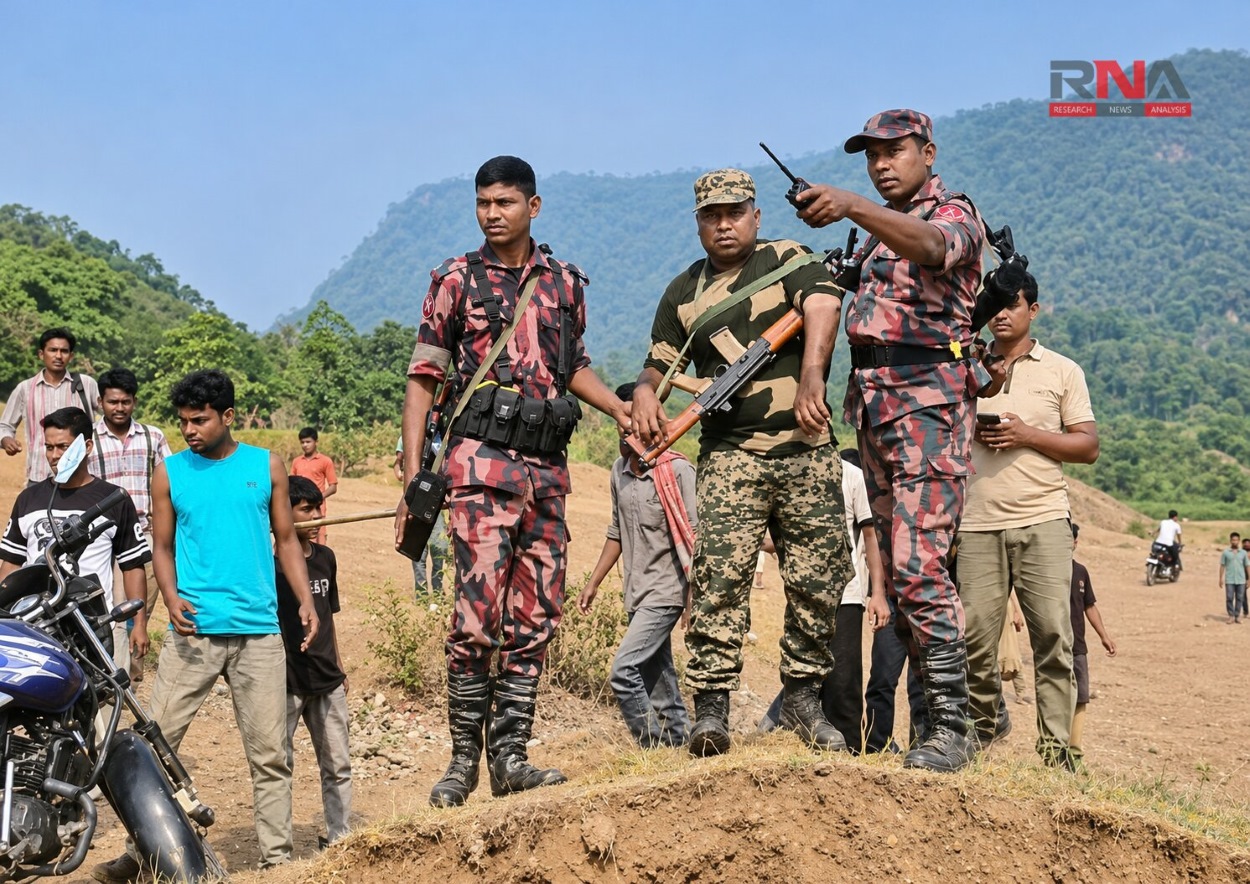
After BrahMos, Philippines eyes India’s Akash-1S missiles to shield its military assets from air attacks
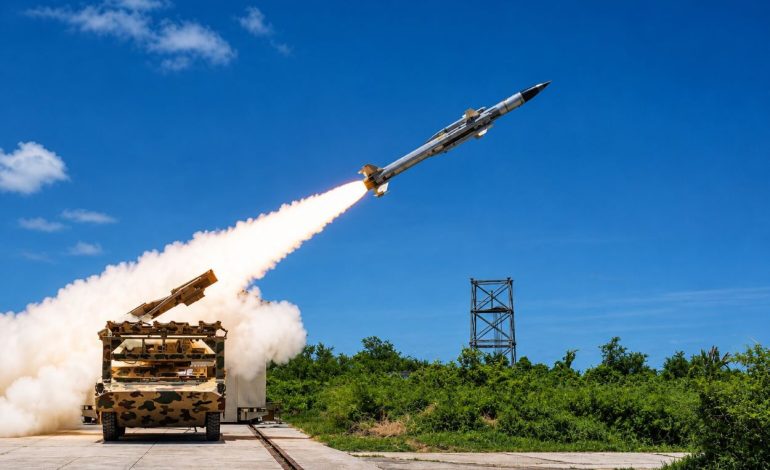
An Akash missile being test-fired. (Photo: Wikipedia)

New Delhi: The Philippines is exploring the acquisition of India’s Akash-1S surface-to-air missile system as it seeks to strengthen its air defences and protect strategic military installations, including its growing arsenal of BrahMos supersonic cruise missiles. The proposed purchase, reportedly valued at around $200 million, could become another major Indian defence export to the Southeast Asian country, although neither government has announced a finalized agreement.
The renewed interest comes as Manila accelerates its military modernization programme in response to increasing security challenges in the South China Sea, where its territorial and maritime disputes with China have produced repeated confrontations. Having acquired the BrahMos system to strengthen its coastal strike capabilities, the Philippines is now looking at complementary air-defence weapons that could protect missile batteries, military bases and other critical infrastructure from hostile aircraft and missiles.
Reports published in recent days suggest that the Akash-1S, an upgraded version of India’s indigenous Akash missile, has emerged as a potential choice for the Philippine military. According to defence website IDRW, negotiations over a possible $200 million acquisition have advanced, with a contract potentially materializing around mid-2027, subject to the necessary Philippine approvals.
The report, published on November 13, also claimed that Manila was favouring a truck-mounted Akash-1S configuration that could complement its existing BrahMos infrastructure. However, the reported selection, financial terms and procurement timetable remain unconfirmed by official announcements from either New Delhi or Manila.
From BrahMos strike capability to missile defence
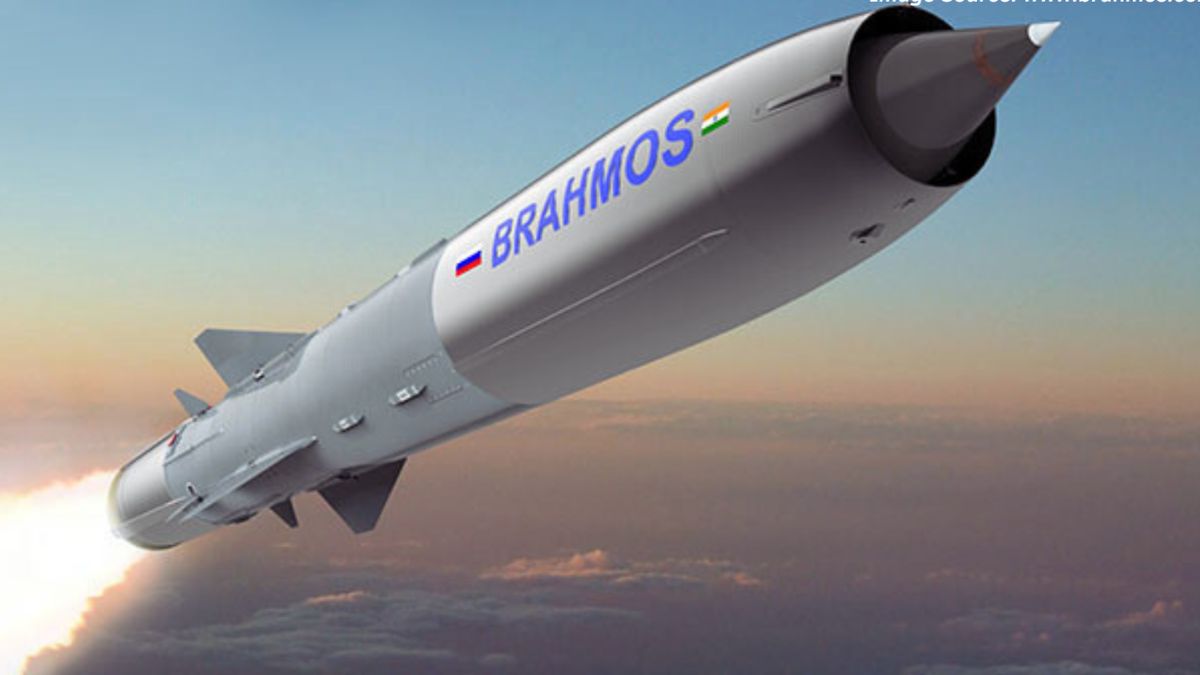
The Philippines became the first overseas customer for BrahMos when it signed a $375 million agreement with India in January 2022 for three shore-based anti-ship missile batteries. The acquisition represented a significant advance in Manila’s ability to threaten hostile surface vessels approaching strategically important stretches of its coastline, particularly in areas facing the disputed South China Sea.
The relationship is now entering another potentially important phase, with India and the Philippines negotiating a substantially larger follow-on BrahMos order. As RNA Media reported on November 5, the proposed agreement could involve five additional missile systems and nearly 60 missiles, with an estimated value of $700 million to $800 million.
The Philippine defence secretary, Gilberto Teodoro Jr, publicly confirmed Manila’s interest in expanding its BrahMos inventory during the third Delhi Defence Dialogue earlier this month. He said the Philippines had communicated additional requirements to India, including modifications better suited to its geographical and operational conditions, according to the Philippine News Agency.
The prospective Akash procurement addresses a different military requirement, because coastal strike missiles and ground-based air-defence systems perform fundamentally distinct functions. BrahMos enables the Philippines to engage hostile vessels at sea, whereas Akash could help defend selected military assets against aircraft, helicopters and other aerial threats, reducing their vulnerability to counterstrikes.
What makes Akash-1S significant?
Developed by the Defence Research and Development Organisation (DRDO), the Akash family is designed to provide short-range air defence for military formations and vulnerable installations. Its mobile architecture combines surveillance and engagement radars, command-and-control equipment and missile launchers capable of engaging multiple aerial targets.
The Akash-1S represents an improvement over the original system through the incorporation of an indigenous active radio-frequency seeker, which enhances accuracy during the terminal phase of interception. The DRDO documented successful tests of the Akash Mk-1S in May 2019, demonstrating a guidance arrangement combining ground-based command guidance with an active terminal seeker.
The baseline Akash has a published engagement range of approximately 3–25 kilometres, although performance depends on the missile variant, target characteristics and engagement conditions. DRDO lists the original system as operational with the Indian Army and Indian Air Force, with production involving Bharat Dynamics Limited and Bharat Electronics Limited.
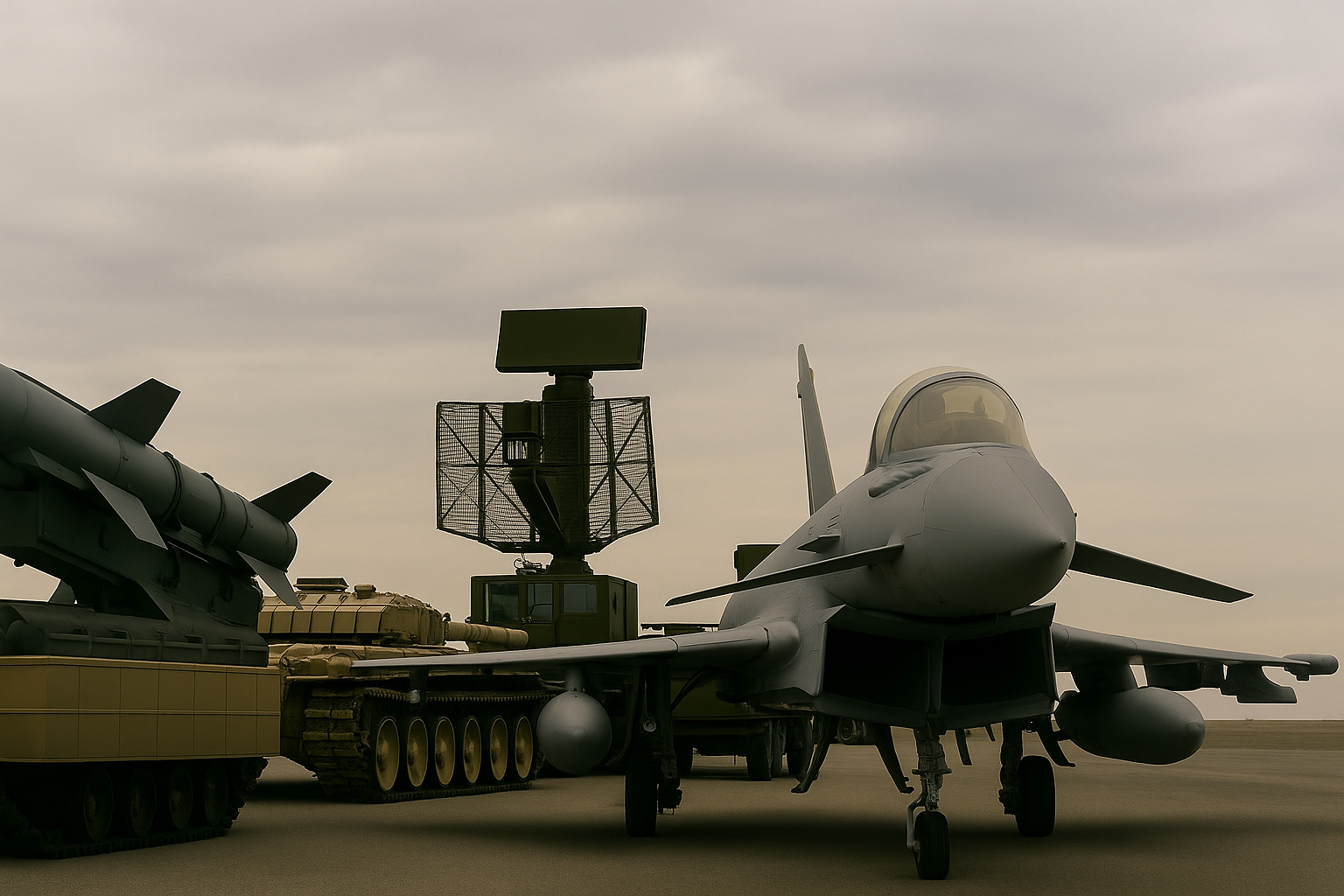
For the Philippines, its usefulness would extend beyond protecting BrahMos launchers, potentially covering airfields, radar stations, command centres and other high-value military facilities. However, an Akash battery would not provide an impenetrable shield, particularly against saturation attacks involving multiple drones and missiles, making integration with surveillance networks, electronic warfare systems and other air-defence weapons essential.
How Akash could fit into Manila’s existing air defences
The Philippines already operates three batteries of the Israeli-developed Spyder air-defence system, with the final battery delivered in November 2024. An additional Akash acquisition could expand its defensive coverage and introduce another layer of protection, although connecting systems supplied by different manufacturers would require compatible communications, identification and battle-management arrangements.
The operational requirement is not merely theoretical, as modern precision-strike weapons become priority targets for enemy air forces during an armed confrontation. Protecting mobile BrahMos batteries would therefore require coordinated surveillance, early warning, dispersed deployments and reliable interception capabilities rather than dependence on any single missile system.
Broader India-Philippines defence partnership
The possible agreement also reflects the growing strategic relationship between India and the Philippines, which formally upgraded their bilateral ties to a strategic partnership during the visit of the Philippine president, Ferdinand Marcos Jr., to New Delhi in August 2025. The two countries subsequently expanded their framework for military cooperation, including service-to-service engagements and closer coordination on maritime security.
More recently, India’s defence minister, Rajnath Singh, met Teodoro on October 29 on the sidelines of the Asean Defence Ministers’ Meeting-Plus in Cebu, where both sides reaffirmed their commitment to defence modernization and maritime cooperation. Their discussions underscored New Delhi’s expanding security engagement in Southeast Asia, particularly with countries seeking to diversify their military suppliers and strengthen their capabilities in the Indo-Pacific.
For India, an Akash contract would add to the international commercial prospects of an indigenous missile family that has already secured an export customer in Armenia. It could also create opportunities for training, maintenance, spare-parts support and longer-term industrial cooperation, provided both countries reach an agreement on the proposed procurement.
Nevertheless, the distinction between negotiations and a concluded contract remains important, particularly because reports of a Philippine Akash purchase have circulated since February 2025 without resulting in an officially announced agreement. The latest discussions indicate continued interest, but the final variant, contract value, delivery schedule and procurement approvals will determine whether Akash becomes the next major Indian weapon system to enter Philippine service.