



US intelligence flags possible Iranian ‘dirty bomb’ plot targeting Trump officials in Washington: Report
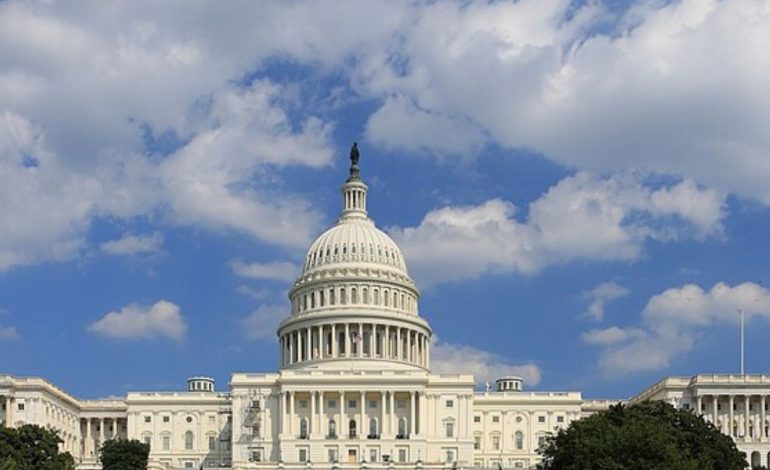
(Image courtesy: Wikimedia Commons.)

New Delhi: US intelligence has reportedly detected Iranian planning for a possible dirty bomb or chemical attack targeting senior Trump administration officials in Washington, prompting security discussions and contingency preparations. The findings identify potential locations and targets but do not establish that Tehran has authorized an attack or that one is imminent.
The assessment, detailed in an exclusive CNN investigation published on Monday citing seven US officials, suggests Iran may be developing options amid its ongoing conflict with Washington. Two officials described specific targets and locations, although others questioned whether Tehran possessed the capability to execute such an operation.
Iranian plots targeting current and former US officials have been a security concern since Trump’s first administration, including an alleged murder for hire plot against him in 2024. Earlier suspected operations largely focused on American officials travelling overseas, while the latest intelligence points to possible targets inside the United States, CNN reported.
White House spokesperson, Lauren Bis, said the administration was “monitoring any and all potential threats, but at this time there are no credible threats to the homeland”.
The intelligence prompted several security meetings, while reported Iranian threats led the secret service to move treasury secretary, Scott Bessent, into military housing last week.
The office of the director of national intelligence declined to comment.
Claims about materials inside US
US intelligence reportedly picked up Iranian communications claiming that bomb-making materials had already been placed inside the country. Officials disagreed over the information’s credibility, and the alleged presence of such materials remains unverified.
Sources also suggested that any potential operation could involve individuals already living in the United States rather than trained operatives entering from overseas.
A dirty bomb combines conventional explosives with radioactive material to spread contamination. Unlike a nuclear weapon, it does not produce a nuclear explosion. Immediate injuries would primarily result from the blast, while radioactive contamination could cause longer-term health and environmental concerns.
Obtaining suitable radioactive material remains a separate challenge.
Separate chemical weapons concerns
American officials are also examining intelligence suggesting Iran could use chemical weapons against US troops stationed in West Asia. The concerns have prompted separate contingency planning to provide American diplomatic and intelligence personnel in the region with protective equipment and training, CNN reported.
Iran’s mission to the United Nations rejected the chemical weapons allegations as “false and fabricated”, maintaining that the use of such weapons was unacceptable under any circumstances.
However, the statement did not specifically address the reported dirty bomb planning in Washington.
Surveillance law and wider conflict
The reported threats have renewed concerns over the expiry of Section 702 of the foreign intelligence surveillance act, which allowed US intelligence agencies to collect communications targeting non-US persons abroad without individual surveillance warrants.
The provision expired on June 12, although existing court-approved authorizations can continue until March 2027.
The United States attorney general, Todd Blanche, Director of national intelligence, Jay Clayton and central intelligence agency director, John Ratcliffe, urged congress to restore the provision, warning that its lapse could weaken intelligence collection.
The legislation has also attracted scrutiny because communications involving Americans may be collected incidentally.
The intelligence emerged amid continued US military pressure and a naval blockade of Iranian ports.
Negotiations to end the conflict and restore unrestricted shipping through the Strait of Hormuz have yet to produce an agreement. The US president, Donald Trump, has reportedly considered suspending further strikes unless Iran or the Houthis provoke Washington, although no final decision has been announced.

1 Comment
[…] International November 17, 2026 […]