India backs Japan’s BRIDGE Asia technology initiative as regional powers move to secure energy supplies
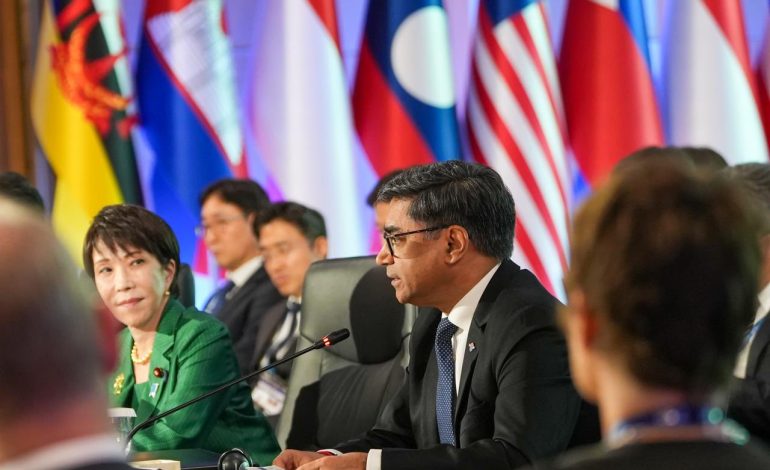
Foreign secretary Vikram Misri during his address at the 4th AZEC Leaders’ Meeting in Manila, while Japanese PM Sanae Takaichi looks on. (Photo: X/@MEAIndia)

New Delhi: India has welcomed Japan’s proposed BRIDGE Asia initiative to promote joint research in advanced technologies, signalling its support for closer regional cooperation in securing critical supply chains and strengthening energy security across Asia. The endorsement came at the fourth Asia Zero-Emission Community (AZEC) Leaders’ Meeting in Manila, on Tuesday, as Asian economies confronted mounting concerns over energy disruptions caused by the continuing conflict in West Asia.
In a statement posted on X, the Ministry of External Affairs said India supported Japan’s proposal for collaborative research into emerging technologies and reiterated its commitment to working with like-minded countries towards a more secure energy future. The meeting also saw Tokyo advance a wider package of proposals covering emergency petroleum reserves, regional energy coordination and technological cooperation, reflecting a growing recognition that economic resilience and energy security have become closely interconnected.
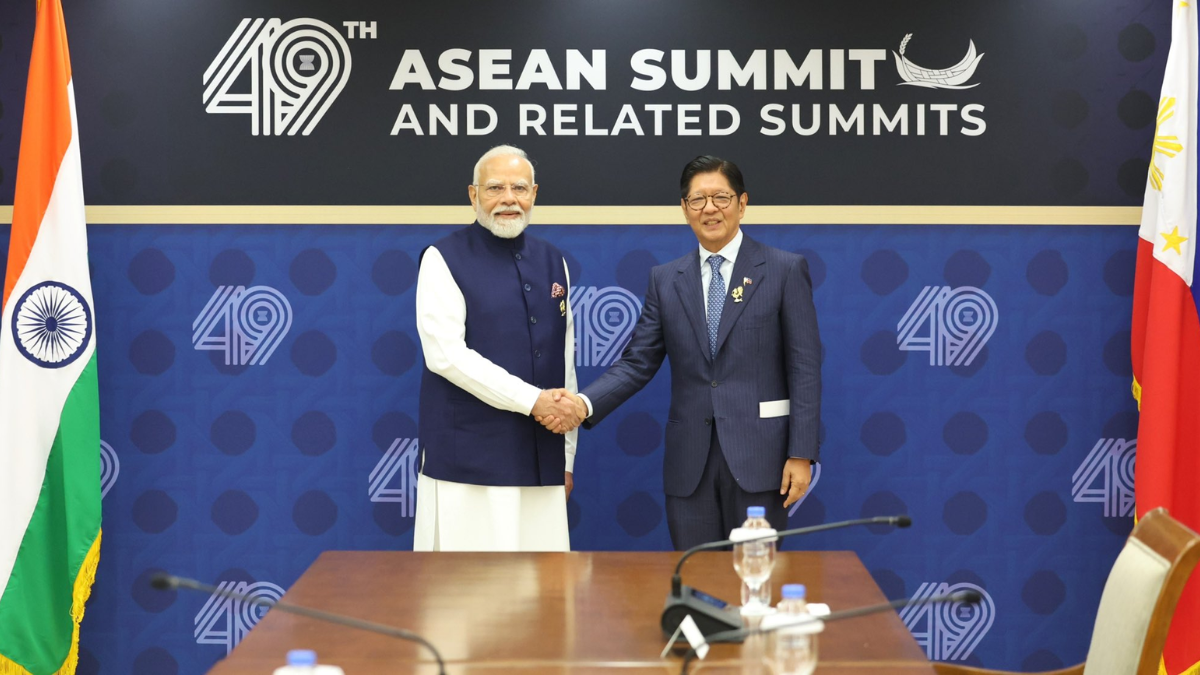
The meeting, held alongside the 49th Asean Summit and related meetings, was co-chaired by the Japanese prime minister, Sanae Takaichi, and the Philippine president, Ferdinand Marcos Jr. Although India is not among the original 11 AZEC members, its participation reflects the initiative’s expanding engagement with major Asian economies whose energy requirements and industrial supply chains are closely linked to regional stability.
What Japan’s BRIDGE Asia initiative means
BRIDGE Asia seeks to bring together governments, universities, research institutions and businesses across participating countries to undertake collaborative research and development in emerging technologies. According to Japanese reports on the proposal, the initiative is expected to cover artificial intelligence, digital technologies and quantum computing, with an emphasis on developing shared technological capabilities and international standards.
The programme also envisages supporting research from its initial stages through to practical applications, potentially creating opportunities for industrial partnerships and technology commercialization. Japan is reportedly considering subsidies for multiyear research projects, with participating countries working towards compatible standards and regulatory frameworks that could make it easier for new technologies to enter regional markets.
For India, the proposal offers a potential additional platform for cooperation with Japan in strategically important sectors, particularly advanced manufacturing, digital infrastructure, clean-energy systems and technological innovation. However, India’s endorsement should not be confused with a commitment to specific projects or funding arrangements, which would require separate agreements and implementation mechanisms.
Japan proposes Asian oil-security framework
The technology initiative formed part of a broader Japanese effort to reduce Asia’s exposure to disruptions in international energy markets, particularly those associated with the Strait of Hormuz. Takaichi proposed an Asia Oil Security Task Force to improve cooperation on emergency oil procurement, petroleum stockpiling and the coordinated release of reserves during supply crises.
Under the proposal, Asian countries could make use of available storage capacity in Japan, complementing a Philippine-led initiative for regional petroleum reserves. Tokyo has described the proposed arrangement as a possible Asian counterpart to the International Energy Agency, although its precise institutional structure, membership and operating arrangements remain to be established.
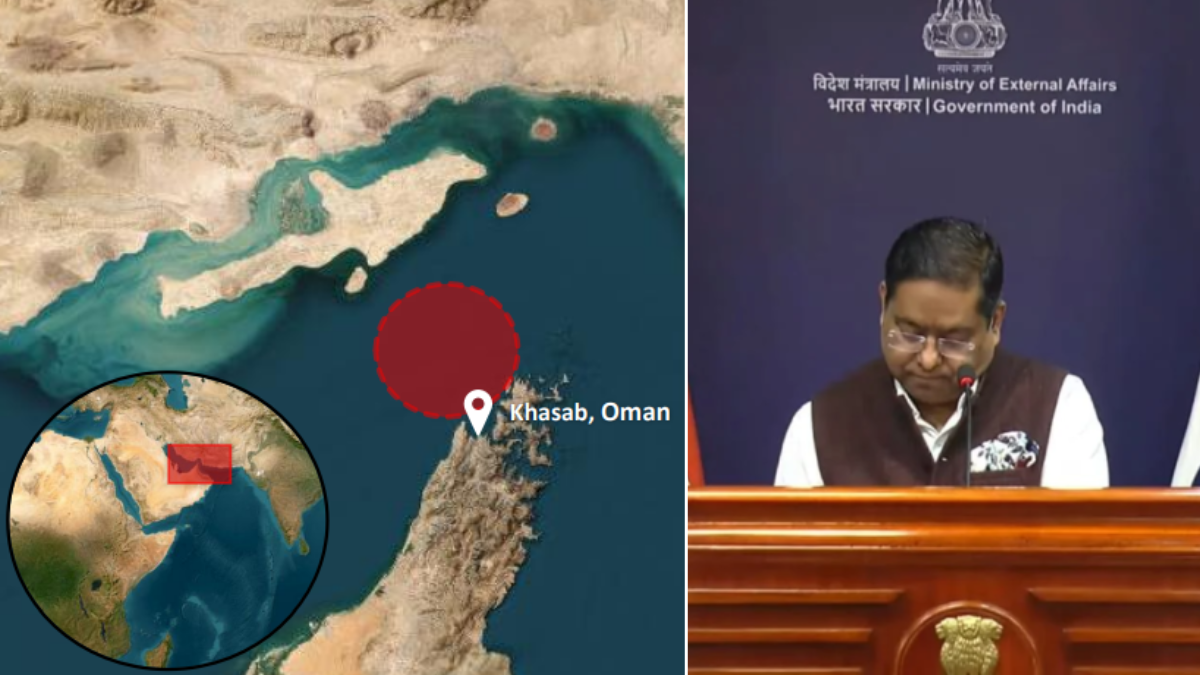
Japan also proposed a Power Gulf initiative intended to strengthen coordination between energy-producing countries in West Asia and major Asian consumers. The initiative reflects growing concern over the vulnerability of oil and gas supplies passing through the Strait of Hormuz, whose strategic importance has been highlighted by the conflict involving Iran and the resulting disruption to maritime trade.
Marcos, addressing the meeting, emphasized that building petroleum reserves alone would not guarantee energy security without stronger cooperation between producers and consumers. He also called for improved information-sharing, practical storage arrangements, respect for international law and the continued openness of maritime trade routes.
India’s energy security and strategic interests
India’s position at the Manila meeting builds on its earlier participation in the AZEC Plus summit on energy resilience, convened virtually by Japan on April 15 this year. At that meeting, the external affairs minister, S Jaishankar, stressed the importance of uninterrupted maritime trade, condemned attacks on merchant shipping and pledged cooperation with like-minded partners to improve supply-chain resilience.
The latest developments are particularly relevant to India because of its substantial dependence on imported crude oil and its exposure to international shipping disruptions, freight costs and energy-price volatility. Cooperation on emergency reserves, alternative supply arrangements and advanced energy technologies could help New Delhi diversify its options, although the benefits would depend on how the proposed regional mechanisms are eventually structured.
The discussions also mark an evolution in AZEC’s priorities, moving beyond its original emphasis on decarbonization towards a broader framework combining clean-energy investment, economic growth and energy security. Japan had already outlined this approach under its POWERR Asia partnership in April, recognizing that regional energy transitions must also account for geopolitical disruptions and the immediate requirements of developing economies.
For India, the emerging framework presents opportunities to deepen cooperation with Japan and Southeast Asian economies without compromising its independent energy procurement policies. The central question is whether the proposed technological partnerships and energy-security arrangements can be translated into investment, shared infrastructure and operational mechanisms capable of responding to future supply disruptions.