



Mossad chief rushes to Washington as Netanyahu presses Trump to restart Iran war
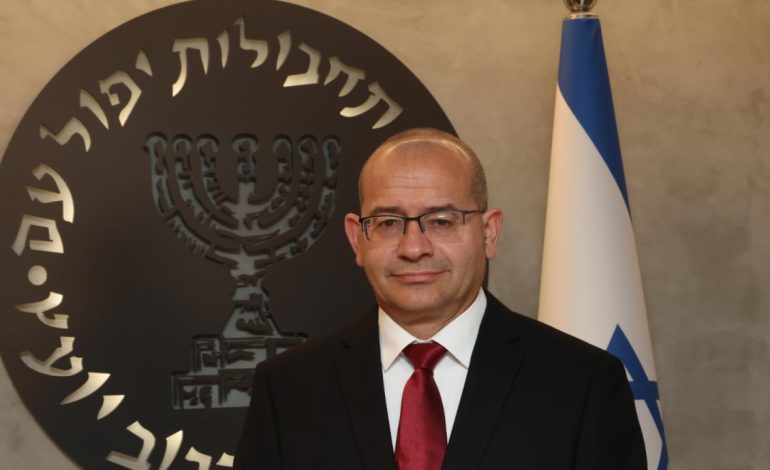
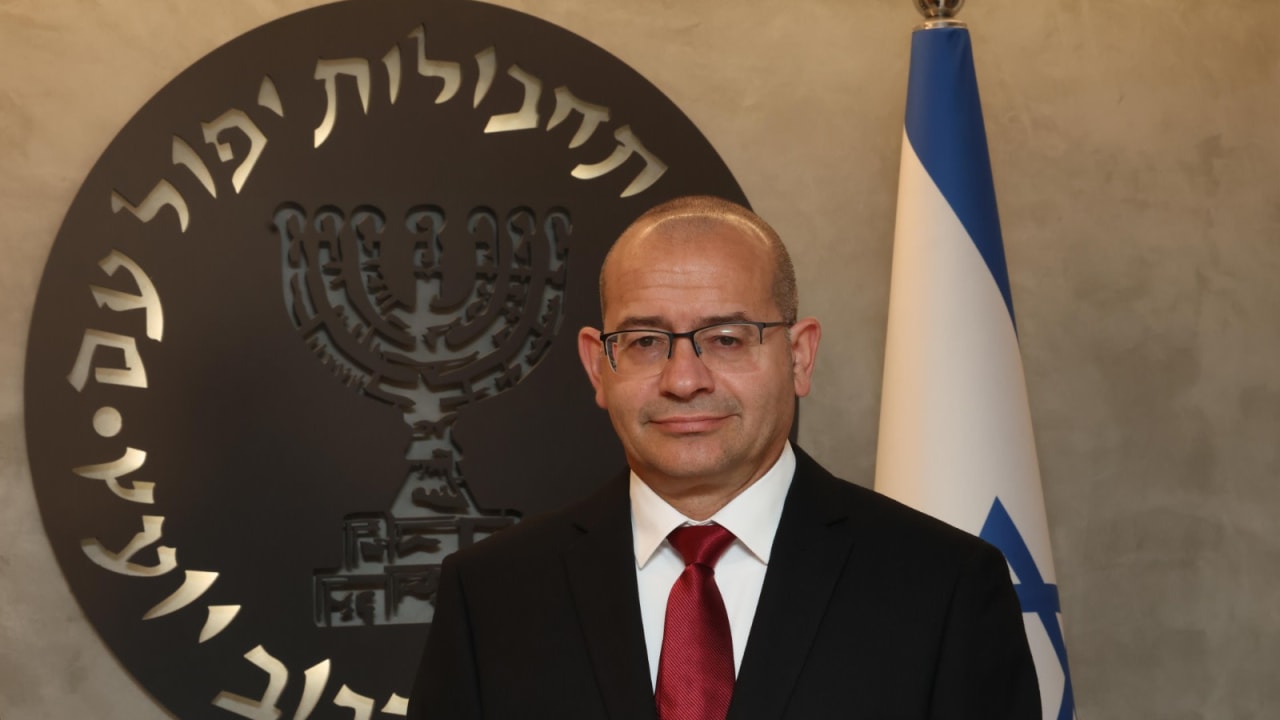
Mossad chief Roman Goffman. (Photo: Israel PMO/Mossad)

New Delhi: The head of Israel’s Mossad intelligence agency has travelled to Washington for high-level consultations with the Trump administration as the Israeli prime minister, Benjamin Netanyahu, intensifies efforts to persuade the United States to resume major military operations against Iran. The visit comes at a sensitive juncture in the West Asia conflict, with Washington favouring diplomatic negotiations and sustained economic pressure over another military offensive, despite growing Israeli concerns about Tehran’s nuclear ambitions and regional military capabilities.
The Mossad director, Roman Gofman, arrived in the American capital on Friday for discussions with senior US officials, including the Central Intelligence Agency (CIA) director, John Ratcliffe, according to an Axios report citing three people familiar with the visit. Gofman, regarded as one of Netanyahu’s closest confidants, is also expected to travel to Miami for a possible meeting with the White House special envoy, Steve Witkoff, who has been involved in efforts to negotiate an end to the prolonged conflict.
The consultations underline the differences emerging between Washington and Jerusalem over how to deal with Iran, particularly whether further military action would compel Tehran to make concessions or undermine negotiations already under way. According to Axios, the White House, CIA and Mossad declined to comment on Gofman’s visit, leaving the precise agenda and any proposals discussed unconfirmed.
Trump resists pressure for renewed strikes
Netanyahu has repeatedly advocated renewed military operations against Iran, arguing that military pressure remains necessary to prevent Tehran from rebuilding its strategic capabilities. However, the US president, Donald Trump, has so far resisted calls for another major offensive, preferring to maintain the American naval blockade and economic restrictions while allowing diplomatic intermediaries to explore a negotiated settlement.
The two leaders discussed the conflict during a telephone conversation on November 5, according to an American official quoted by Axios, although Israeli media subsequently reported conflicting accounts of the exchange. Netanyahu’s office rejected reports of a heated confrontation, dismissing suggestions that the conversation had deteriorated into an argument over Washington’s reluctance to resume the bombing campaign.
Trump has publicly indicated that his administration sees little immediate advantage in restarting large-scale attacks, particularly when several Gulf governments are urging restraint. Following talks with Qatar’s prime minister, Sheikh Mohammed bin Abdulrahman Al-Thani, on November 9, Trump told Reuters that Washington would maintain its economic and maritime pressure on Iran without immediately returning to major combat operations.
Saudi Arabia, Qatar, the United Arab Emirates, Bahrain and Kuwait have urged Washington to avoid further escalation, fearing Iranian retaliation against their territories, energy installations and maritime infrastructure. Their intervention has strengthened the administration’s preference for containment and negotiations, even as American military forces remain positioned to undertake further strikes if Trump authorizes them.
Nuclear dispute complicates diplomatic efforts
The central disagreement concerns the conditions under which the United States should end its military campaign and ease restrictions on Iran, particularly Tehran’s stockpile of highly enriched uranium. Washington wants credible guarantees that Iran cannot develop nuclear weapons, including stronger international monitoring, while Tehran has demanded sanctions relief, the removal of the American blockade and broader security assurances before accepting major concessions.
Qatar has been mediating proposals linking the reopening of the Strait of Hormuz with measures to reduce American economic pressure and restore international nuclear inspections. According to the Financial Times, negotiations remain difficult because Washington wants Iran’s highly enriched uranium stockpile removed, whereas Tehran opposes transferring the material abroad.
The dispute has wider implications for international maritime security because the Strait of Hormuz remains one of the world’s most important energy corridors. Any renewed military campaign could expose commercial shipping, Gulf oil installations and regional infrastructure to further attacks, with consequences extending to major energy-importing economies, including India.
Netanyahu faces political uncertainty at home
Gofman’s Washington visit also coincides with growing political uncertainty in Israel following the October 27 parliamentary election, which deprived Netanyahu of his majority. The opposition leader, Gadi Eisenkot, has received a mandate to form a government, although it remains unclear whether he can assemble a viable coalition and replace Netanyahu.
The political transition has generated concerns within Israel’s opposition that military escalation against Iran could complicate attempts to establish a new government. Following a meeting with Netanyahu and his military secretary, Eisenkot warned on Friday that national security decisions must remain subject to proper oversight and must not be influenced by political considerations, according to Axios.
Fresh incidents underline danger of escalation
The continuing risks became evident on Friday when the Associated Press reported that American forces had intercepted two Iranian attack drones heading towards Bahrain. Iran’s Revolutionary Guard separately claimed to have struck an American early-warning radar installation in Bahrain, although US military officials disputed that account and reported no damage or casualties.
The maritime situation remains equally uncertain, with commercial vessels continuing to face attacks despite increased shipping movements through the Strait of Hormuz. Reuters reported that attacks on merchant ships reached a wartime high in October, demonstrating the continuing dangers to international trade even without a renewed full-scale American offensive.
Against this background, Gofman’s consultations are expected to test how far Israel can influence Washington’s calculations on Iran without disrupting negotiations supported by influential Gulf partners. For now, Trump appears determined to preserve the military option while giving diplomacy and economic pressure more time, leaving the prospects of another major confrontation dependent on developments in Tehran, Washington and Israel.


