IAF officer accused of leaking secret war plans to Pakistan, installing spyware on subordinates’ devices
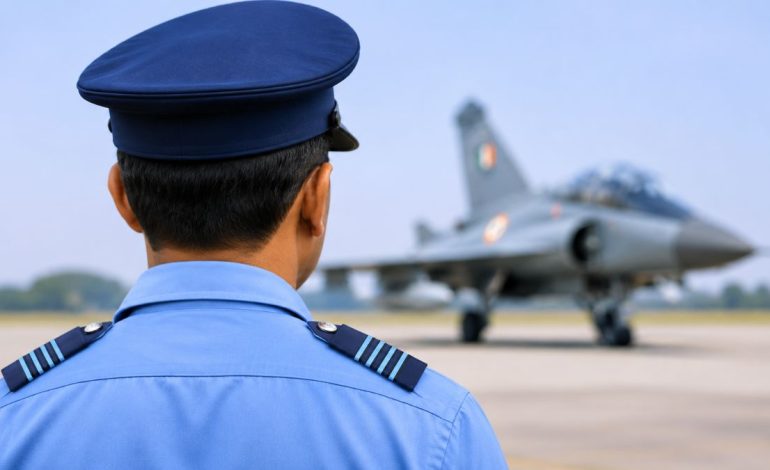
(RNA Media illustration for representation.)

New Delhi: An Indian Air Force wing commander allegedly shared classified war plans, drone capabilities and fighter aircraft deployment details with a suspected Pakistani intelligence operative. Investigators also accuse him of installing spyware on devices belonging to five subordinates, potentially exposing sensitive information beyond his own communications.
According to a Delhi Police chargesheet, details of which were reported by the Indian Express on Friday, the alleged disclosures could have compromised military assets, exposed operational vulnerabilities and threatened national security.
Police alleged that the officer communicated with the suspected operative through WhatsApp between January 12 and April 1 this year. Investigators claimed he uploaded a page from a secret war plan after receiving an explicit photograph and offered additional pages in exchange for further images.
The classified information allegedly shared included the strength and organizational structure of a sensitive drone unit, details of trials, weapon endurance and targeting capabilities, and locations earmarked for deployment during hostilities.
Police also alleged that he disclosed information concerning fighter aircraft deployments in Leh, an exercise at Rajasthan’s Mahajan field firing range and locations of sensitive military installations.
Spyware allegedly installed subordinates’ devices
The chargesheet further alleged that the suspected operative supplied malicious applications that could potentially access information stored on the officer’s devices and communications with his chain of command.
Investigators claimed the wing commander followed instructions to install spyware on devices belonging to five personnel under his command. However, it remains unclear whether the devices were successfully compromised or whether sensitive data was extracted.
Police analyzed WhatsApp records showing 3,008 text messages, 65 images, 65 reactions, 42 voice calls, four video calls and six URLs exchanged between the officer and the suspected operative. These figures represent the overall communication record, not necessarily classified exchanges.
How the case came to light
The officer reportedly came under scrutiny after being stopped and checked for carrying a smartphone into his office.
The case followed a complaint from IAF authorities. Delhi police arrested the officer on May 30 and filed the chargesheet on July 30. The IAF confirmed that he had been under surveillance before being handed over to law enforcement agencies. He was subsequently lodged in Tihar Jail.
The officer was booked under the official secrets act, 1923. Section 3 provides for imprisonment of up to 14 years for specified espionage offences involving defence or military affairs, depending on the charges proved.
The allegations highlight the risks of online manipulation and malicious software targeting military personnel. The extent of any actual security compromise remains unestablished publicly, and the case is awaiting judicial determination.