
Pakistan reopens key Iran trade crossing after weeklong halt as LPG shortages bite
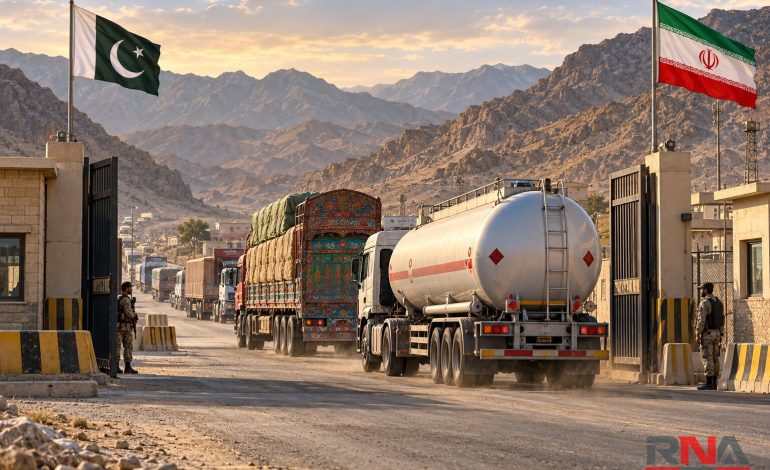
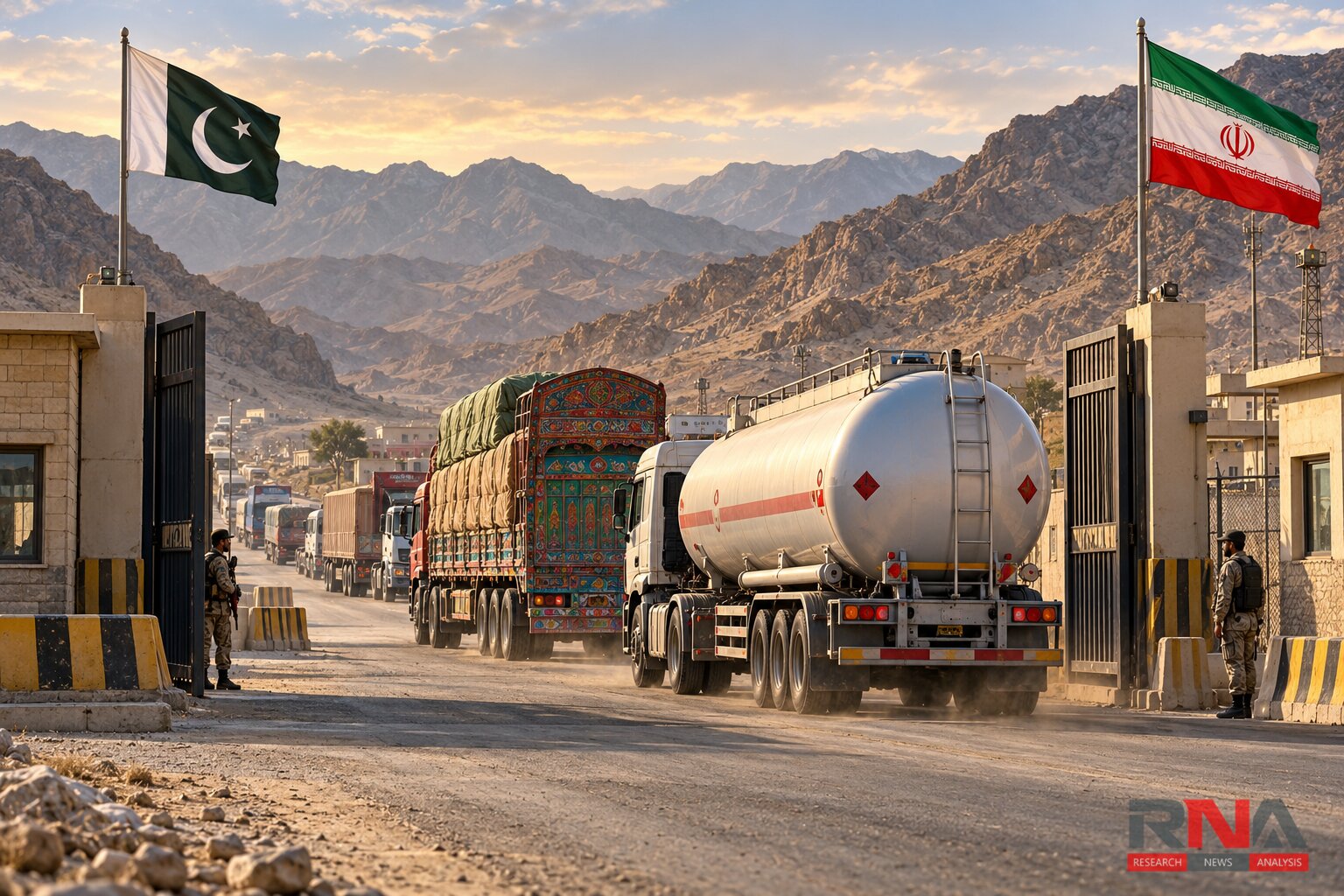
RNA Media illustration for representation.

New Delhi: Pakistan reopened the Gabd-Rimdan border crossing with Iran on Saturday, allowing stranded shipments of liquefied petroleum gas (LPG), food and other commodities to move after a week-long trade suspension. The resumption offers relief to businesses and consumers affected by disrupted supplies, although the initial clearance was restricted to consignments with documents dated October 16 or earlier.
The president of the Gwadar Chamber of Commerce and Industry, Mir Naveed Jan Kalmati, confirmed that commercial vehicles had begun moving in both directions on Saturday morning. Border officials were processing eligible import and export shipments through the crossing, also known as Gate 250, in Pakistan’s Gwadar district.
The reopening followed a security review and the deployment of additional personnel to protect commercial convoys. Two days earlier, unidentified gunmen had attacked freight vehicles waiting near the closed crossing, setting dozens of trucks on fire and damaging others, according to Pakistani media reports.
Pakistan’s commerce ministry had suspended trade through both Gabd-Rimdan and Taftan on October 17, withdrawing an earlier trade directive without specifying the reason in its memorandum. Reports confirming the restoration of traffic at Gabd-Rimdan did not establish whether commercial operations had also resumed at Taftan, leaving the status of the second major route unclear.
The two governments had offered different explanations for the disruption, as RNA Media reported during the closure. Pakistani provincial officials cited security concerns, efforts to curb smuggling and improvements to border administration, while Tehran attributed the restrictions to technical difficulties and precautionary measures.
The Iranian foreign ministry spokesman, Esmail Baghaei, had described the interruption as temporary and said officials from both countries were consulting to restore normal operations. Passenger movement through Rimdan-Gabd reportedly continued during the commercial suspension, distinguishing the trade restrictions from a complete closure of the frontier.
The interruption had become particularly costly for Pakistan’s LPG market as winter approached. Reuters reported that traders had seen the price of a 12kg cylinder rise from about 4,500 to 7,000 Pakistani rupees within days, while a former Gwadar chamber president said Gabd-Rimdan normally handled more than 4,000 tonnes of Iranian LPG daily.
The disruption also affected Pakistani agricultural exports, with rice, fruit and other perishable consignments caught in the backlog. Rice exporters had warned that switching to shipments through Iran’s Bandar Abbas port would bring substantial additional freight costs, illustrating the importance of the land route for businesses on both sides.
Kalmati said renewed supplies could help ease LPG shortages and reduce pressure on energy and food prices. That remained an expectation rather than a confirmed market response, with the immediate task being to clear eligible cargo accumulated during the suspension under the revised security arrangements.