
Netanyahu orders major West Bank military operation after Hebron attack leaves two Israeli soldiers dead
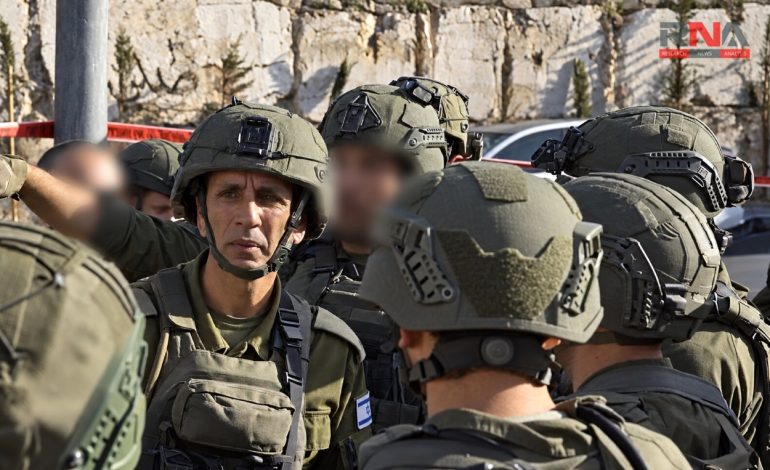
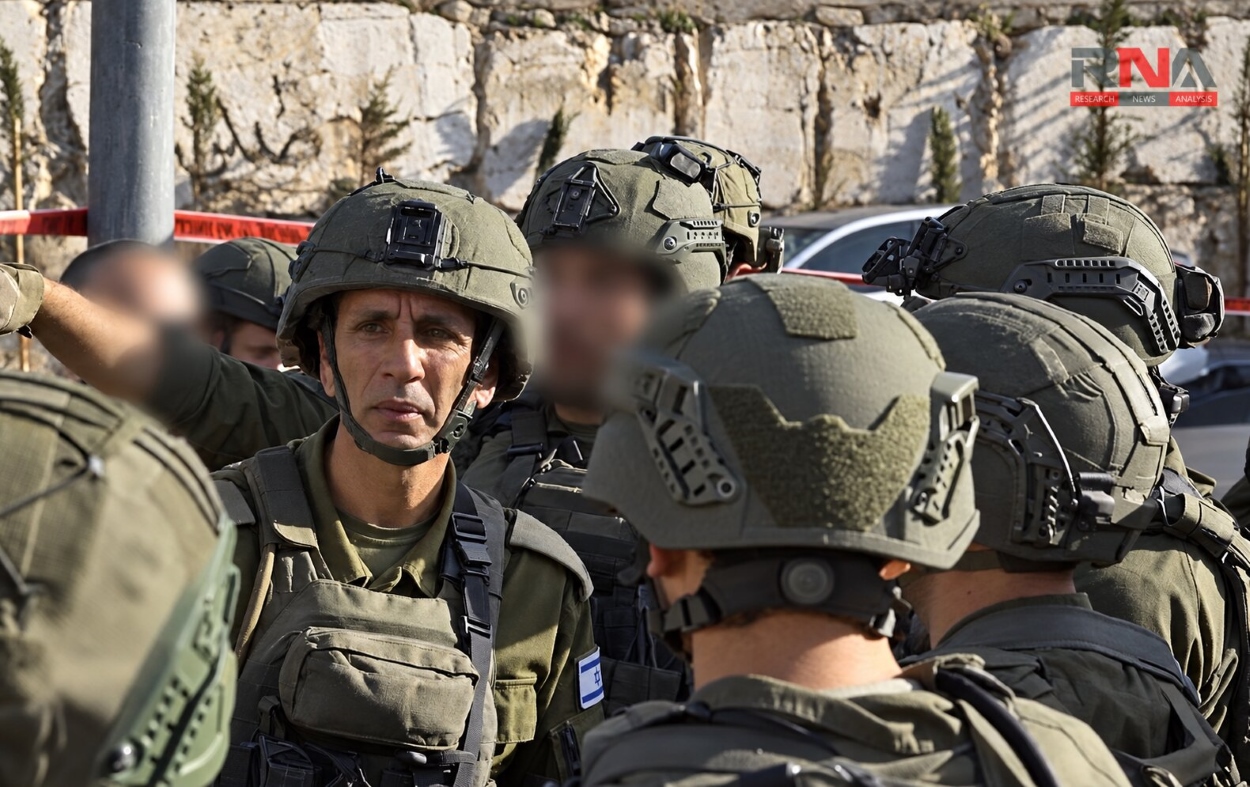
This digitally enhanced screenshot from a video posted on X shows IDF soldiers out in full force in Hebron, West Bank, Occupied Palestinian Territories.

New Delhi: The Israeli prime minister, Benjamin Netanyahu, ordered preparations for a major military operation in the occupied West Bank on Friday after Palestinian gunmen killed two Israeli soldiers near Hebron. The announcement, days before Israel’s parliamentary election, combined an immediate cordon around the city with plans for wider movement restrictions and the evacuation of residents from the attackers’ neighbourhood.
The Israeli military identified the soldiers killed as Staff Sergeant Ron Yonatan Roytman, 23, and Sergeant Yuval Shai Svilem, 20, and said three others suffered light injuries. Both Palestinian gunmen were killed in the exchange of fire near Yehuda Junction, outside Hebron, according to local Israeli media.
Israeli officials said the attackers carried an M16 rifle and a handgun, and that troops subsequently found a substantial quantity of ammunition in their vehicle. The military assessed that they had intended to carry out a larger attack against civilians, although that assessment remained part of the Israeli account of the incident.
The military and the Shin Bet domestic security agency were examining whether the gunmen belonged to a small, self-contained cell or had support from a wider network, Jerusalem Post reported. That distinction could help determine whether subsequent raids focus on their immediate associates or a broader organization.
Netanyahu’s initial response was to order Hebron sealed off and direct preparations for a closure across the West Bank, measures covered in the earlier RNA Media report on the Hebron lockdown. The cordon around the city and preparations for territory-wide restrictions were separate measures, with the latter signalling the possibility of disruption well beyond the shooting’s immediate vicinity.
During a subsequent visit to Hebron, Netanyahu warned that an extensive military operation was imminent and said residents would be removed from parts of the city. His announcement indicated that Israel’s response would extend beyond pursuing those directly associated with the attack to operations inside residential neighbourhoods.
According to Israeli media, Netanyahu outlined house-to-house searches and the destruction of infrastructure Israel described as serving militants. Hamas praised the shooting but stopped short of claiming responsibility, making it necessary to distinguish its endorsement from confirmed operational involvement.
The proposed campaign also drew demands for more sweeping action from Netanyahu’s coalition partners. The finance minister, Bezalel Smotrich, and the national security minister, Itamar Ben-Gvir, called for ending Palestinian Authority control, although the authority had no established connection to the attackers.
The escalation comes before Israel’s October 27 election, giving the government’s security response immediate political significance. However, the publicly reported preparations did not establish a precise timetable or the full geographical scope of the proposed operation.
Netanyahu’s reference to earlier operations in northern West Bank refugee camps raises particular concerns about displacement. Operation Iron Wall began in Jenin on January 21, 2025, before expanding to Tulkarm and Nur Shams, according to a UN human rights office report.
That report estimated that about 33,000 people from the three camps had been forcibly displaced and documented the destruction of hundreds of homes, roads and other civilian infrastructure. The experience provides a concrete indication of the civilian consequences that could follow if a comparable approach is applied to densely populated neighbourhoods in Hebron.
Hebron already operates under an unusual division established by a 1997 agreement, which placed roughly 80 per cent of the city under Palestinian Authority control while leaving the remaining area, known as H2, under Israeli control. The UN humanitarian affairs office has documented longstanding restrictions affecting Palestinians living near Israeli settlement compounds there.
Wider closures would add to an existing system of checkpoints, roadblocks and permit requirements that restricts Palestinian movement. Beyond the immediate security operation, their practical impact would depend on which routes remain accessible and whether residents can continue reaching workplaces, essential services and neighbouring communities.