Trump launches Super Intelligence Force, puts Jay Clayton in charge of US AI push
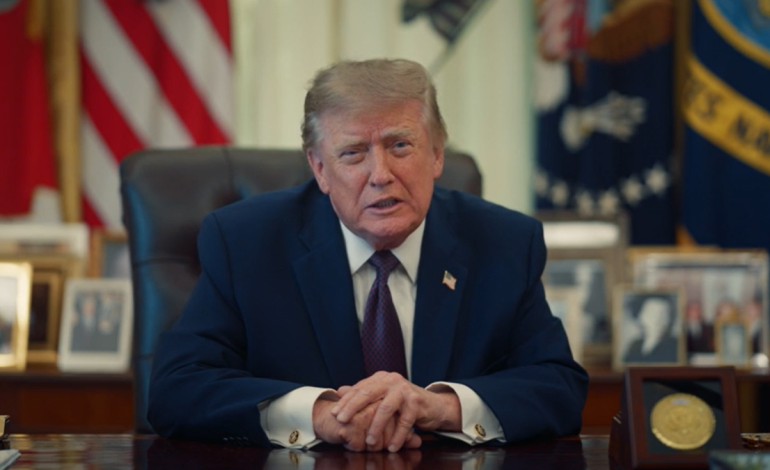
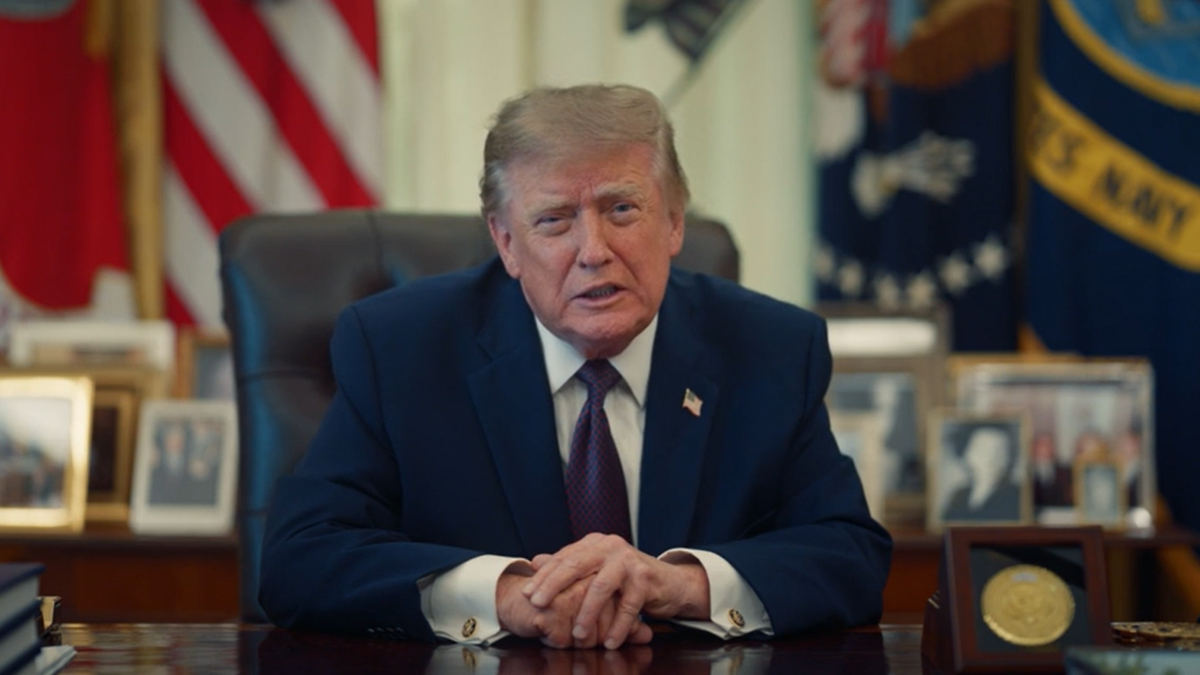
Trump launches Super Intelligence Force. (Image courtesy: Truth Social/@realDonaldTrump)

New Delhi: The United States president, Donald Trump on Sunday announced the formation of a new “Super Intelligence Force” (SIF) and named director of national intelligence, Jay Clayton, to lead the administration’s efforts on advanced artificial intelligence. The move comes after the White House Accord on super intelligence, under which major technology companies agreed to take greater responsibility for the development and safety of advanced AI systems.
“Following the historic White House Accord on super intelligence,” Trump said in a Truth Social post, announcing the creation of the SIF. He said the force would coordinate the federal government’s engagement with “consumers, public interest groups, religious organizations, critical infrastructure providers, and super intelligence companies.”
What will the Super Intelligence Force do?
Trump said the force will work to “ensure that America continues to lead the world in super intelligence” and “protect the interests, and improve the lives, of all Americans.” The panel will bring together officials from intelligence, defence, consumer regulation and federal administration to coordinate the government’s response to the rapidly developing technology.
Clayton will lead the group and oversee a 120-day review of the risks and opportunities associated with AI. According to the Wall Street Journal, the task force will also examine existing government systems for reporting AI-related breaches, hacks and other incidents and recommend ways to improve the federal response using existing authorities.
Why has Trump made the move now?
The announcement comes amid growing concern in the US over the potential dangers of increasingly powerful AI systems. Some researchers have warned that advanced AI could create severe risks, while lawmakers from both parties have called for stronger government action.
At the same time, Trump has argued that excessive regulation could hurt America’s ability to compete with China in AI. He has taken a relatively light approach to regulation and said he does not want to work with the Chinese president, Xi Jinping, on governing the technology.
Clayton has also stressed the importance of maintaining the US lead. “The risk of not being first is high,” he told the Wall Street Journal.
Who will be part of the force?
Along with Clayton, the SIF will include federal trade commission chairman, Andrew Ferguson, the Pentagon chief technology officer, Emil Michael, and office of personnel management director, Scott Kupor. Trump said the force will report to him and White House chief of staff, Susie Wiles.
The appointment gives Clayton a broader role in shaping the administration’s approach to AI after he became director of national intelligence in August. It is also the second time Trump has appointed an adviser to coordinate AI-related decisions across his administration, following venture capitalist David Sacks’ role earlier in his second term.
What happens next?
The 120-day review will provide the administration with an assessment of AI-related risks, opportunities and existing federal capabilities. Its recommendations are expected to help determine how the US government should respond to incidents involving advanced AI and where additional federal action may be required. Trump’s latest move places advanced AI at the intersection of national security, technology policy and government oversight, while leaving the administration’s existing emphasis on rapid US technological