


Judge halts Trump’s White House ban on CNN, MS NOW and Politico
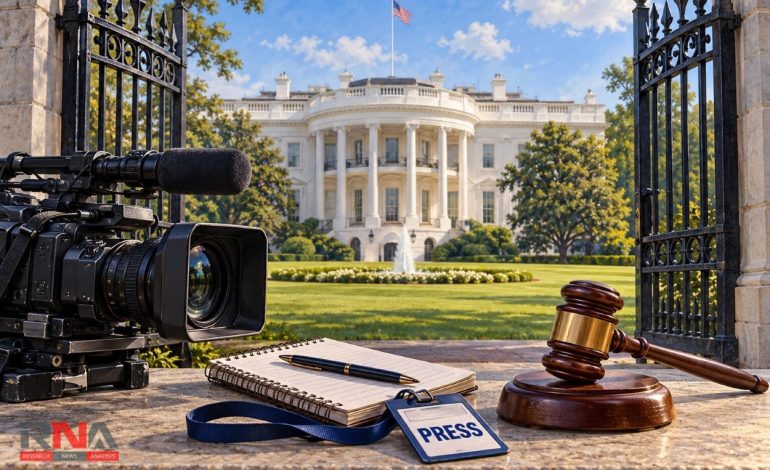
RNA Media illustration for representation.

New Delhi: A federal judge has temporarily blocked the Trump administration from barring CNN, MS NOW and Politico from the White House, ruling in the early hours of Thursday (Eastern Time 1.44am/IST 11.14am IST) that the ban most likely violated the outlets’ constitutional right to due process. The order requires the White House to immediately restore the press credentials of journalists from all three organizations.
The ruling came from the federal judge, Timothy Kelly, of the US court for District of Columbia (DC). Kelly found that the news organizations were likely to succeed in showing they had been denied a fair hearing before their access was revoked. That distinction matters because the immediate ruling concerns the procedures used to remove access, while the lawsuit also challenges the ban as retaliation against speech protected by the First Amendment.
Therefore, Kelly rejected a request from the US justice department to delay the order by at least two days.
The dispute began on September 18, when Trump announced the ban in a post on his Truth Social platform, accusing the outlets of what he called “constant reporting FAKE NEWS”. Two days earlier, the president had told reporters he was tired of what he described as two years of unfair and negative coverage, and that he was under no obligation to let critical journalists into what he termed “the people’s house”.
The fallout was felt quickly on the ground. MS NOW’s Akayla Gardner, CNN’s Betsy Klein and Politico’s Cheyenne Haslett were all turned away from the White House grounds on September 20, with Klein and Haslett having their press credentials, known as hard passes, confiscated at the gate.
As RNA Media had reported, CNN, MS NOW and Politico responded by filing a joint lawsuit, arguing the ban breached both the US constitution’s First Amendment’s guarantee of press freedom and the Fifth Amendment’s due process protections. Their lawyers described the move as a direct assault on the First Amendment, intended to punish and intimidate journalists over reporting the president found unflattering.
The dispute also disrupted the White House press pool, the rotating arrangement under which one network gathers footage of the president and shares it with the rest of the press corps, including more than a thousand local television affiliates across the United States. NBC, ABC, CBS and Fox News, the other members of the rotation, declined to step in for CNN when its turn came up, effectively halting televised pool coverage of several of the president’s engagements for days.
A hearing on the outlets’ request for emergency relief was held on Wednesday before Kelly, who was nominated to the federal bench by Trump in 2017. Michael Velchik, a lawyer for the Justice Department, argued that access to the White House was “a privilege, not a right”, and that the president was entitled to act swiftly to protect national security.
The administration’s case rested partly on letters sent to the three outlets on Tuesday, alleging their reporting had trafficked in “verifiable falsehoods” about national security and had published sensitive or classified material. The letters cited stories on the construction of a new White House ballroom and its associated security complex, munitions supplies for the war with Iran, an alleged FBI leak investigation involving a journalist, and sanctions on Russia.
Kelly appeared unconvinced during the hearing, returning repeatedly to the lack of due process afforded to the journalists. In his eight-page ruling, he found the outlets had received no notice or opportunity to be heard before their passes were pulled and dismissed the administration’s stated standard of “professionalism and decorum” as too vague to justify the ban.
Ted Boutrous, the lawyer representing the three outlets, called it a strong ruling vindicating freedom of the press, due process and the rule of law, adding that his clients greatly appreciated the court’s swift action. The White House and the justice department had not responded publicly to the ruling at the time of writing.
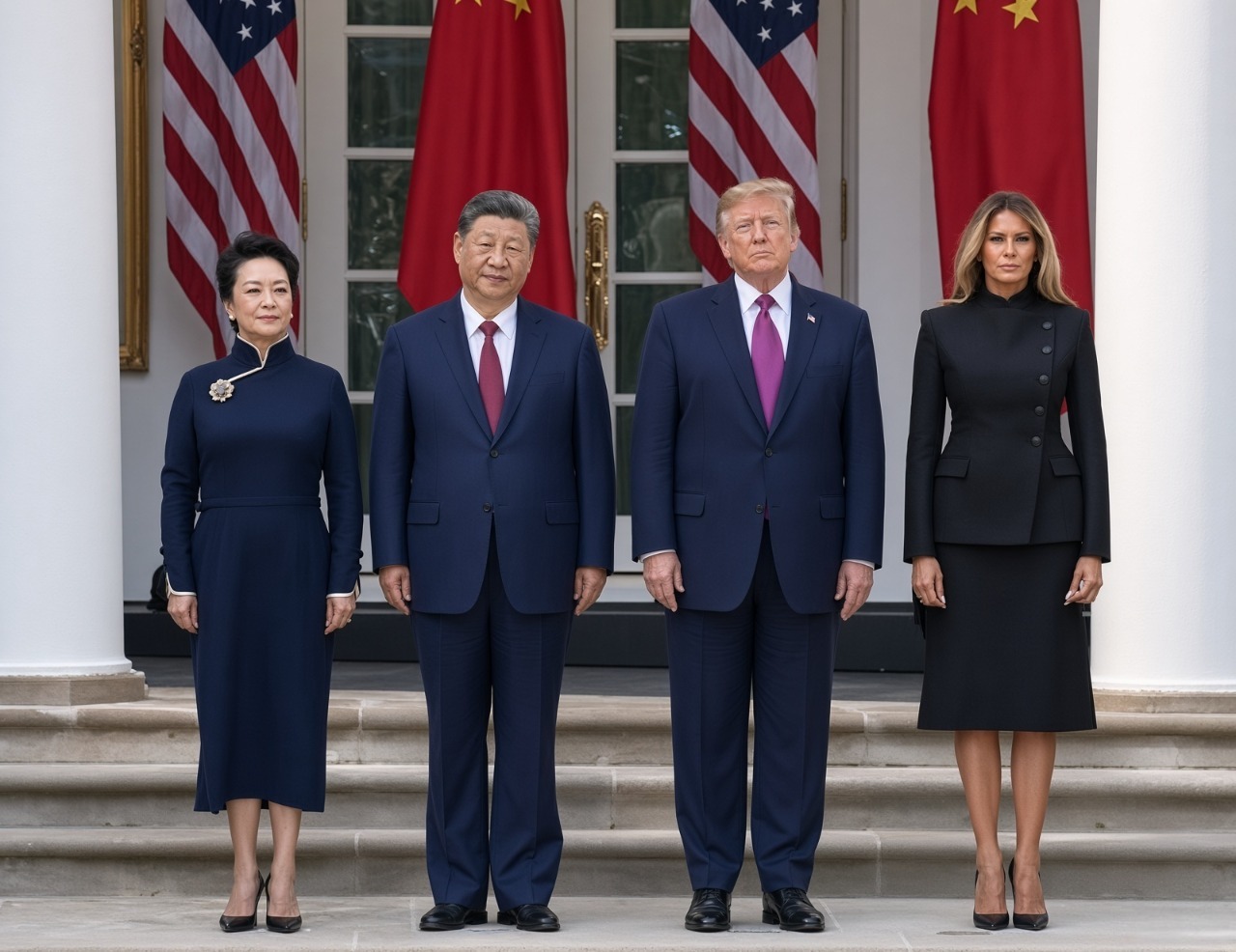
The timing carries its own significance. The order landed as the Chinese president, Xi Jinping, arrived in Washington for a high-stakes meeting with Trump, a visit that television networks had been unable to cover fully through the pool system because of the ongoing dispute.
Thursday’s decision fits a wider pattern of friction between the Trump administration and the American press over White House access. The Associated Press was earlier barred from the Oval Office and other restricted spaces after it declined to adopt the administration’s renaming of the Gulf of Mexico as the “Gulf of America”, a dispute that reached the US court of appeals at DC, which sided with the administration by a 2–1 vote. The Wall Street Journal was separately dropped from a White House pool trip amid a defamation suit Trump filed over the newspaper’s reporting on an alleged birthday letter to Jeffrey Epstein, a claim Trump has denied.
For now, CNN, MS NOW and Politico are expected to resume their normal duties inside the White House complex. Kelly’s order is a temporary measure pending further arguments, and the administration retains the option of appealing to a higher court, much as it did in the AP case.