Russia rejects ceasefire push as Ukraine, 51 nations demand talks at UN
Russia rejects ceasefire push as Ukraine. (Image courtesy: YouTube/@RUSUNPRESS)

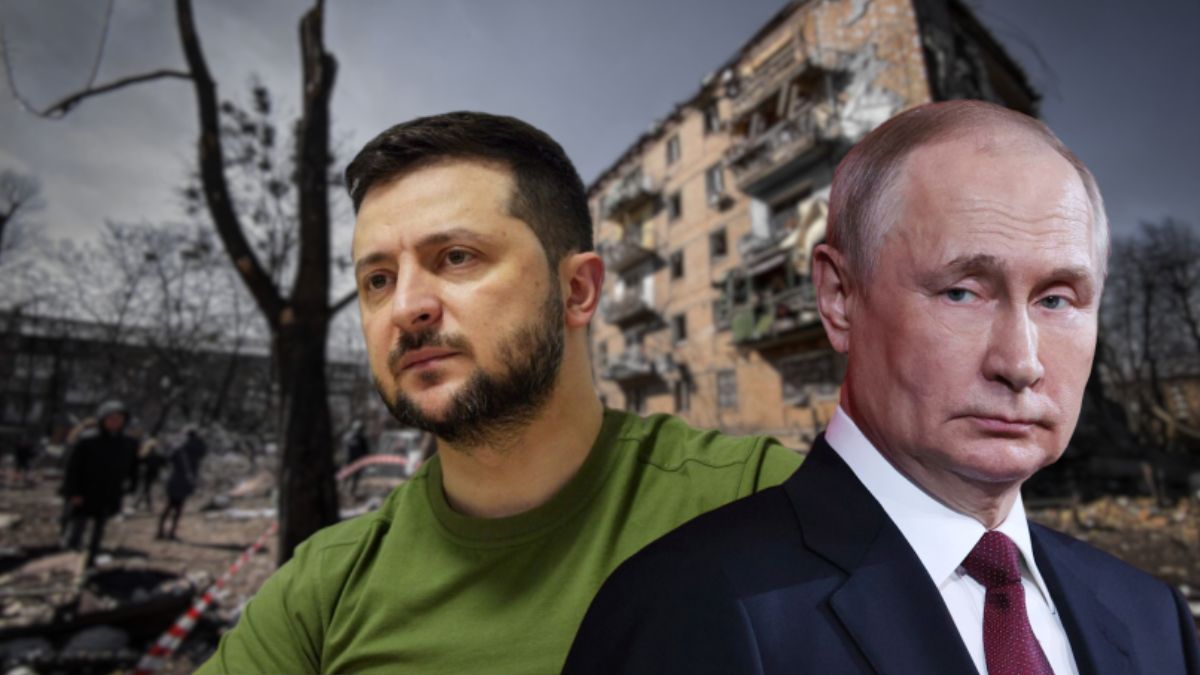
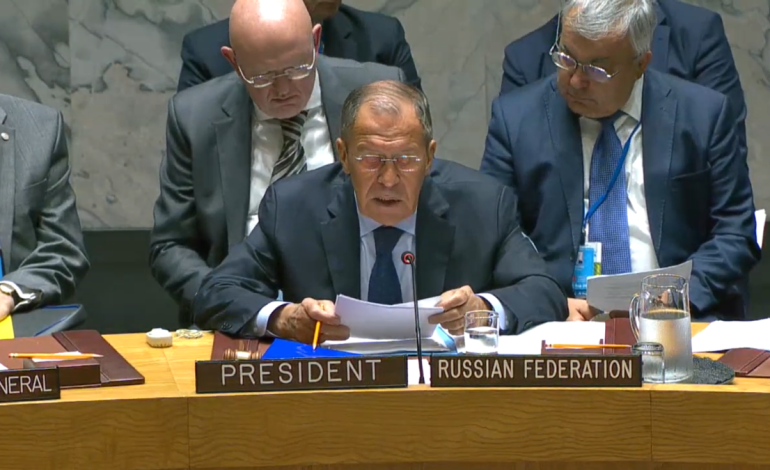
New Delhi: Russia has ruled out suspending its military operations in Ukraine while peace negotiations are underway, with Russian foreign minister, Sergey Lavrov, telling the United Nations security council that Moscow would not pause its operation during talks. His remarks came as Ukraine and dozens of countries intensified calls for an immediate ceasefire and renewed negotiations to end the war.
While addressing the security council in New York on Wednesday, Lavrov said Russia would not stop its military operation for the duration of negotiations “in any format”. He argued that Moscow had learned from previous attempts at diplomacy and would not agree to a temporary pause that could be used to strengthen Ukraine militarily.
Lavrov also blamed European countries for the course of the conflict, saying Ukraine could have retained its 1991 borders if European nations had not interfered in the developments surrounding the war. His comments reflected Moscow’s longstanding criticism of western involvement in Ukraine.
The Ukraine foreign minister, Andrii Sybiha, speaking at the same meeting, accused Russia of blocking international efforts to secure a ceasefire. He said majority members of the security council supported a ceasefire, while Russia was the only member opposing it.
The UN security council has 15 members, including five permanent members, China, France, Russia, the UK and the US. The permanent members have veto powers over substantive resolutions, allowing Russia to block council action on the war.
Sybiha also called for international attention to the humanitarian situation in Oleshky in Ukraine’s Kherson region. He urged the international community to support humanitarian corridors for civilians facing shortages of food, water and medicines in the Russian-occupied area.
The latest confrontation at the UN came as 51 countries backed a joint statement calling on Russia to agree to a full ceasefire and enter meaningful negotiations. EU foreign policy chief, Kaja Kallas, delivered the statement alongside Sybiha and the French foreign minister, Jean-Noel Barrot.
The countries also called for the protection of civilians and compliance with international humanitarian law, while supporting efforts to ensure safe navigation and commercial shipping in the Black Sea.
The diplomatic push followed separate proposals from the Ukrainian president, Volodymyr Zelenskyy, for limited measures aimed at reducing the intensity of the conflict. Zelenskyy said Ukraine was prepared to support a safe-passage arrangement for vessels in the Black Sea and had also proposed a truce covering attacks on energy infrastructure.
The Russia-Ukraine war began in February 2022, when Moscow launched a full-scale invasion of Ukraine following years of tensions over Ukraine’s relations with the west, Russia’s opposition to Kyiv’s Nato ambitions and the unresolved conflict in eastern Ukraine. Russia has cited security concerns and other reasons for its military action, while Ukraine and its western allies have described the invasion as a violation of Ukraine’s sovereignty and territorial integrity.
Multiple rounds of negotiations have since failed to produce a comprehensive settlement. The main points of dispute is control of occupied Ukrainian territory, security guaranties for Ukraine and the terms on which military operations would cease, with the two sides far apart even as international pressure builds for a ceasefire.